
Reviewed · INTRAMUROS
Manila: Walled City Intramuros Walking Tour
Intramuros is one of Manila’s fastest ways to understand how one city can be repeatedly rebuilt and reinvented. In just 3 to 3.5 hours, you move from Spanish-era landmarks to a World War II reality check, all inside the walled streets of Old Manila.
Two things I really like: the way Fort Santiago connects the city’s colonial origins to Rizal’s final days, and the stop at San Agustin Church, a UNESCO World Heritage Baroque site you can actually look at and not just point at.
One consideration: this is a 5,000-step walk on cobblestones and uneven ground, and churches require modest dress. If you hate walking, or you are worried about mobility or breathing, plan carefully.
Key highlights you should actually care about
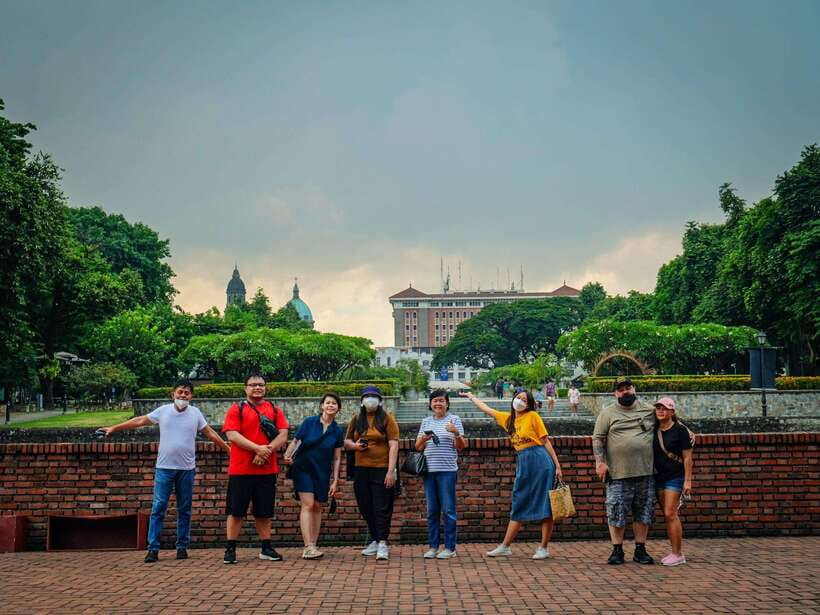
- Fort Santiago gets story-first treatment, with views near the river and clear context for why this place mattered
- Jose Rizal shrine time is built in, including a photo stop, not just a quick pass-through
- World War II gets real at Memorare Manila 1945, so you leave understanding what happened in 1945
- UNESCO San Agustin Church is timed for photos and a short visit, so you get impact without rushing
- Casa Manila Museum turns history into daily life, with a recreated 19th-century home
- You get a traditional ride through Intramuros streets, via a kalesa or tranvia option
Intramuros in half a day: why this walk works

Intramuros is compact, but it is not simple. Spanish walls, a national hero’s story, a major 20th-century tragedy, and living quarters from the 1800s all sit within an easy walking radius. The best part of this tour is the pace, relaxed enough to look around, structured enough that nothing important gets skipped.
I like that you are not just collecting photo stops. You are getting the “how did we get here” thread as you go, from colonial Manila to the Battle of Manila in 1945. That makes the city feel less like a checklist and more like one connected story.
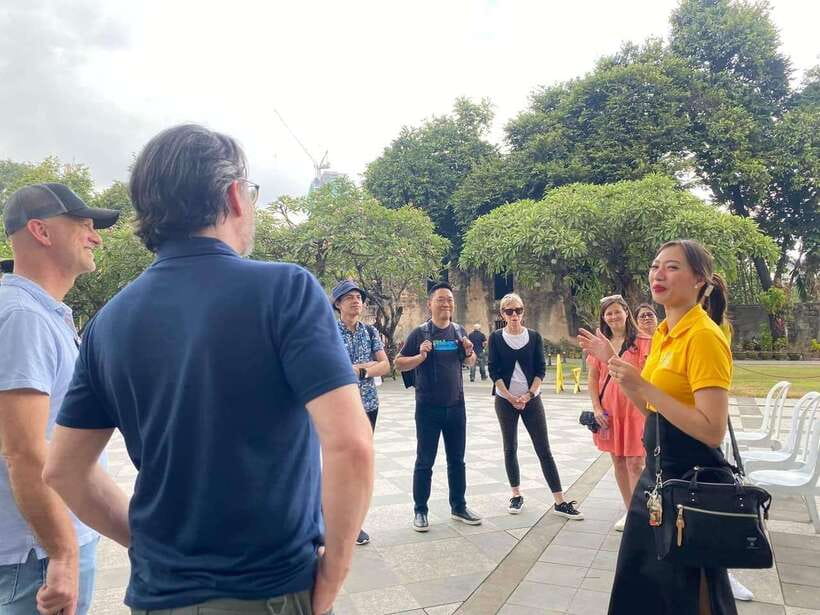
Also, the guides here seem to be a big deal. Recent tours highlight Andre (spelled Andre or Andrei in different reviews) for English that is easy to follow and explanations that stay organized. In other words, you do not have to be a history nerd to get it.
More City Tours in Manila
- Manila: Old & New 4-Hour City Tour
★ 4.5 · 458 reviews - Full-Day Manila City, Tagaytay Taal Volcano and Lake Tour
★ 4.3 · 139 reviews - Manila Ninoy Aquino Airport (MNL) Private Transfer to Manila City
★ 4.5 · 128 reviews
Price and value: what $31 buys you in real time
At $31 per person, this is not a budget bargain in the sense of being “cheap,” but it is good value for what you get in a short window. You are paying for a live English-speaking guide plus paid entry where it matters most: Fort Santiago, the Jose Rizal shrine, and the Casa Manila Museum.
On top of that, you get refreshments and a kalesa or tranvia ride inside Intramuros. That combination matters because Intramuros can be deceptively tiring. Having the guide handle the transitions, and including entry fees, keeps your time from getting eaten up by figuring out logistics.
One practical note: the experience mentions that entrance fees may apply at certain sites and could be payable on the day. The major museum and listed shrine entries are included, but if a church or attraction requires a separate ticket for entry at the time you visit, you may need to cover it.
Starting point and pacing: Fort Santiago first, Casa Manila last
Your tour starts at Fort Santiago, and the ending point is Casa Manila. That end point is handy if you plan to keep exploring nearby afterward, because you are finishing where you can transition into a museum-style pace instead of rushing out immediately.
The meeting point can vary depending on the option booked. One provided option includes HXVC+8F5, United Philippine Lines. Either way, you should assume you will be walking in Intramuros almost right away, so do not plan a long breakfast delay.
Timing is straightforward: about 1 hour at Fort Santiago, then shorter but meaningful stops across the core of Intramuros, finishing with 30 minutes at Casa Manila. This is the kind of schedule where you can absorb a lot without feeling like you are racing, as long as you wear comfortable shoes.
Fort Santiago: where the walls start telling their story

Fort Santiago is a strong opening because it sets the tone. You get a guided exploration of the historic grounds and time for sightseeing and walking, plus chances to take in views by the river.
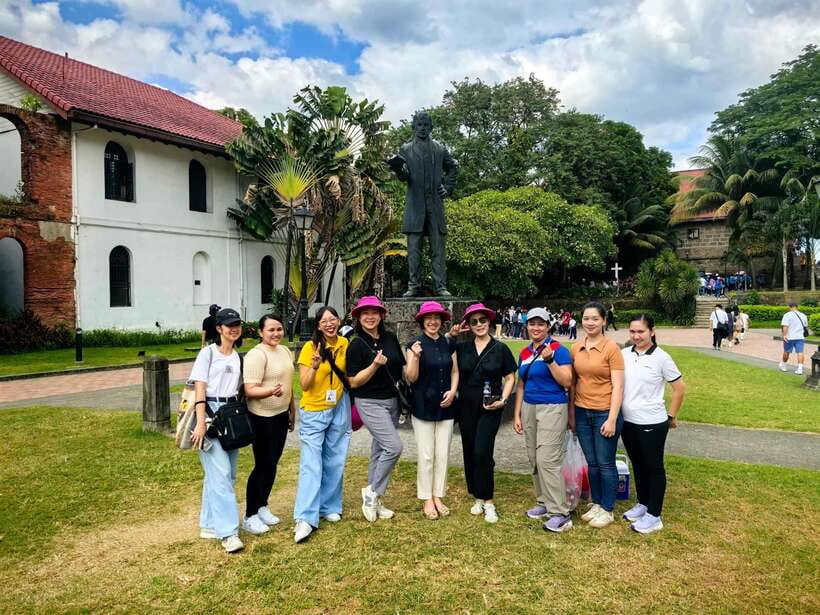
This is also where the tour anchors into a more personal narrative. You visit the Jose Rizal shrine at Fort Santiago, with a guided component and a photo stop. The focus here is on Rizal’s final days, presented in a thoughtful, easy-to-follow way.
Why I like this structure: it prevents the tour from feeling like disconnected landmarks. Instead, you understand the significance of the place before you move outward into the broader Intramuros streets.
Practical tip: keep your phone or camera accessible, because you will want pictures during the photo stop at the Rizal area. (Also note, the tour rules say professional cameras are not allowed, so a standard phone or compact camera is what makes sense.)
More Walking Tours in Manila
- Manila: Street Food and Drinks Walking Tour with Tastings
★ 4.8 · 114 reviews - Manila: Sightseeing and Food Walking Tour with Tastings
★ 4.7 · 68 reviews - Manila: Intramuros Walking Tour.
★ 4.9 · 63 reviews - Intramuros Walking Tour with Transportation by Don’t Skip Manila
★ 5.0 · 46 reviews
Manila Cathedral area stops: beauty plus context
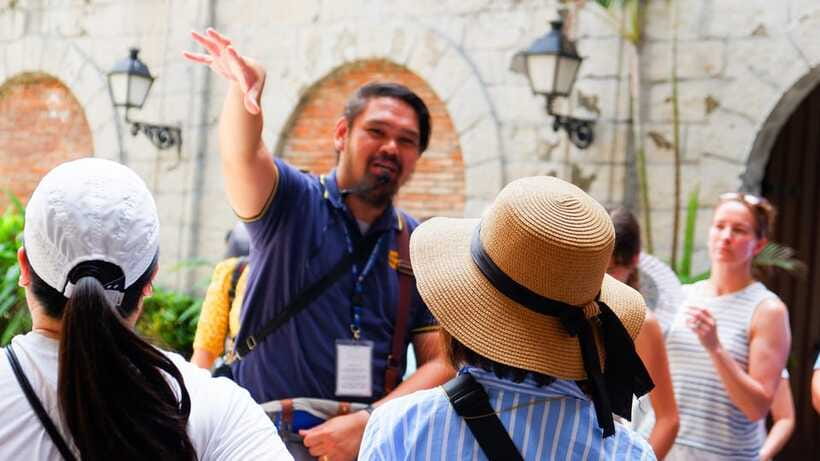
After Fort Santiago, you head toward Manila Cathedral, with about 20 minutes that includes guided time and some free time. Even with limited minutes, this part can feel memorable because you are still inside the walled city’s emotional center.
You are also meant to notice the rhythm of Old Manila as the walking continues, not just the big-ticket attractions. The tour includes stops that connect to Plaza Roma and the cathedral area, so you get a sense of the city’s layout and civic importance.
One thing to keep in mind is that church visits come with a modest dress code. If you show up in sleeveless tops or short shorts, you may have trouble entering. Bring clothes that cover appropriately so you do not waste time scrambling at the last minute.
Memorare Manila 1945: a required reality check
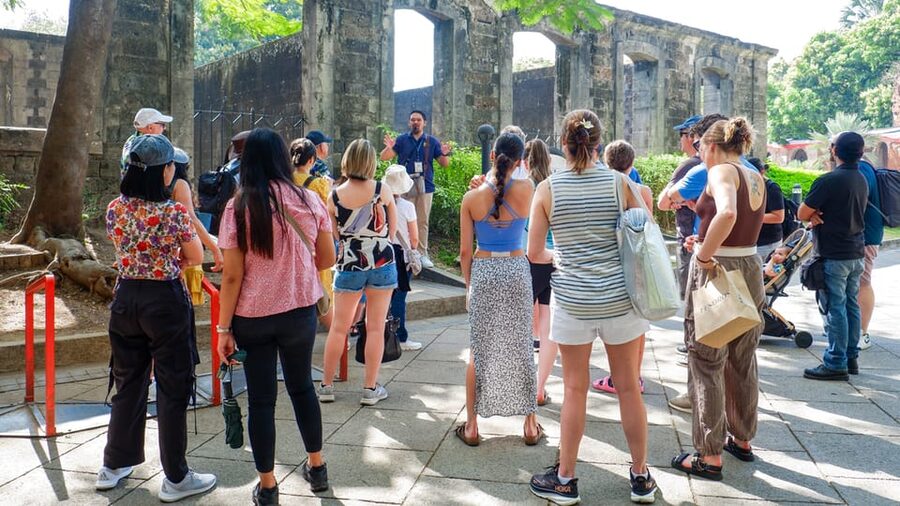
The tour does not shy away from the World War II story. You visit Memorare Manila 1945, with a guided segment and time for sightseeing and walking.
This stop is important because it explains how the city endured during the Battle of Manila in 1945 and what rebuilding looked like afterward. It turns Intramuros from a pretty, historic backdrop into something heavier and more human.
If you are someone who likes history that sticks, this is where your understanding sharpens. It also helps explain why the city’s landmarks feel like layers, not a single moment in time.
How to handle it emotionally: if you prefer light and fluffy travel, this may feel intense. If you are okay with serious history, this stop is one of the main reasons to choose a guided experience rather than wandering alone.
San Agustin Church: UNESCO Baroque, short and powerful

Next comes San Agustin Church, visited for a photo stop and a short visit with guided information. This is a UNESCO World Heritage Baroque Church, and the tour keeps your time here focused.
You will not linger for an hour, but you also will not feel herded. The goal is to let the architecture register while staying on schedule for the rest of the walk.
I like this timing because you get the visual impact without pushing you into an all-day church marathon. You can take a few key photos and still have the energy to enjoy what comes after.
The kalesa or tranvia ride: a slower pace inside the walls
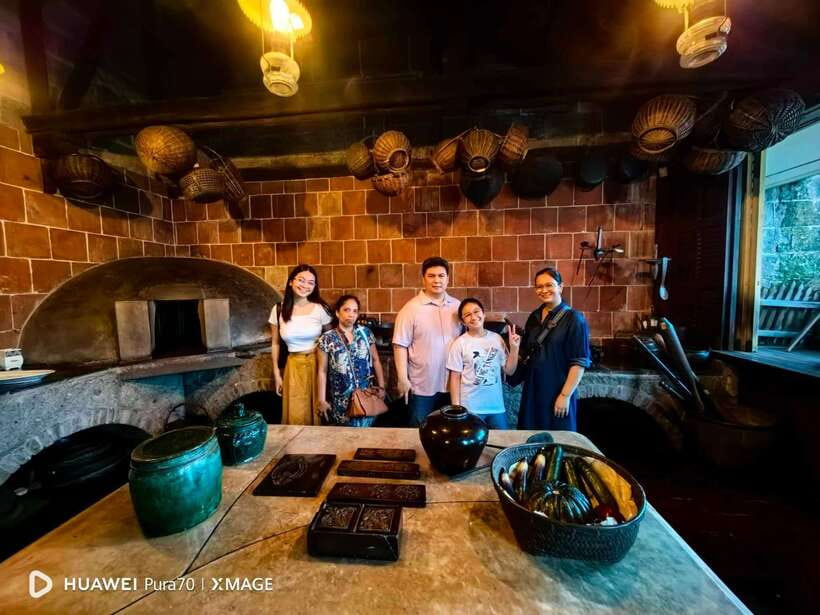
Sandwiched into the walk is an about 20-minute ride via kalesa or tranvia (horse-drawn carriage or a tram-style option).
This matters more than you might think. After cobblestones and uneven paths, the ride gives your legs a reset and helps you see Intramuros as an inhabited space, not just a museum corridor.
It also breaks up the schedule so the tour never feels like nonstop walking. For a 3 to 3.5 hour experience, that pacing balance is a big part of why it works.
Casa Manila Museum: step into 19th-century daily life
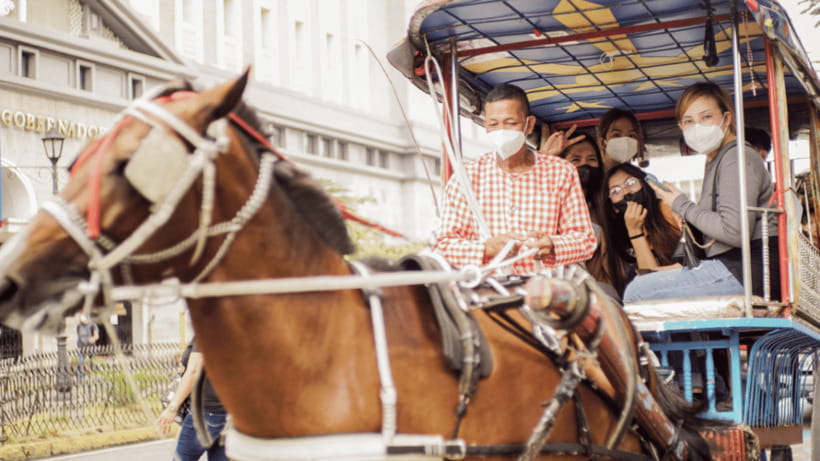
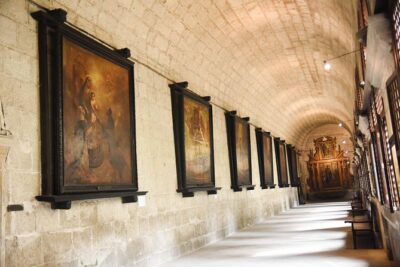
The tour finishes at Casa Manila, where you spend about 30 minutes inside the Casa Manila Museum. This stop is a recreated 19th-century home, designed to show what family life and everyday routines in Spanish colonial times looked like.
This is a great choice for people who want history that you can picture. Instead of only hearing about political events, you also get a sense of how spaces were used and how ordinary days might have unfolded.
If you have limited time in Manila, ending here is smart. You leave with a final impression that is practical and sensory, not just a list of dates.
What to bring (and what could trip you up)
You are covering about 5,000 steps on cobblestone streets and uneven surfaces, so comfort is not optional. Bring comfortable shoes and comfortable clothes. Plan for warm weather and sudden changes, since the tour runs rain or shine.
For weather, you might want water and sun protection, or a small umbrella if the forecast looks shaky. The tour notes that it is suitable for most fitness levels, but it may not be ideal if you have limited mobility.
Dress code matters for churches and selected sites. Avoid sleeveless tops, short shorts, or anything too revealing. If you do not follow the modest requirement, you could lose access to parts of the experience.
Rules also include no pets, no smoking, and no professional cameras. You should also avoid making noise during the tour and skip alcohol and drugs.
Who should book, and who should consider alternatives
This is a good match if you want a structured way to see Intramuros without getting stuck trying to coordinate everything on your own. It is also a strong choice if you like guided storytelling that connects sites into one timeline, from Spanish-era roots to the 1945 battle and rebuilding.
Recent experiences also show mixed groups and a friendly vibe. One review described a group that was small, with locals and foreigners together, and the guide handled it smoothly.
This tour is not suitable for wheelchair users, and it may not fit people with respiratory issues or people with visual impairments. The rules also mention it is not for people over 95 years. If any of those apply, consider a different kind of tour with less walking and easier access.
Should you book this Intramuros walking tour?
Yes, if you want Old Manila in a compact time window and you care about context. For $31, you get guided entry to key sites like Fort Santiago, the Rizal shrine, and Casa Manila, plus the ride option and refreshments. That combination is efficient, and it helps you understand what you are seeing.
You should think twice if walking 5,000 steps on uneven cobblestones sounds miserable. If you have mobility or breathing concerns, or you hate church dress rules, you may feel frustrated.
My final take: this is the kind of guided tour that makes Intramuros feel like more than a postcard. If you show up with good shoes and modest attire, you will walk out with a clearer sense of how Manila’s past shaped the city you’re standing in.
FAQ
How long is the Intramuros walking tour?
The tour lasts about 3 to 3.5 hours.
Is the tour guided in English?
Yes. The tour has a live tour guide speaking English.
What does the tour include besides walking?
You will visit Fort Santiago, the Jose Rizal shrine area, Manila Cathedral area, a ride through Intramuros by kalesa or tranvia, Memorare Manila 1945, San Agustin Church, and the Casa Manila Museum. Refreshments are included as well.
Are entrance tickets included?
Fort Santiago entry, Jose Rizal shrine entry, and Casa Manila Museum entry are included. The tour also notes that entrance fees may apply at certain sites and could be payable on the day.
What should I wear or bring?
Wear comfortable shoes and comfortable clothes. Bring sun protection, water, or a small umbrella since the tour runs rain or shine. You should dress modestly for churches and selected sites.
Is there free cancellation and can I pay later?
Yes. Free cancellation is available up to 24 hours in advance for a full refund, and there is a reserve now and pay later option where you do not pay today.
More of Intramuros
- Intramuros, Manila: Historical Bamboo Bike Tour
★ 4.8 · 583 reviews - Experience Intramuros with Bamboo Bicycle – Ecotours
★ 5.0 · 508 reviews - Manila: Intramuros, Chinatown, and Old Manila Half-Day Tour
★ 4.8 · 475 reviews - Manila: Guided Sunset Bamboo Bike Tour in Intramuros
★ 4.8 · 119 reviews
Newest reviews around Manila
- TAGAYTAY DAY TOUR FROM MANILA★ 5.0 · 3 reviews
- 3 Days Private Tour in Banaue Ifugao visiting Batad Rice Terraces★ 3.5 · 3 reviews
- 4 Day Banaue Ifugao Rice Villages Private tour Trekking★ 4.5 · 3 reviews
- Bites and Sights: Tagaytay Food and Nature Excursion from Manila★ 4.0 · 3 reviews
- Embark on a 7-Day Banaue-Sagada Adventure of a Lifetime★ 5.0 · 3 reviews
- Philippines Intro 3 days 2 nights Tour Best of Manila and Beyond★ 5.0 · 3 reviews
- Following the Footsteps of Anthony Bourdain★ 5.0 · 3 reviews
- Tagaytay: Taal Volcano Tagaytay Private Tour w/Jeepney Ride★ 5.0 · 3 reviews
Intramuros, compared.
Intramuros, Manila: Historical Bamboo Bike Tour
Read our review →
Experience Intramuros with Bamboo Bicycle – Ecotours
Read our review →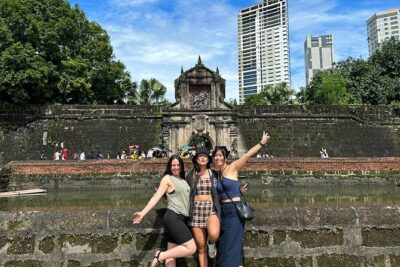
Intramuros, Chinatown, and Old Manila Half-Day Tour
Read our review →
Manila Old and New: Sightseeing Tour Including Intramuros and Fort Santiago
Read our review →

Explore Intramuros: Introduction to Philippine History
Read our review →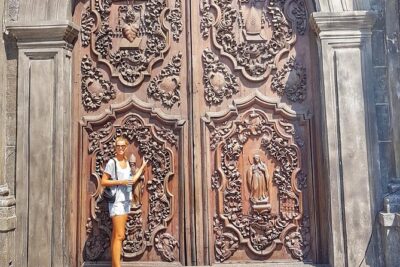
Experience Manila’s Heritage: Intramuros & More in Half a Day!
Read our review →Browse the lists this tour appears in