
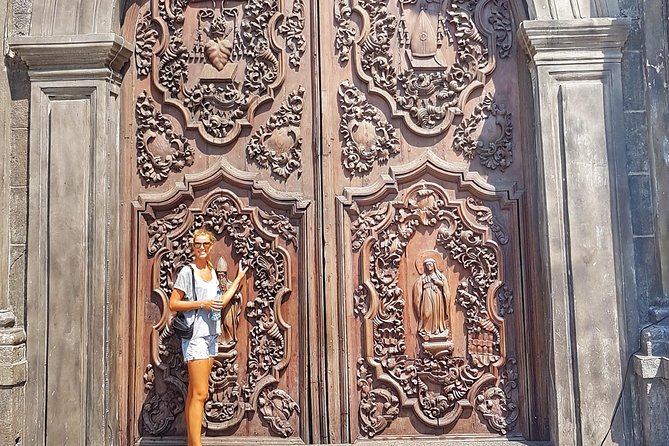
Reviewed · INTRAMUROS
Experience Manila’s Heritage: Intramuros & More in Half a Day!
Manila can feel like a traffic puzzle. That is why a guided half-day loop through Intramuros and a few major heritage stops makes so much sense. You get a clear story line, not random wandering.
I especially like the mix of places: Paco Park gives you a calm break, then the walled city and big churches bring the drama. A second plus is the human touch, with guides like Jace and Marco praised for being patient, kind, and full of story details.
The only real drawback to consider is the pace. You have roughly 3 to 4 hours, so you will move fairly quickly between sites, and Manila traffic can quietly steal minutes.
Key highlights that make this tour a smart half-day plan
- Door-to-door pickup from Makati, Taguig, Ermita, Malate, and Pasay, so you skip the hunt for transport
- Guided pacing that helps you understand Intramuros without piecing it together yourself
- Paco Park first, a cemetery turned park, which cools the mood before the forts and churches
- Four major heritage stops with admission tickets included: Paco Park, Baluarte de San Diego, Manila Cathedral, Casa Manila
- Small group size, capped at 20 people, so questions stay easy
- Morning or afternoon departures so you can match your day plan
Why Intramuros and beyond fits a short Manila stay

This is the kind of tour that works when you only have a half-day and you want the “wow” parts of Manila’s past without the stress. Intramuros is compact, but the history is not. A guide helps connect the dots so you are not just looking at walls and facades.
You also get variety. Paco Park slows things down first, and that matters in Manila’s heat. Then you transition into the defensive bones of the old city with the fortification stop, and you end up at major religious and Spanish-era sites.
If you are trying to plan around limited time, this route is built for that. It is also a good choice if you want a guided overview before doing more exploring on your own later.
More Historical Tours in Manila
- Intramuros, Manila: Historical Bamboo Bike Tour
★ 4.8 · 583 reviews - Explore Intramuros: Introduction to Philippine History
★ 5.0 · 80 reviews - Tagaytay, Taal Volcano & Heritage Town: A Journey of Discovery
★ 5.0 · 29 reviews
Door-to-door pickup: saving time in Manila traffic
The best part for many people is simple: you do not have to figure out how to get there. Pickup is offered from Makati, Taguig, Ermita, Malate, and Pasay. That means less time waiting at a street corner with a confused map and more time walking.
Because the tour runs 3 to 4 hours, transit matters. Manila traffic can stretch a short day fast, so the organized round-trip helps keep your schedule sane. You can also pick a morning or afternoon tour, which is useful if you want to pair it with lunch plans or another activity.
The tour is near public transportation too, which is helpful if your hotel is close but not in one of the listed pickup zones. In practice, it gives you options if you need a slightly different meeting point.
Paco Park: a cemetery turned into a place to breathe
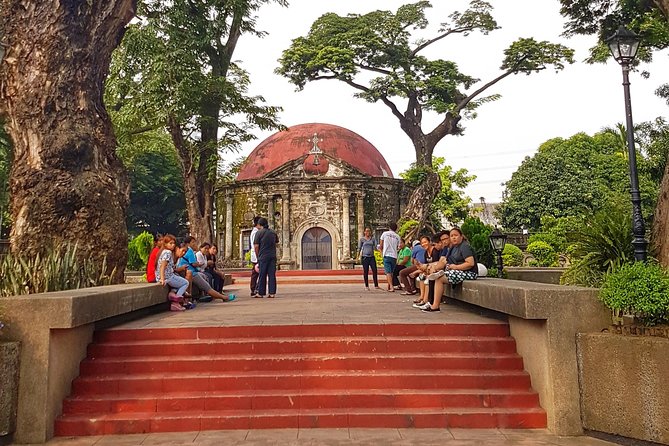
You start at Paco Park, and that choice is not random. It is listed as 15 minutes with admission included, but the value is more than ticking a box. This site is known for being a former cemetery turned into a landscaped public park, so it gives you a different emotional tone right away.
Think of it as your reset button. Before Intramuros, you get a green pause, where walking feels easier and you can catch your breath. In a half-day tour, that pacing matters, because you will be doing more standing and sightseeing later.
Photo-wise, you are in a calmer setting first. That means your camera does not immediately go from car window to blazing sun on stone walls. It is a good place to settle in and let your guide start the story.
One practical note: even though it is a park, Manila weather can still be hot. Bring water, and plan on small sips often rather than one big bottle chug at the start.
Baluarte de San Diego: the forts that make Intramuros feel real
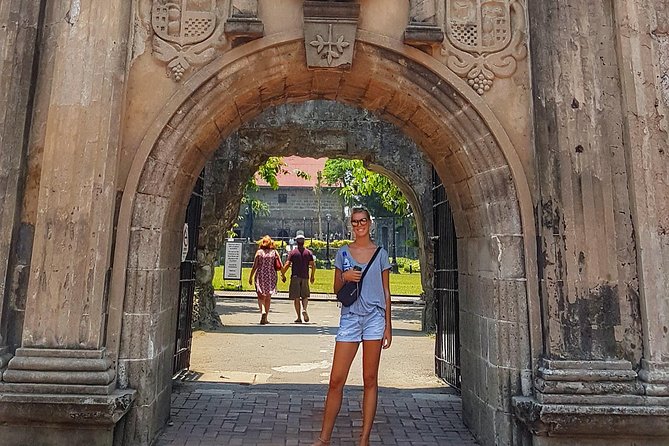
Next comes Baluarte de San Diego, a fortification inside the walled city. The stop is about 30 minutes with admission included, and it is a solid chunk of time compared with some other tour formats. That extra time helps you actually see how the fort fits the walls, not just pose for a quick photo.
Fortifications sound dry on paper, but this kind of stop usually turns into practical history. You begin to understand why the walled city was built the way it was, and how defense shaped daily life.
This is also a spot where questions work well. When you are standing near the structures, it is easier to ask what you are seeing. Many visitors love tours where the guide answers calmly, and this one has a good track record with that kind of approach.
If you are the type who likes architecture, this is your moment. If you are not, it still helps you appreciate why Intramuros feels different from the rest of modern Manila.
More of Intramuros:
- Experience Intramuros with Bamboo Bicycle – Ecotours
★ 5.0 · 508 reviews - Manila: Intramuros, Chinatown, and Old Manila Half-Day Tour
★ 4.8 · 475 reviews - Manila: Guided Sunset Bamboo Bike Tour in Intramuros
★ 4.8 · 119 reviews - Manila by Night: Discovering City Highlights with Intramuros
★ 4.5 · 70 reviews
Manila Cathedral: big church energy in a short, guided visit
Then you move to Manila Cathedral, listed at 15 minutes with admission included. This is one of those places that looks important even if you know nothing beforehand, which is exactly why a guided stop helps.
A quick visit can feel too short for travelers who want to linger. That said, in a half-day plan, the time makes sense. You are there long enough to appreciate the scale and to understand what makes it central to Manila’s story.
This stop is also a good contrast. You started with a reflective park, shifted into fortifications, and now you are in a major religious centerpiece. That rhythm keeps you from getting stuck in one “mode” all day.
If your goal is maximum seeing, this is the stop that delivers. If your goal is calm and long contemplation, you might want to return later on your own for extra time.
Casa Manila: walking through Spanish-era daily life
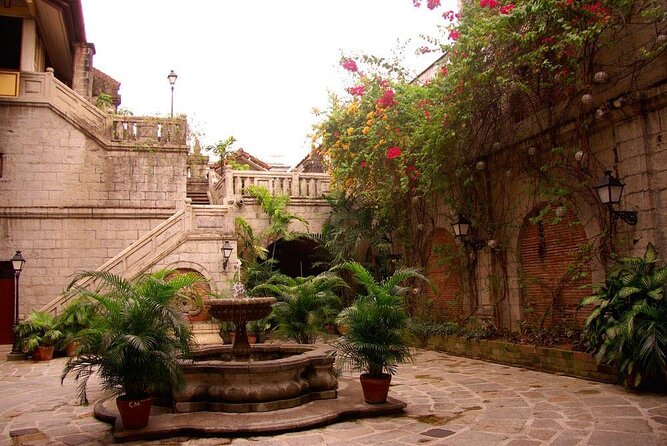
Your final heritage stop on the core list is Casa Manila, described as a living museum with Spanish colonial influence. The stop is 15 minutes with admission included, and the “living museum” label matters. It is not just an exterior. You get a sense of how people might have lived during the Spanish colonial period.
In 15 minutes, you are not going to read everything, but you do get enough to grasp the contrasts between Spanish-era design and what you see around you today. That is the point of a short guided tour, you leave with a clear mental model.
This stop also helps the tour feel more than just famous landmarks. It adds everyday context. When you later walk around Manila on your own, you will likely notice details more, like building styles and layout choices.
Timing, pacing, and what you will actually do in 3 to 4 hours
On paper, the itinerary is four core stops, each with a short time window. In reality, the tour lives and dies by timing between them, especially with pickup and Manila traffic.
You can expect a structured flow:
- A quick start at Paco Park
- A longer, more architectural stop at Baluarte de San Diego
- Short but meaningful stops at Manila Cathedral and Casa Manila
Because the total time is only 3 to 4 hours, you should go in with a mindset of “overview plus context,” not “slow museum day.” If you want deep, lingering time at every site, you will probably need a second visit later.
The good news is that many people praise the length as just right, with enough time at each location. Guides are also reported to keep the tour moving at a pace where you are not rushed, but you are also not stuck waiting around.
If you have mobility needs, this is where communication matters. Some groups report the guide tailored the trip to their needs, so if you have limitations, mention them early so the route can be adjusted as best as possible.
Guides and group size: up to 20, with real attention
The tour caps at 20 travelers, which is a sweet spot for a guided walking-and-stop experience. Small enough for questions, large enough that the day still feels organized and social.
The guides are a major part of the value. Names like Jace, Marco, Carlos, Zee, and Rona show up in the praise, often for being kind, patient, and willing to answer questions. That is not a small thing, it is the difference between a tour where you memorize dates and one where you understand what you are seeing.
A few write-ups also highlight the communication before the tour and the way guides and drivers coordinate around stops. That matters in Manila, where getting to the right place can be tricky.
If you want an experience that feels like a friend explaining what you are looking at, this tour style usually delivers. You are not on your own, but you are also not trapped in a script.
Value check: is $75 worth it for a half-day?
The price is $75.00 per person, and it is worth evaluating based on what is included, not just the headline number. Here, the main value drivers are:
- A guide for about 3 to 4 hours
- Round-trip hotel transfers in specific areas
- Admission tickets included at each of the core stops
When admission fees are included, you stop playing the “how much will this cost me later” game. In many cities, guided tours start to feel expensive when you add in entrance tickets on top. Here, the tour explicitly includes admissions for Paco Park, Baluarte de San Diego, Manila Cathedral, and Casa Manila.
You also get something that is hard to price: time saved. If you are spending your half-day figuring out transport, you lose the ability to actually enjoy the sights.
That said, one fairness note. If you are traveling on an ultra-tight budget, a private local guide or DIY route might feel cheaper. But cheaper often means more confusion, more waiting, and more “I missed the point” moments.
For many people, this tour hits a practical middle ground: guided, efficient, and structured, with enough time to feel like you did something meaningful.
Practical tips for your walk, photos, and snack time
First, plan for heat. Even with short stops, you will be outside. I recommend bringing water and taking advantage of small shade breaks when you can.
Second, do not overpack your expectations. You will see four headline heritage sites, but the whole point is an introduction. If you fall in love with Intramuros, you can always add extra time later in your itinerary.
Third, bring a little cash for personal extras. Even if admissions are included, you might want snacks, drinks, or small souvenirs near the sites. That is especially true if you end up hungry after the walking and photos.
Fourth, if you are sensitive to crowds or prefer quieter moments, consider choosing the time of day that fits your style. The tour offers morning or afternoon departures, so you can avoid the part of the day that feels worst for you.
Lastly, if you have questions, ask them early. Guides who are praised for answering questions tend to keep the conversation flowing, and you will understand more as you go.
Should you book this Intramuros heritage tour?
I would book it if you want a guided, low-stress way to see Manila’s Spanish-era core in just half a day. It is especially compelling if your hotel is in Makati, Taguig, Ermita, Malate, or Pasay, because pickup removes a big chunk of friction.
Choose it if you like your history with context, and if you value a guide who is patient and willing to explain. With a group size capped at 20, it tends to stay manageable.
Skip it or consider adding more time if you want to linger for long periods at major sites. The tour is designed for an overview, not for slow wandering all day.
If you do book, go in with one simple goal: leave with a mental map of Intramuros, why the walls matter, and how the Spanish-era influence still shows up in buildings and spaces around you.
FAQ
How long is the Intramuros and heritage tour?
The tour runs about 3 to 4 hours.
What stops are included during the tour?
You visit Paco Park, Baluarte de San Diego, Manila Cathedral, and Casa Manila.
Do you offer hotel pickup and drop-off?
Yes. Pickup and round-trip transfers are offered from Makati, Taguig, Ermita, Malate, and Pasay.
Are admission tickets included for the sites?
Yes. Admission tickets are included for each listed stop.
Is the tour dependent on weather?
Yes. The experience requires good weather. If it is canceled due to poor weather, you will be offered a different date or a full refund.
Do I receive a mobile ticket?
Yes. The tour includes a mobile ticket.
Newest reviews around Manila
- TAGAYTAY DAY TOUR FROM MANILA★ 5.0 · 3 reviews
- 3 Days Private Tour in Banaue Ifugao visiting Batad Rice Terraces★ 3.5 · 3 reviews
- 4 Day Banaue Ifugao Rice Villages Private tour Trekking★ 4.5 · 3 reviews
- Bites and Sights: Tagaytay Food and Nature Excursion from Manila★ 4.0 · 3 reviews
- Embark on a 7-Day Banaue-Sagada Adventure of a Lifetime★ 5.0 · 3 reviews
- Philippines Intro 3 days 2 nights Tour Best of Manila and Beyond★ 5.0 · 3 reviews
- Tagaytay: Taal Volcano Tagaytay Private Tour w/Jeepney Ride★ 5.0 · 3 reviews
- Following the Footsteps of Anthony Bourdain★ 5.0 · 3 reviews
Intramuros, compared.
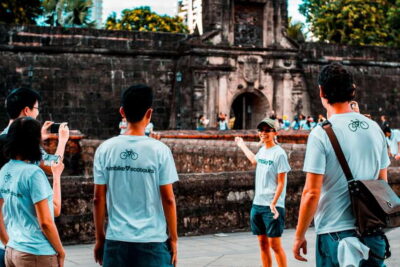
Intramuros, Manila: Historical Bamboo Bike Tour
Read our review →
Experience Intramuros with Bamboo Bicycle – Ecotours
Read our review →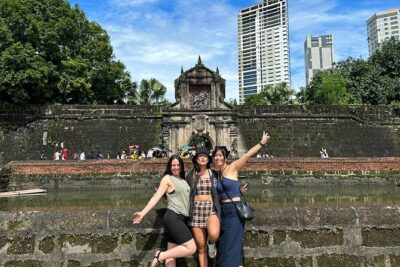
Intramuros, Chinatown, and Old Manila Half-Day Tour
Read our review →
Manila Old and New: Sightseeing Tour Including Intramuros and Fort Santiago
Read our review →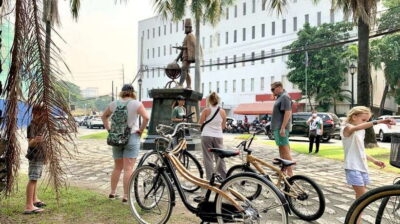

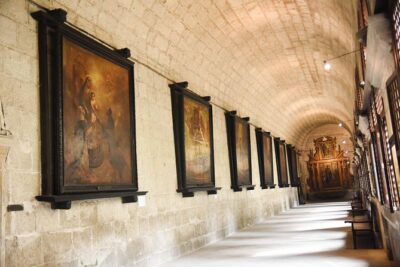
Explore Intramuros: Introduction to Philippine History
Read our review →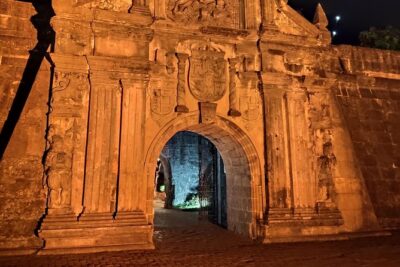
Manila by Night: Discovering City Highlights with Intramuros
Read our review →Browse the lists this tour appears in