
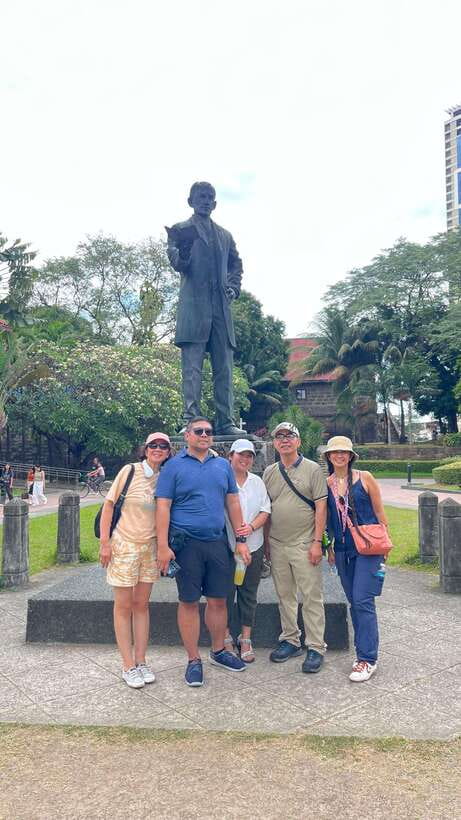
Reviewed · INTRAMUROS
Manila: Intramuros Walking Tour.
What makes the Manila Intramuros Walking Tour interesting is the way it frames the area’s story as both Spanish-era glory and hard truths, especially around the Battle of Manila and the years that followed. I like that the guide work is personal, with local perspective shared in a clear, friendly way, and that stops are packed with meaning instead of just photo ops. I also like the small-group feel, plus extra touches like a short three-wheel “Lamborghini” style paddle bike segment that keeps things lively without turning the day into a workout.
One consideration: the history themes can be emotionally heavy, and the walking plus church dress expectations mean you will want comfortable shoes and shoulders covered. Also, on Mondays, Casa Museum and San Agustine Church are closed, so the schedule may shift if you pick that day.
Key Highlights You Should Know
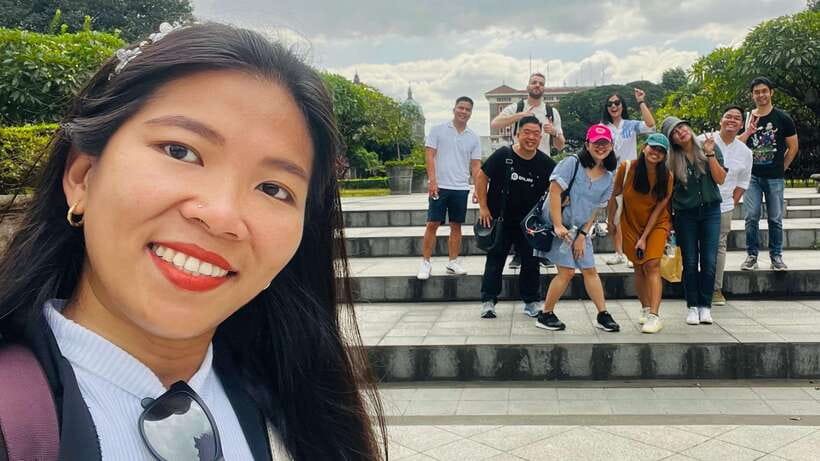
- Fort Santiago context that connects what happened inside Intramuros to Manila today
- Local storytelling in English, with guides like Mari, Tess, Tessie, and Victor earning praise for clarity and patience
- San Agustin Church visit to see the one church that survived among seven built after 1571
- Casa Manila stop that helps you picture Spanish colonial life through a replica mansion setup
- Short paddle bike fun where you do not need to paddle, someone can do it for you
- Halo halo finale option where dessert is part of the payoff after the walking
Why Intramuros Feels Like More Than a Sightseeing Loop
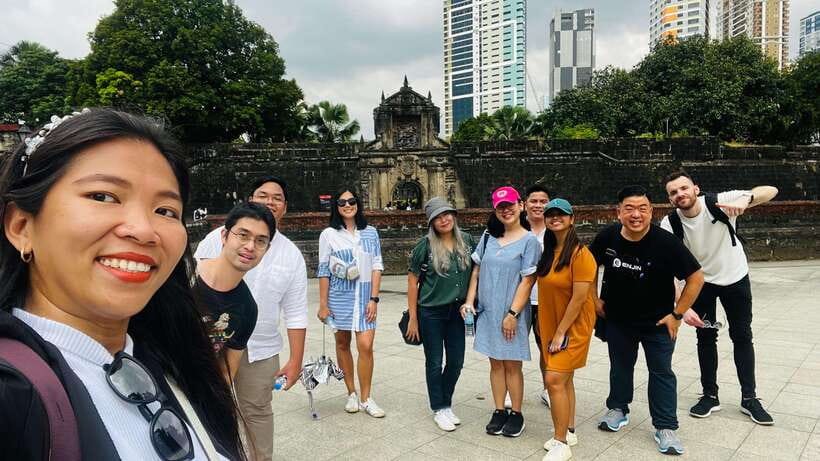
Intramuros is not just a cluster of old buildings. It is where centuries of power, religion, conflict, and everyday life layered on top of each other in a tight space. This tour leans into that reality by focusing on the greatest and darkest moments, with specific attention to what unfolded during the Battle of Manila and what came after. That matters because it changes how you see the walls, streets, and churches. You stop thinking of them as scenery and start treating them like evidence.
I also appreciate the way the tour mixes big-picture framing with concrete landmarks. You are not just getting names of places, you are learning what those places meant. When the guide explains the logic of the fort, the role of churches, and the feel of Spanish colonial design, your brain starts connecting the dots. The result is that even a short walk through the alleys feels like a guided timeline.
More Walking Tours in Manila
- Manila: Street Food and Drinks Walking Tour with Tastings
★ 4.8 · 114 reviews - Manila: Sightseeing and Food Walking Tour with Tastings
★ 4.7 · 68 reviews - Intramuros Walking Tour with Transportation by Don’t Skip Manila
★ 5.0 · 46 reviews
Meeting at Figaro Cafe and Getting Oriented (Without Losing Time)
Your starting point is Figaro Cafe at Intramuros. It is an easy anchor for a first-time visit, and it keeps you from wandering in the heat while trying to find your group. The tour is scheduled for about 2.5 to 3 hours, so arriving early is smart. The guidance is to be there 10 to 15 minutes before the start so you can begin on time.
I love that the tour format supports questions. Several guides mentioned in past experiences, including Mari and Tess, are praised for being patient, willing to repeat themselves, and helping people feel comfortable even when they are solo. That is not a small thing in a place like Intramuros, where history can feel dense and emotionally intense.
One practical detail you should plan around: this is mostly a walking day. That sounds obvious, but it affects what you wear and how you pace yourself. Comfortable clothes, sunglasses, sun hat, sunscreen, and good walking shoes are not optional. You are in Manila, and you will feel it.
Fort Santiago: Where the Fort Story Gets Real
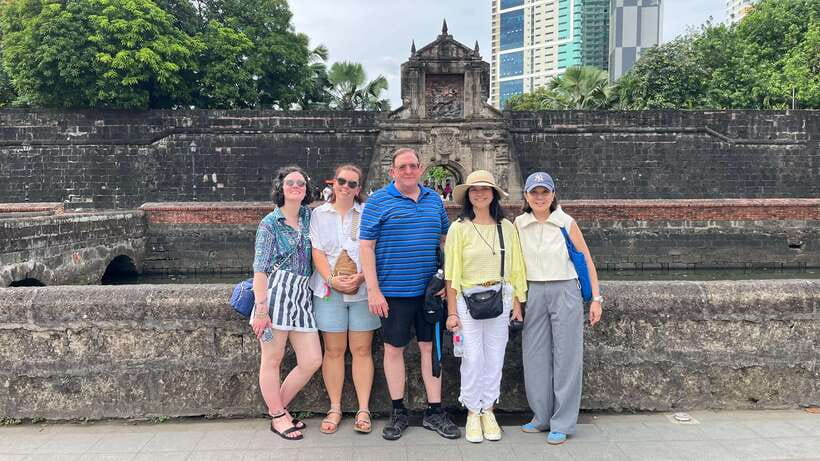
The tour centers on Fort Santiago as a key entry point into Intramuros’ long history. Forts are usually explained with architecture, but here the focus is on what the fort meant during conflict, especially around the Battle of Manila and the aftermath. That “why it mattered” angle is what makes Fort Santiago more than an impressive wall.
At this stop, you should expect context that helps you understand the scale of events that took place within the walls. You will hear how Intramuros operated as a protective and controlling space, and how battles and power shifts changed the lives of people inside. Even if you only know Manila as a modern city, the fort gives you a sharper picture of how the past shaped today’s neighborhoods and attitudes.
A small-but-useful benefit of a guided stop here: it prevents you from getting stuck in trivia mode. Left alone, it is easy to stare at stones and miss the meaning. With a live guide, you connect the physical place to the human story. That is where the tour earns its high rating.
Manila Cathedral: Faith, Power, and What Survived
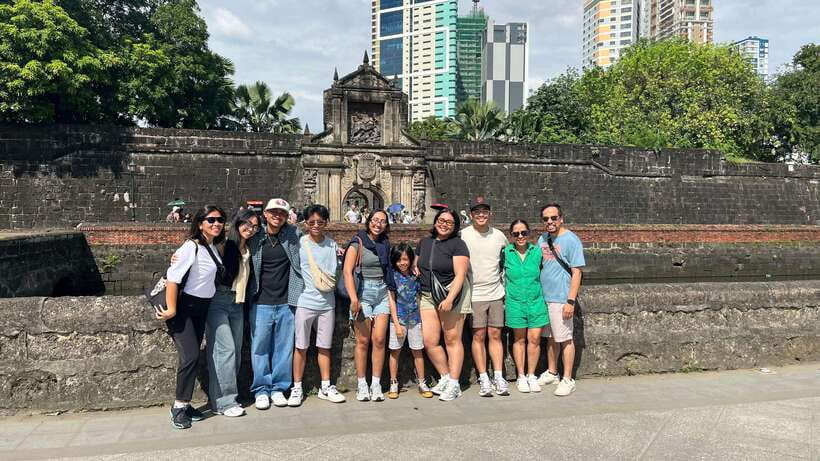
From Fort Santiago, the route includes Manila Cathedral. This stop helps you understand that Spanish influence was not only military or political, it was also religious and cultural. When you hear the story behind the cathedral in the flow of the tour, you get a sense of how churches functioned as centers of community and authority.
This is also one place where tone matters. Because the tour focuses on both the “great” and “dark” chapters, religious landmarks can feel different from what you expect. Instead of thinking only about beauty, you start noticing what endurance and rebuilding mean.
If you are sensitive to heavy topics, give yourself a mental heads-up. The guide’s role is not to shock you, it is to connect events to place. That is a useful way to travel, but it does mean you may come away thinking longer than you planned.
More of Intramuros:
- Intramuros, Manila: Historical Bamboo Bike Tour
★ 4.8 · 583 reviews - Experience Intramuros with Bamboo Bicycle – Ecotours
★ 5.0 · 508 reviews - Manila: Intramuros, Chinatown, and Old Manila Half-Day Tour
★ 4.8 · 475 reviews - Manila: Guided Sunset Bamboo Bike Tour in Intramuros
★ 4.8 · 119 reviews
Casa Manila: How a Replica Helps You See Daily Life
Next comes Casa Manila, described as a replica of a Spanish colonial mansion. For many visitors, a replica can sound like a shortcut. In this case, it works because you are not just touring a house. You are using the house as a visual tool. It helps you imagine the daily rhythms, social expectations, and design choices tied to Spanish colonial life.
This is also a stop that breaks up the emotional intensity of fort and battle stories. You still learn, but the learning feels more grounded in everyday space. You get a sense of what colonial homes were meant to communicate, and how style and structure served a bigger cultural system.
One timing note: the Casa area is closed on Mondays. If you are planning your trip around a specific weekday, double-check your calendar so you do not arrive expecting a full Casa Manila visit.
San Agustin Church: The Survivor Among Intramuros Churches
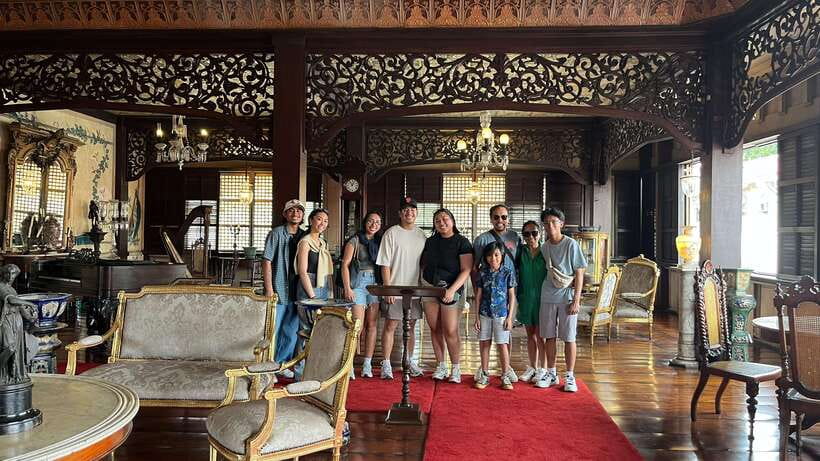
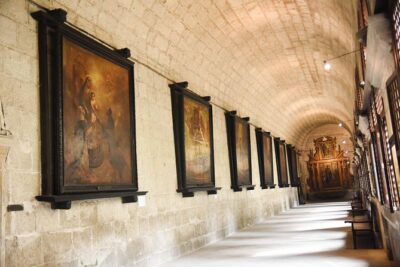
The tour includes San Agustin Church, a major highlight because it is the only church left among seven churches of Intramuros built beyond 1571. That fact turns the stop into a kind of anchor point. When you know others did not survive, you start valuing what is still here for its physical endurance and its historical weight.
You will want to plan your clothing for this stop. The guidance is modest attire that covers your shoulders inside the church. This is a respectful, practical rule, and it avoids last-minute stress right when you arrive. Comfortable, breathable fabric helps because you are still doing outdoor walking before you reach the interior.
In terms of experience, the guide’s job is to connect what you see to the larger story you have already heard. By the time you arrive at San Agustin Church, the tour has already framed Intramuros as a place of shifting power and conflict. So the church does not feel like a generic landmark. It feels like a survivor.
The “Lamborghini” Paddle Bike Moment That Breaks Up the Walking
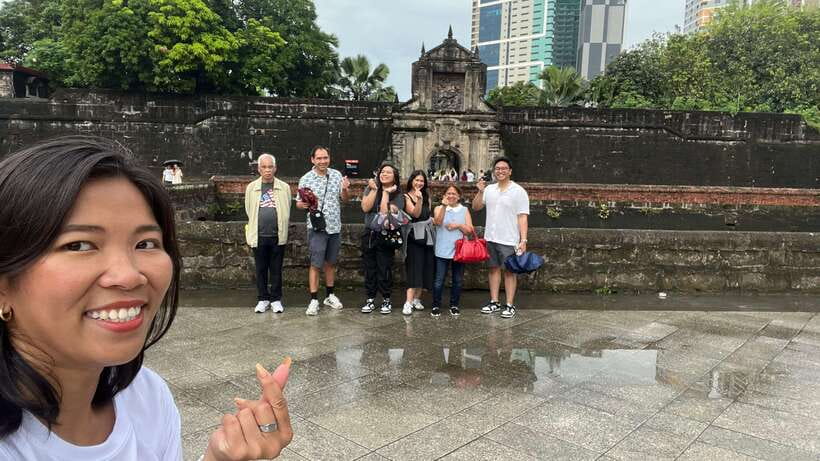
Included in the tour is a short ride on a three-wheel paddle bike often described as a Lamborghini bike. Here is the good news: you do not need to paddle. Someone can do it for you.
That detail matters more than you might think. It means the ride functions like a break, not an activity challenge. You can focus on the scenery and the guide’s commentary without worrying about pedaling. It is a nice change of pace in a walking day, especially when Manila heat is in the mix.
Also, this short segment helps with pacing. You still get movement, but you reduce fatigue, which helps you enjoy later stops like churches. If you are the type who gets cranky when your legs feel done too early, this is a smart inclusion.
Halo Halo as the Sweet Payoff After the Stories
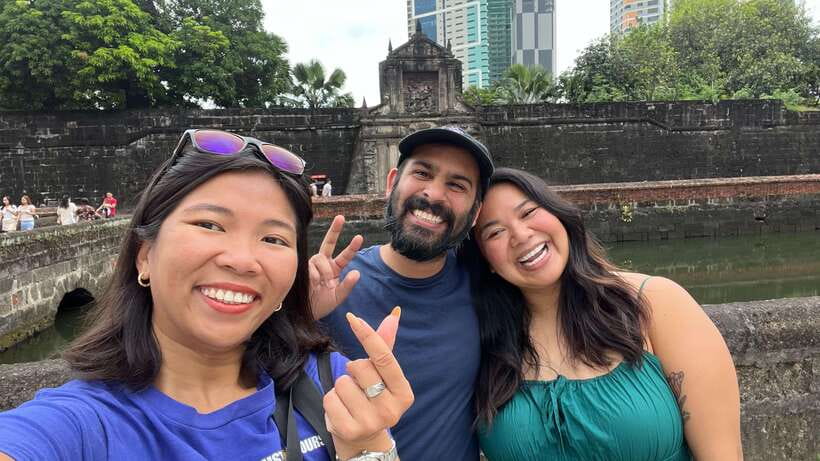
A guided Intramuros day can make your brain work hard. That is why the halo halo element is such a good final note. The tour description points toward trying a famous Filipino halo halo, and multiple experiences note a dessert stop as a memorable finish.
You should treat it as the payoff. Order what you like, take your time, and let the stories settle. It is also a chance to ask extra questions while you recharge. If you are traveling with limited time, a planned dessert stop helps you avoid scrambling for food on your own at the end.
Timing, Weather, and Why 10 Minutes Matters
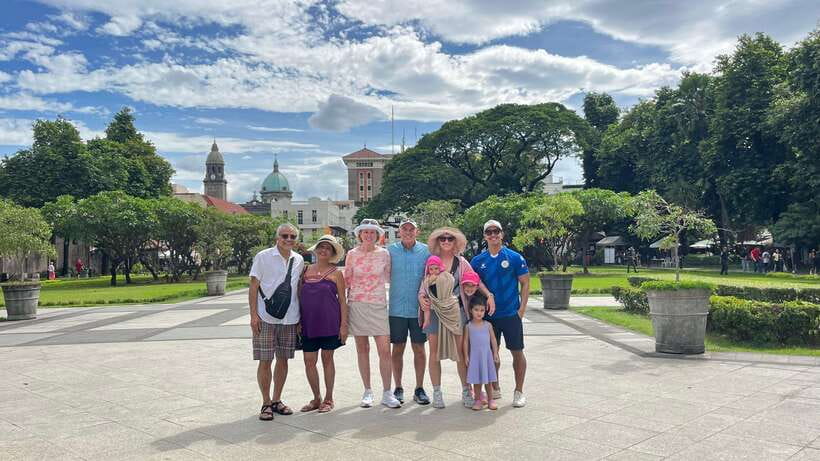
The tour runs about 2.5 to 3 hours, and a review noted that a shorter-than-expected duration can happen. Another pointed out that you should account for up to 3.5 hours so you do not feel rushed if you are catching a flight or meeting someone.
My advice: if your schedule is tight, plan a buffer. Intramuros is compact, but you still have indoor stops, church rules, and short logistics moments like moving between sites and getting photos. The guide is there to keep things organized, but your best friend is realistic timing.
Bring what you need for sun exposure: sunglasses, hat, and sunscreen are called out for a reason. The tour is mostly outdoors until you reach the churches. Even if the morning is pleasant, you will likely feel warmer than you expect once you start walking the lanes.
Price and Value: What You’re Actually Paying For
The price is listed as $54 per person for a small group limited to 10. At this level, value comes from the mix of what is included: a live English guide, entry fees, a water bottle, and the paddle bike ride. It is not just a guide walking you around, it is also paying for access.
What is not included is pickup and drop-off. So you will need to get to Intramuros on your own, meet your guide at Figaro Cafe, and then make your own way back after the tour. If you are staying in the area or using local rides, this is manageable. If you are far away, it is worth factoring in transit time.
The guides also seem to elevate the experience with high-quality storytelling and photo help. People have praised guides like Mari and Tess for taking pictures throughout and being patient about questions. That kind of service turns a history tour into a personal experience, not just a checklist.
Is it worth it? If you care about context and you want major Intramuros sites in one organized session, yes. If you only want casual photos and do not want to hear heavy history, you might prefer a lighter self-guided route.
Who This Tour Suits Best (And Who Might Want a Different Plan)
This is a strong fit for you if you want to understand Manila at street level. If you are curious about Filipino history and culture, and you like explanations that connect past conflict to the present city, you will get a lot out of the structure.
It also suits solo travelers well. Several experiences mention a solo traveler feeling cared for, including help with finding a safe cab pickup and booking options with Grab at the end. That kind of support is gold when you are navigating a new area.
On the other hand, it is not suitable for wheelchair users, so plan another option if mobility needs are part of your day. Also, because the tour touches dark moments, if you prefer only uplifting historical content, you might feel the emotional weight.
Practical Tips Before You Go
Here is how to make your day smoother from the start:
- Wear comfortable shoes you can walk in for a couple of hours
- Dress for churches with shoulders covered for the church visit
- Bring sunglasses, a sun hat, and sunscreen
- Plan to be at Figaro Cafe early, 10 to 15 minutes
- Tip your guide at the end, as recommended
- Remember that Mondays can affect Casa Museum and San Agustin Church openings
- Expect it to be an active walking experience, even with the bike break
These small prep steps matter because they protect your energy for the actual reason you came, the story behind the walls.
Should You Book the Intramuros Walking Tour?
I think you should book this tour if your priority is meaningful history with major stops in a short window. The price works because it bundles guide time, entry fees, and the paddle bike moment, and the small group size keeps the experience from feeling rushed. Most importantly, the guide style seems to be the differentiator. People repeatedly mention guides like Mari, Tess, Tessie, and Victor for being clear, patient, and willing to share personal local perspective, including family stories that make the past feel human.
Skip or rethink if you want a purely scenic walk, or if heavy historical topics would be a strain right now. Also be careful with your day choice, because Monday closures can change what you see.
If you come prepared with good shoes, modest church attire, and a bit of mental space for the darker chapters, you will leave Intramuros seeing it differently, not just photographing it.
FAQ
Where do I meet the guide for the Intramuros Walking Tour?
You meet your guide at Figaro Cafe at Intramuros to begin the activity.
How long is the tour?
The duration is listed as 2.5 to 3 hours.
Is the tour in English?
Yes, the live tour guide speaks English.
What is included in the price?
Included are a live guide, Lamborghini bike (short ride), entry fee, and a water bottle.
Is pickup and drop-off included?
No, pickup and drop-off are not included.
What should I bring to the tour?
Bring comfortable shoes, sunglasses, a sun hat, sunscreen, water, and comfortable clothes.
What should I wear for the church?
Inside the church, wear something modest and comfortable that covers your shoulders.
Is the Lamborghini bike ride active, do I have to paddle?
No. It is described as a paddle bike with three wheels, and you will not need to paddle because someone can do it for you.
Can I cancel and get a full refund?
Yes. Free cancellation is offered up to 24 hours in advance for a full refund.
Is Casa Museum and San Agustin Church open every day?
No. On Mondays, Casa Museum and San Agustine Church are closed.
Newest reviews around Manila
- TAGAYTAY DAY TOUR FROM MANILA★ 5.0 · 3 reviews
- 3 Days Private Tour in Banaue Ifugao visiting Batad Rice Terraces★ 3.5 · 3 reviews
- 4 Day Banaue Ifugao Rice Villages Private tour Trekking★ 4.5 · 3 reviews
- Bites and Sights: Tagaytay Food and Nature Excursion from Manila★ 4.0 · 3 reviews
- Embark on a 7-Day Banaue-Sagada Adventure of a Lifetime★ 5.0 · 3 reviews
- Philippines Intro 3 days 2 nights Tour Best of Manila and Beyond★ 5.0 · 3 reviews
- Following the Footsteps of Anthony Bourdain★ 5.0 · 3 reviews
- Tagaytay: Taal Volcano Tagaytay Private Tour w/Jeepney Ride★ 5.0 · 3 reviews
Intramuros, compared.
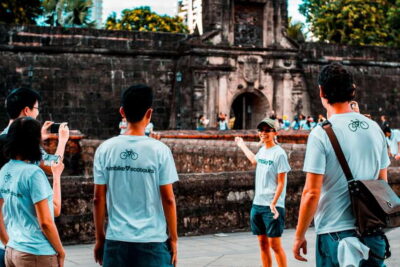
Intramuros, Manila: Historical Bamboo Bike Tour
Read our review →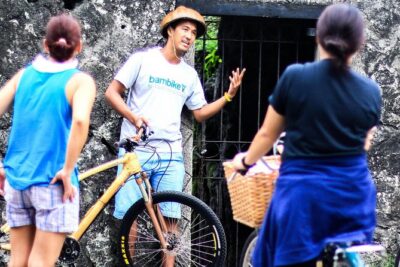
Experience Intramuros with Bamboo Bicycle – Ecotours
Read our review →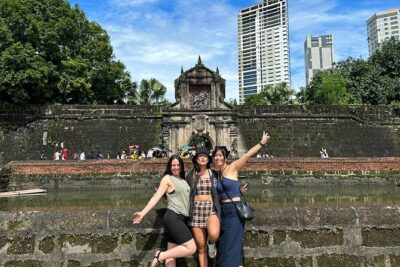
Intramuros, Chinatown, and Old Manila Half-Day Tour
Read our review →
Manila Old and New: Sightseeing Tour Including Intramuros and Fort Santiago
Read our review →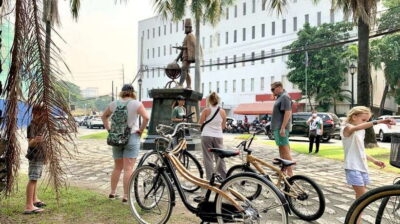

Explore Intramuros: Introduction to Philippine History
Read our review →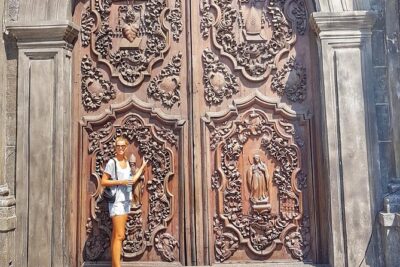
Experience Manila’s Heritage: Intramuros & More in Half a Day!
Read our review →Browse the lists this tour appears in