
Reviewed · INTRAMUROS
Manila: Intramuros and Chinatown Food Tour with Food Samples
This tour is interesting because it stitches together two very different sides of Manila in one smooth flow: colonial-era sights in Intramuros and the food culture of Binondo. You get history on foot, plus a tuktuk ride that changes the pace before the tasting starts.
What I like most is the combo. First, Fort Santiago and the nearby churches are the kind of stops that make Manila’s past feel real, not dusty. Second, the Binondo food sampling is structured, with at least 7 classic Chinese dishes laid out for you to try.
One thing to consider is the format. It is a walking tour with no wheelchair suitability listed, and it includes food tastings, so people with food allergies need extra caution.
Key Things That Make This Tour Worth Your Time
- Fort Santiago focus with time at the preserved ruins and José Rizal connections
- Old Manila landmarks on foot, including Manila Cathedral and San Agustin Church (UNESCO)
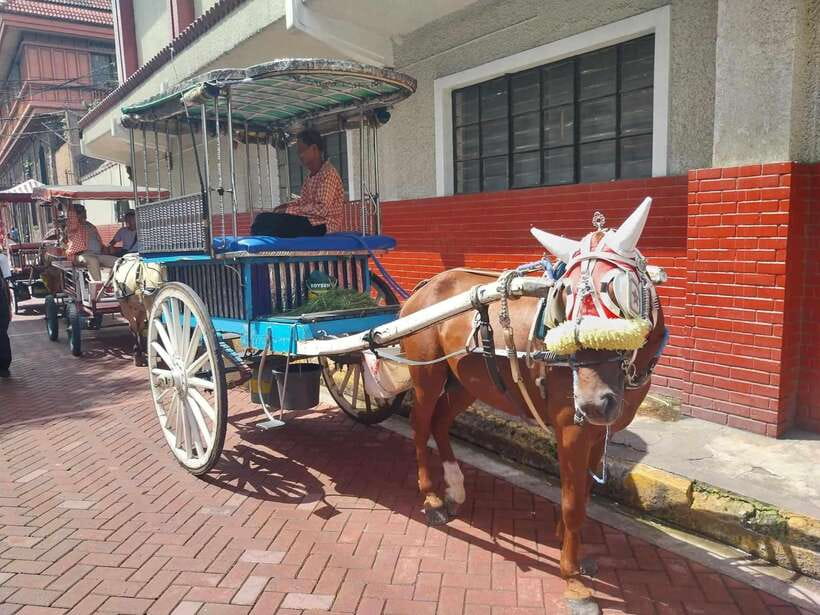
- Tuktuk ride from Intramuros to Chinatown, a fun change of pace on cobblestones
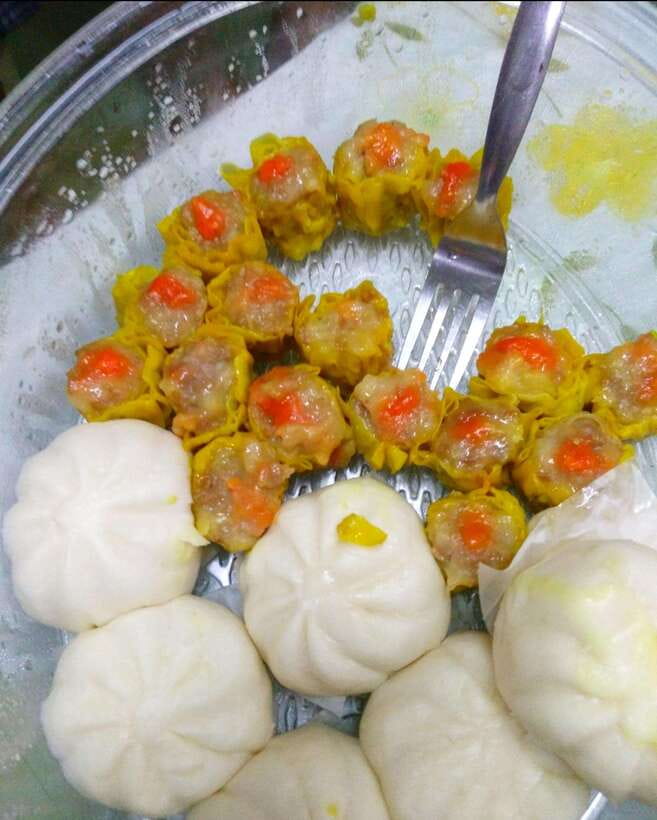
- 7 Chinese delicacies in Binondo, including siopao, siomai, lumpia, hopia, pansit, egg tart, and buchi (availability varies)
- Small group size up to 8, which keeps the pace human
- Guide support that goes beyond the tour, including help with getting taxis after
Intramuros to Binondo: A Route That Makes Manila Make Sense
If you only see Manila’s sights from a bus window, you get noise but not meaning. This tour is built for the opposite. You start at Fort Santiago in Intramuros, then walk through major landmarks, take a tuktuk ride toward Chinatown, and finish with food in Binondo. That order matters because it mirrors the city’s layers. You see the old walls first, then you feel the daily, stomach-level culture.
For you, the value is not just “places visited.” It is the way the stops connect. Fort Santiago and the nearby churches are about power, faith, and colonial-era history. Binondo is about how communities adapted and mixed cuisines until they became part of everyday Filipino eating. If you like travel that helps you understand what you are looking at, this route holds together.
The pace is active but not extreme: comfortable walking, short transfers, and a big tasting block at the end. Just pack for it, wear real shoes, and plan to eat your way through the last stretch.
More Food & Drink in Manila
- Manila Food Tour: Introduction to Philippine Street Food
★ 5.0 · 417 reviews - Manila Food Tour: Explore World’s Oldest Chinatown
★ 5.0 · 158 reviews - Manila: Street Food and Drinks Walking Tour with Tastings
★ 4.8 · 114 reviews
Fort Santiago Gate: Where You Get the Rizal Connection Right Away
You begin at Fort Santiago, which is a key site tied to Manila’s colonial past. You walk through the gate area and spend about an hour moving at a history-friendly speed. The focus is on the preserved ruins, so you can see what survived and what it meant.
Here is why this stop works. It is not only a photo stop. It helps you place José Rizal in the story of the city, so when you later notice church facades and colonial architecture, your brain has something to anchor to. Even if you do not memorize dates, you get the sense of a place that has been through a lot and still shows traces.
Practical note: you are mostly on foot here, so slow down when you arrive. Take a minute to orient yourself, then settle in. The guide’s explanations make the ruins easier to read.
Manila Cathedral and San Agustin Church: Big Architecture, Clear Walk Between
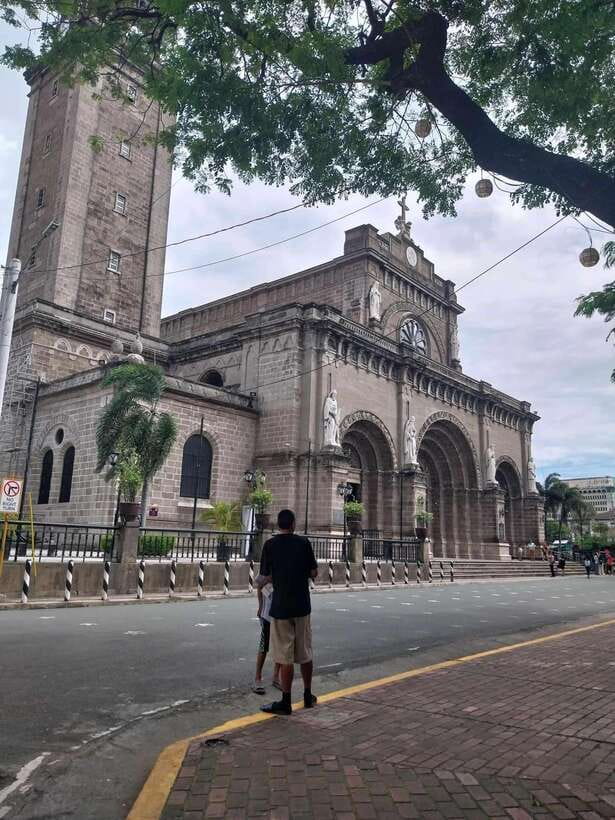
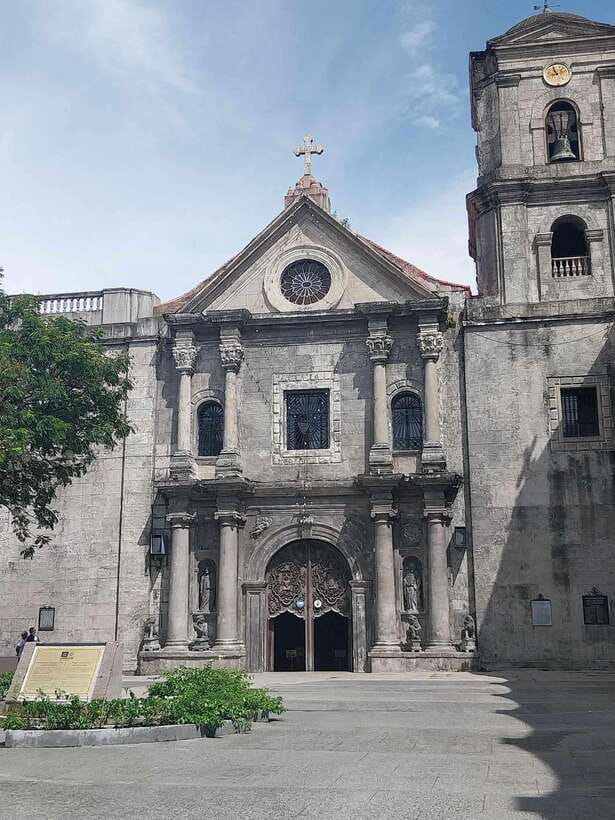
After Fort Santiago, you keep moving through Intramuros with short walks that let you see landmarks without rushing. The next stop is Manila Cathedral, an architectural landmark that has endured disasters over time. You get a chance to view it as a long-lasting symbol, not just a building.
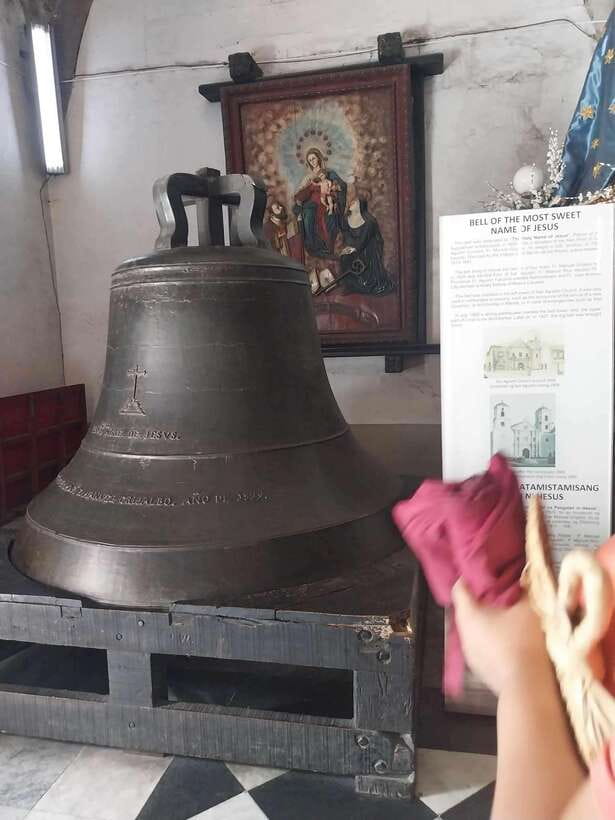
Then you move on to San Agustin Church, the oldest stone church in the Philippines and a UNESCO World Heritage Site. This is one of those stops where the baroque details pay off if you slow your looking down. The guide frames its historical importance and the kind of craftsmanship you are seeing.
What to expect on these segments: the walking is manageable, but sunlight can be strong. Plan to use sunscreen and keep water within reach. Also, if you are the type who likes to take time with photos, build in extra minutes. Intramuros streets are narrow, so you might have to wait for space to clear.
The Tuktuk Ride Through Intramuros: Fast, Breezy, and Actually Fun
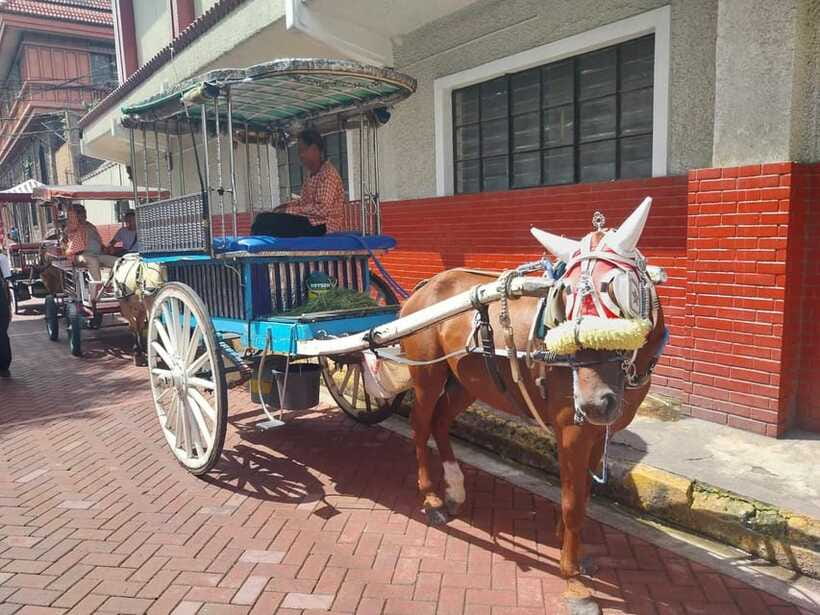
Once you have worked your legs through the walls, the tour adds a tuktuk ride to switch gears. The ride takes you from Intramuros to Chinatown and it is described as breezy and eco-friendly, with views along the way.
This is not a random add-on. It is a practical solution. Intramuros walking can feel dense and warm in the middle of the day. A tuktuk gives you a reset, plus you get motion views of landmarks and cobblestone streets that you might miss if you only stroll.
If you care about comfort, this is the moment to sit back for a bit. If you care about photos, keep your camera ready but follow the rules. Flash photography is not allowed, so plan for natural light and steady hands.
More of Intramuros:
- Intramuros, Manila: Historical Bamboo Bike Tour
★ 4.8 · 583 reviews - Experience Intramuros with Bamboo Bicycle – Ecotours
★ 5.0 · 508 reviews - Manila: Intramuros, Chinatown, and Old Manila Half-Day Tour
★ 4.8 · 475 reviews - Manila: Guided Sunset Bamboo Bike Tour in Intramuros
★ 4.8 · 119 reviews
Binondo’s Food Tasting: 7 Chinese Classics and How They Fit Filipino Life
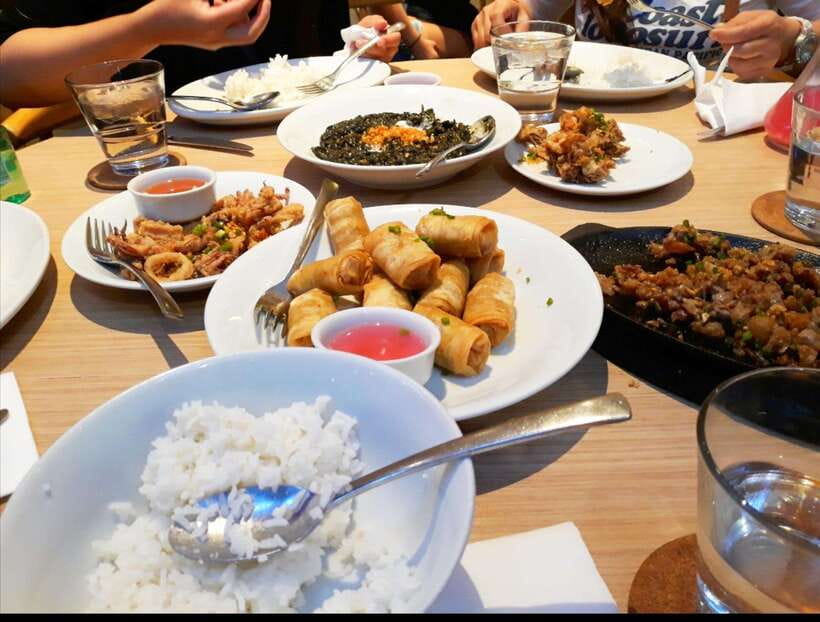
Binondo is where the tour turns from sightseeing into something more sensory. You get to sample at least 7 authentic Chinese delicacies in Chinatown, and the lineup can depend on availability. The tastings can include:
- fried siopao
- pork siomai (dumplings)
- lumpia (spring rolls)
- hopia (mung bean pastry)
- pansit (stir-fried noodles)
- egg tart
- buchi
This is a smart format if you are unsure what to order on your own. Instead of guessing, you are guided through common favorites that represent how Chinese flavors took root in Filipino eating habits. Your guide also shares how Chinese culture influenced Filipino cuisine and how Binondo became the long-running hub it is today.
What I like about this tasting approach is that it teaches you how to notice connections. For example, you can taste how pastries and snacks sit beside savory dishes. You start to understand why Filipino-Chinese food feels familiar even when the dishes have clear origins.
A quick reality check: this is a food tour, so you will likely keep snacking after. One thing I found from the tour description and past guest experiences is that the food portion is not stingy. If you have a big appetite, you will be happy. If you do not, you still should plan to take small bites across multiple tastings, because the experience is about variety.
Also, allergies matter here. The tour is not listed as suitable for people with food allergies, and they ask you to inform them of dietary restrictions in advance. If you have allergies, reach out before booking so you are not guessing.
Ending at Binondo Church: Reflection With a Heritage Finish
The tour concludes at the Minor Basilica and National Shrine of Saint Lorenzo Ruiz, also known as Binondo Church. This finish is a good idea because it gives you a place to land after eating and walking.
You are ending in another heritage setting, so the day stays coherent. You have moved from colonial-era Fort Santiago and Intramuros churches, to Chinatown’s long-running community, and now you close with a landmark tied to Filipino Catholic identity.
If you still have energy, look around after the tour ends. If it is hot, you can also just sit with a cool drink nearby and let your food settle.
Your Guide, Small Group Size, and Photo Assistance That Actually Helps
This experience runs with a small group limited to 8 participants, which I consider a practical win. It keeps the walk from turning into a stampede and makes it easier for you to ask questions without shouting.
The guide is professional and speaks English and Tagalog. Based on guest feedback, guides named Jane or Jayne handle the pace well and keep the tone friendly and clear. You are not just getting facts, you are getting the story behind what you see. That matters in Intramuros, where everything can look similar until someone points out what connects.
Photography assistance is included, and flash photography is not allowed. If you like to document your trip, bring a camera you can use without flash. In narrow streets, steady composition helps more than brightness.
One more comfort detail: the guide support often continues after the last tasting, with help making sure you get sorted for the next step, like catching a taxi. If you are new to the area, that reassurance is worth something.
Price and Timing: How $80 for 5 Hours Pencils Out
At $80 per person for about 5 hours, you are paying for three things at once: a guided walk with entrance fees included for Fort Santiago, a tuktuk ride, and food tastings in Binondo.
If you tried to assemble this solo, you would likely pay for the same transport, then spend time hunting for the right food spots. The tour reduces that guesswork. Food tastings also have a built-in advantage: you sample multiple classic items in a set flow, instead of committing to one place and hoping the choices match your preferences.
Where value depends on you: if you love history plus food and you want a clear plan, this price makes sense. If you only want one side, history or food, you might feel the cost is higher than necessary. But the design is to give you both, without long gaps.
What to Bring, and the Rules That Keep Things Smooth
Bring comfortable shoes, a camera, sunscreen, and water. The tour includes walking plus outdoor stops, so you want hydration and footwear that does not punish you by hour three.
Not allowed:
- smoking
- flash photography
Diet note: you should inform the operator of any allergies or dietary restrictions in advance, but the tour is not listed as suitable for people with food allergies. If this applies to you, contact them early so you can confirm what can and cannot be accommodated.
Who This Tour Suits Best, and Who Should Skip It
This tour is best for you if you:
- want a guided way to connect Intramuros landmarks with Chinatown food culture
- like tastings that cover multiple classic dishes
- prefer a small group and a guide who can help with logistics at the end
It is less suitable if:
- you need wheelchair access, since wheelchair users are listed as not suitable
- you have food allergies, since people with food allergies are listed as not suitable
If you are sensitive to heat or crowds, the short walks and tuktuk ride help, but you still should plan for the outdoors. Dress accordingly and take water breaks when offered.
Should You Book This Manila Intramuros and Binondo Food Tour?
I think this is a strong pick if you want a half-day that teaches you something and keeps your energy moving. You get the big Intramuros sites like Fort Santiago, Manila Cathedral, and San Agustin Church, then you get Chinatown’s food culture in a structured tasting lineup. The tuktuk ride gives you a break, and the small group size keeps the experience personal.
Book it if:
- you want both history and food, and you like having a plan
- you appreciate a guide who can explain what you are seeing while keeping the day smooth
Skip it if:
- food allergies are an issue for you
- you need wheelchair accessibility
- you prefer self-directed exploring with zero structure
If your goal is to feel like you understood Manila by the time you leave, this tour is designed to get you there. You will go home with photos, stories, and a stomach that knows exactly what siopao and siomai taste like when they are part of a bigger cultural picture.
FAQ
Where does the tour start and end?
The tour starts at Fort Santiago Gate and ends at Binondo Church, also known as the Minor Basilica and National Shrine of Saint Lorenzo Ruiz.
How long is the tour?
The duration is 5 hours.
How much does it cost?
It costs $80 per person.
What’s included in the price?
Included are a professional English-speaking tour guide, a tuktuk ride, 7 food tastings in Chinatown, entrance fees to Fort Santiago, and photography assistance.
What languages are the guides?
The live tour guide is available in English and Tagalog.
Do I ride a tuktuk during the tour?
Yes. You take a tuktuk ride as part of the experience, traveling from Intramuros to Chinatown.
What food will I taste in Binondo?
You’ll taste at least 7 authentic Chinese delicacies in Binondo, which may include fried siopao, pork siomai, lumpia, hopia, pansit, egg tart, and buchi (depending on availability).
Is the tour suitable for wheelchair users and people with food allergies?
No. Wheelchair users are listed as not suitable, and people with food allergies are also listed as not suitable. The tour notes that you should inform them of food allergies or dietary restrictions in advance.
What should I bring, and what is not allowed?
Bring comfortable shoes, a camera, sunscreen, and water. Smoking is not allowed, and flash photography is not allowed.
What is the cancellation policy?
You can cancel up to 24 hours in advance for a full refund.
More of Manila Chinatown
- Manila: Guided Food Tour of Binondo with Tastings
★ 4.8 · 38 reviews - Manila: Binondo Chinatown Guided Walking Tour
★ 5.0 · 27 reviews - Manila: Chinatown Nighttime Tour by Tuk-Tuk
★ 5.0 · 13 reviews - Manila Chinatown Food Tour with Local Guide
★ 5.0 · 6 reviews
Newest reviews around Manila
- TAGAYTAY DAY TOUR FROM MANILA★ 5.0 · 3 reviews
- 3 Days Private Tour in Banaue Ifugao visiting Batad Rice Terraces★ 3.5 · 3 reviews
- 4 Day Banaue Ifugao Rice Villages Private tour Trekking★ 4.5 · 3 reviews
- Bites and Sights: Tagaytay Food and Nature Excursion from Manila★ 4.0 · 3 reviews
- Embark on a 7-Day Banaue-Sagada Adventure of a Lifetime★ 5.0 · 3 reviews
- Philippines Intro 3 days 2 nights Tour Best of Manila and Beyond★ 5.0 · 3 reviews
- Following the Footsteps of Anthony Bourdain★ 5.0 · 3 reviews
- Tagaytay: Taal Volcano Tagaytay Private Tour w/Jeepney Ride★ 5.0 · 3 reviews
Intramuros, compared.
Intramuros, Manila: Historical Bamboo Bike Tour
Read our review →
Experience Intramuros with Bamboo Bicycle – Ecotours
Read our review →
Intramuros, Chinatown, and Old Manila Half-Day Tour
Read our review →
Manila Old and New: Sightseeing Tour Including Intramuros and Fort Santiago
Read our review →
Explore Intramuros: Introduction to Philippine History
Read our review →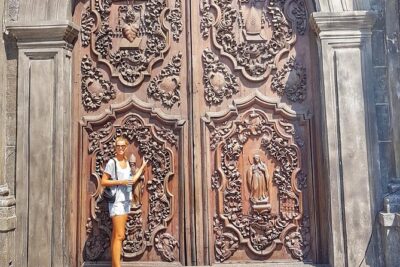
Experience Manila’s Heritage: Intramuros & More in Half a Day!
Read our review →Browse the lists this tour appears in