
Reviewed · INTRAMUROS
Manila: Filipino Historic Walking Tour in Intramuros
Intramuros is interesting because it is history you can literally walk along. One day you are beside a centuries-old church, the next you are following stone walls and stepping into places tied to Catholic power, Spanish rule, and wartime Manila.
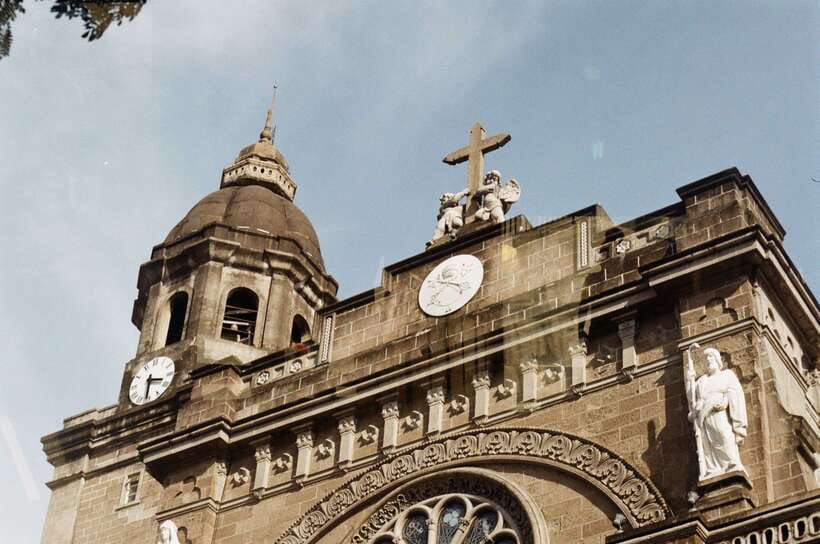
I especially like how the tour starts at San Agustin Church, described as the oldest stone church in the Philippines, and uses it as your first “timeline marker.” I also like the pace and variety, museums plus street-level sights plus Fort Santiago, all with a professional guide who brings the story to life. One thing to consider is that this is a mostly on-your-feet walk, and it is not suitable for wheelchair users or people with mobility impairments.
You also get a guide who can be funny and engaging, not just reciting dates. In reviews, Jerome is specifically called out for being friendly, knowledgeable in a practical way, and flexible about what the group wants to see, so it can feel less like a lecture and more like a guided conversation.
Key highlights worth showing up for
- San Agustin Church as the opening anchor, including the Spanish arrival story and 300+ years of occupation
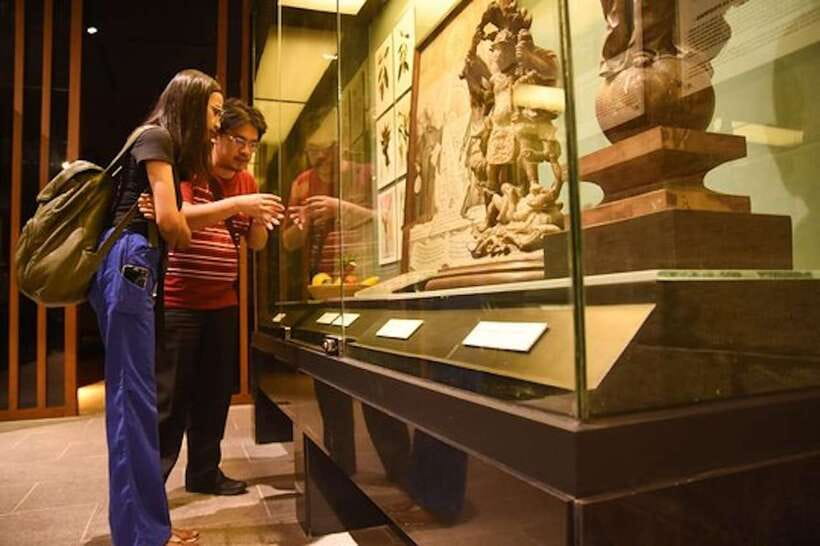
- San Agustin Museum artifacts, with the Catholic Church in the background of Manila’s past
- Casa Manila, a restored 19th-century home, where you can spot east-west design influences in one building
- Intramuros walls, including a rarely visited section, for a different angle on the fortifications
- Memorare Manila 1945 and Manila Cathedral, tying WWII and the Catholic Church’s seat in the Philippines into the same route
- Fort Santiago, ending at a former military garrison, and learning how Filipinos fought for independence
San Agustin Church: where you start with the oldest stone church in the Philippines
The tour kicks off at San Agustin Church, with the meeting point at the lobby of the museum next to it. If you have ever wandered into a landmark and wondered where to begin, this start helps. You begin with a place that sets the tone for everything that follows, built as a foundation for Spanish-era Catholic Manila.
You’ll hear why the Spanish ended up in this part of the world, and more importantly, how that 300+ year occupation left lasting marks on daily life, culture, and the architecture you still see today. It is not just “what happened,” it is “why it mattered,” because Spanish control was tied closely to the Catholic Church and the way Manila organized power.
Practical tip: bring comfortable shoes from the start. Even though this is only about 3 hours, the walking adds up fast when you are stopping often for small explanations.
More Historical Tours in Manila
- Intramuros, Manila: Historical Bamboo Bike Tour
★ 4.8 · 583 reviews - Explore Intramuros: Introduction to Philippine History
★ 5.0 · 80 reviews - Experience Manila’s Heritage: Intramuros & More in Half a Day!
★ 5.0 · 76 reviews
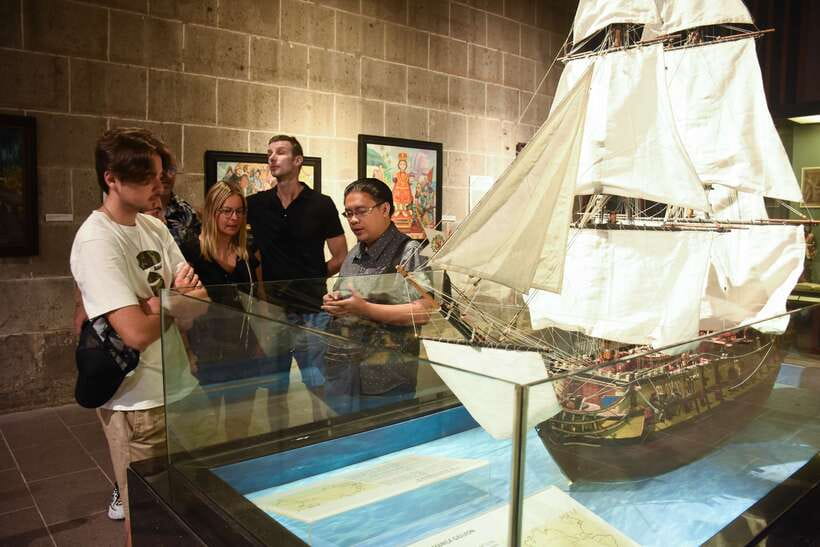
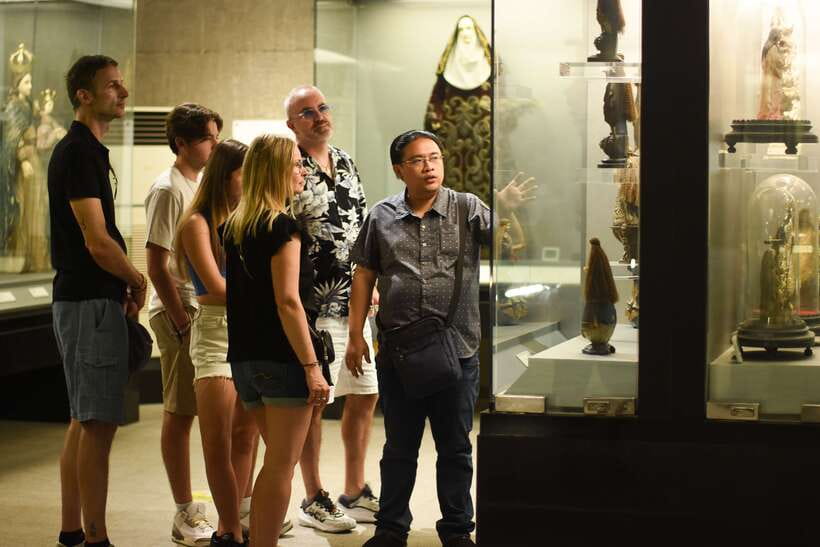
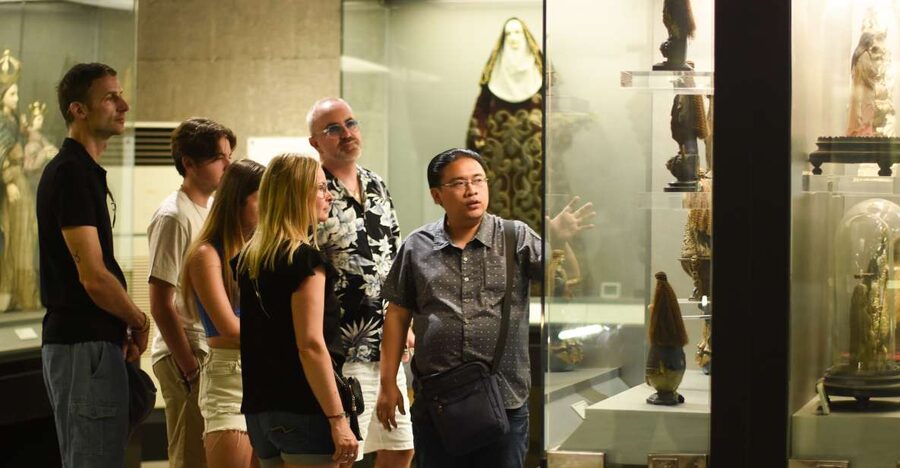
San Agustin Museum stop: artifacts and the Catholic thread through Manila
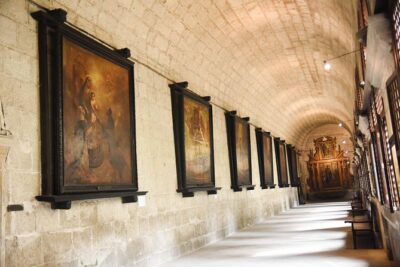
Next up is the San Agustin Museum with a guided visit. Museums like this can sometimes feel like a bunch of objects with dates. Here, the guide uses the artifacts as clues, linking them back to the wider story of the city and the role of the Catholic Church.
I like this part because it gives you context before you start “reading” the streets. Once you have a sense of the Church’s influence and how Spanish rule shaped Manila, the next buildings make more sense. You start noticing details instead of just moving past them.
Also, this museum stop is a good reset if the morning heat and sun are already working on you. Indoors explanations help you keep pace through the route.
Casa Manila: seeing east and west influences in a restored aristocrats’ home
From church and museum time, you shift into a different kind of learning at Casa Manila. This is an expertly restored, 19th-century aristocrats’ home, and you get a guided look at its furnishings and design.
What makes this stop valuable is the specific focus on where east and west influences meet. You are not just touring a pretty house. You are learning how Manila’s social world worked, what people in the upper classes valued, and how global influences were absorbed locally.
A small caution: if you prefer big outdoor views, you might find the house-style stop less photogenic. Still, it pays off because it changes how you picture colonial life, not just the political side but the everyday “how people lived” side.
Intramuros walls and narrow streets: the story behind the stone
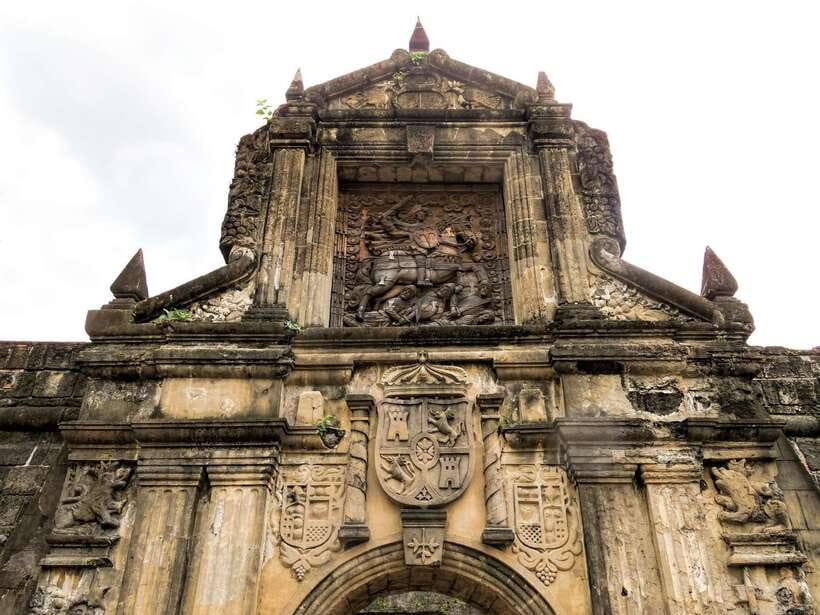
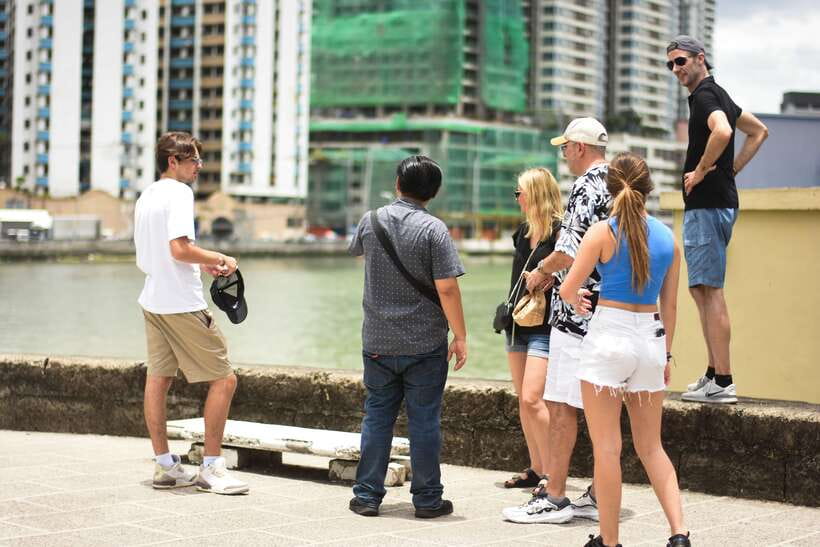
After Casa Manila, the tour moves you through the old lanes of Intramuros. This part is where you start to feel the city as a defensive system. You’ll make your way toward a rarely visited section of the historic wall, and that change of scenery is part of the fun.
When you see fortifications from a new angle, you understand why Intramuros was designed the way it was. The guide also ties the walls back to the broader colonial story, so you are not just looking at stonework, you are learning why that stone was there.
If you like walking routes that feel purposeful, this is your moment. The narrow streets and frequent stops keep your attention, and they prevent the usual problem of “we saw a bunch of places, but I forgot the point.”
More Walking Tours in Manila
- Manila: Street Food and Drinks Walking Tour with Tastings
★ 4.8 · 114 reviews - Manila: Sightseeing and Food Walking Tour with Tastings
★ 4.7 · 68 reviews - Manila: Intramuros Walking Tour.
★ 4.9 · 63 reviews - Intramuros Walking Tour with Transportation by Don’t Skip Manila
★ 5.0 · 46 reviews
Memorare Manila 1945 and Manila Cathedral: war, faith, and the center of Catholic power
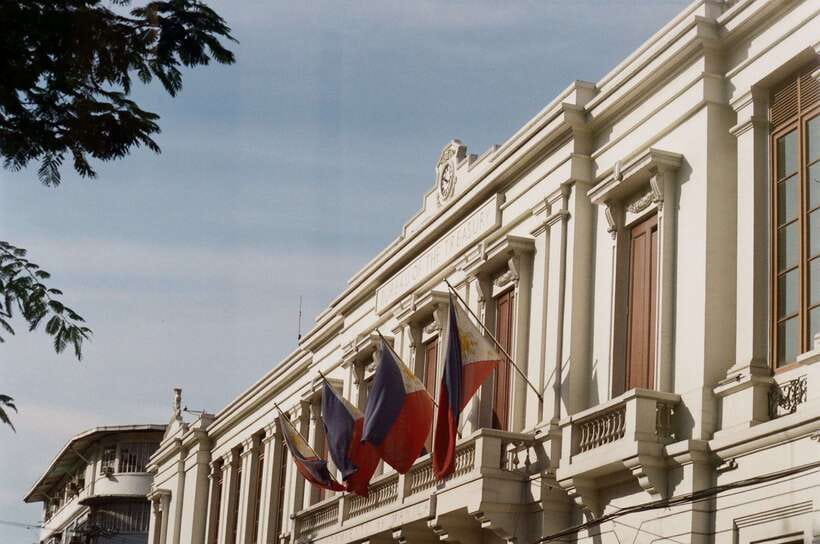
One of the tour’s strongest strengths is how it keeps shifting themes without losing the thread. After the wall and street segments, you hit the Memorare Manila 1945 area for sightseeing and a quick stop focused on WWII and the Philippines’ role in the war.
This matters because WWII in Manila is not an isolated chapter. It sits on top of earlier colonial history, and it helps explain why the independence story feels urgent and personal rather than academic. Even when the time here is brief, the guide makes it clear how conflict reshaped the city and its people.
Then you move to Manila Cathedral, described as representing the seat of the Catholic Church in the Philippines. This is another “power center” moment. If the earlier stops helped you understand colonial power through buildings and museums, Manila Cathedral reinforces that the Catholic Church was not a background detail. It was a major force in shaping public life.
Practical tip: the cathedral and the surrounding streets can be busy. I recommend staying close to your guide, especially when the group moves through tighter lanes.
Fort Santiago: ending at a military garrison and the independence story
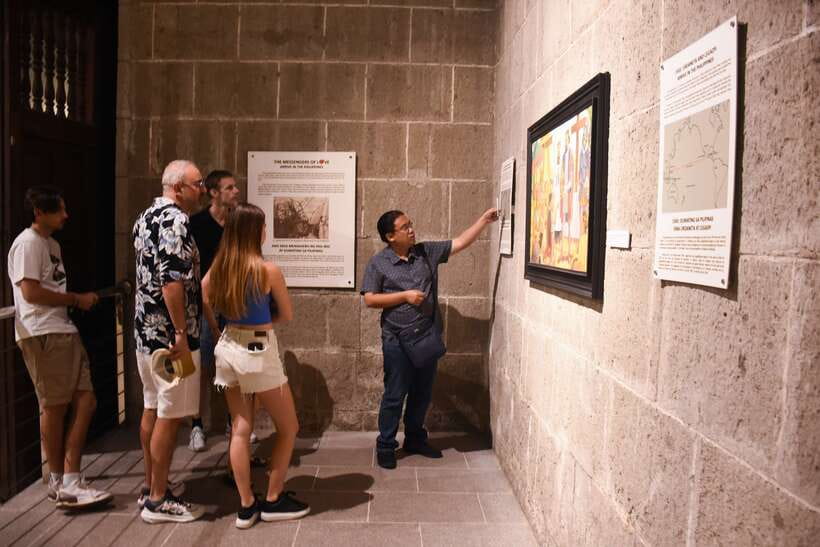
The tour ends at Fort Santiago, and it is a fitting finale because it brings the history into the realm of conflict and resistance. The guide covers how the Filipino fight for independence ties into the old military garrison.
I like endings like this because it gives you closure. You start with Spanish occupation and Catholic influence, you pass through the WWII memorial moment, and then you finish where the military footprint mattered. You leave with a clearer sense of how power changed hands, and how Filipinos pushed back.
Fort Santiago also gives you a physical sense of scale. Looking at a fortress-like space after hearing about occupation and war helps everything click. The stones stop being abstract.
Price and value: why $55 can make sense for a focused 3-hour route
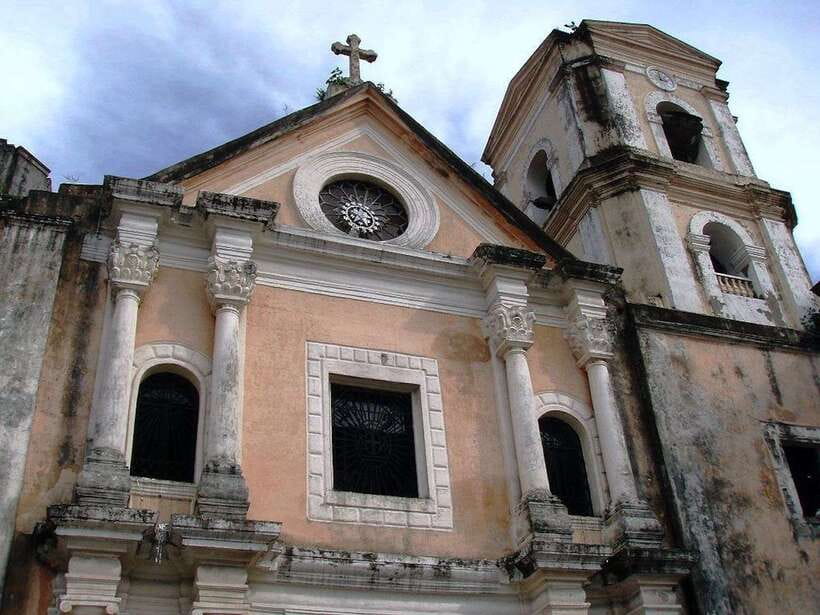
At $55 per person for about 3 hours, this is the kind of tour that can be good value if you like guided context and don’t want to piece everything together yourself.
Here is why it can feel fair:
- You get a professional guide who connects each stop to the larger colonial and wartime story.
- Entrance fees are included for Fort Santiago, San Agustin Church and Museum, and Casa Manila Museum, so you are not adding surprise costs at each location.
- The group size is capped at 15 participants, which usually means less rushing and more chances to hear the guide clearly.
Where value can wobble is if you have zero interest in colonial-era and Catholic-centered history. Then you might feel like you spent a lot of time learning a single big theme. But if that theme is what you want, the structure works.
Also, from reviews and the way the itinerary runs, the time on the ground lands close to perfect, a little under 3 hours for most people. That is long enough to feel you got somewhere, not so long that your brain melts before the last stop.
What to wear and how to prepare for Intramuros comfort
This is a walking tour, and the comfort rules are simple. Wear comfortable shoes. Dress with care because short skirts and sleeveless shirts are not allowed.
Weather is another real factor. This activity requires good weather. If it gets canceled due to bad weather, you are offered a different date or a full refund. I treat this as a “plan for outdoors” day and I avoid scheduling it as my first plan if rain is a strong possibility.
If you get easily tired, you should also know this is not set up for people with mobility impairments or wheelchair users. The route includes walking on old streets and museum visits tied to the historic core.
Who this tour fits best, and who should choose something else
This works best for you if:
- You enjoy walking history with an actual guide to connect the dots.
- You want a compact route through major Intramuros landmarks, without doing the research yourself.
- You like a guide who can be friendly and funny, not just formal.
In reviews, people highlight that guides can be engaging, and Jerome is specifically praised for being super friendly and flexible. That kind of guide personality matters on a tour like this because the subject is serious, Spanish rule and war. Humor and warmth help it land without turning into a textbook.
This tour is less ideal if:
- You need a fully accessible route.
- You expect large open-air viewpoints for the entire trip.
- You want a purely modern Manila experience.
Should you book the Manila: Filipino Historic Walking Tour in Intramuros?
I think you should book it if you want an efficient, guided way to understand how Spanish colonial history, Catholic influence, WWII, and independence shape what you see in Intramuros today. The included museum and site entries make it practical, and the small group size keeps the experience from feeling like a conveyor belt.
If you are sensitive to weather, check forecasts and choose a day with steadier conditions. If you are able to walk comfortably and you like history that explains why the city looks the way it does, this is a solid use of a half-day.
FAQ
Where does the tour start?
You meet at the lobby of the San Agustin Church museum. Look for your tour guide using the WhatsApp contact number.
How long is the walking tour?
The duration is 3 hours.
How much does the tour cost?
The price is $55 per person.
What is included in the price?
The tour includes a professional tour guide and entrance fees to Fort Santiago, San Agustin Church and Museum, and Casa Manila Museum.
Is hotel pickup and drop-off included?
No. Hotel pickup and drop-off are not included.
What languages does the guide speak?
The live tour guide speaks Tagalog and English.
Is the tour dependent on weather?
Yes. The tour requires good weather. If canceled due to bad weather, you will be offered a different date or a full refund.
Are there dress code rules?
Yes. Short skirts and sleeveless shirts are not allowed.
How many people are in the group?
The tour has a maximum of 15 participants.
Is the tour suitable for wheelchair users?
No. It is not suitable for people with mobility impairments or wheelchair users.
More of Intramuros
- Experience Intramuros with Bamboo Bicycle – Ecotours
★ 5.0 · 508 reviews - Manila: Intramuros, Chinatown, and Old Manila Half-Day Tour
★ 4.8 · 475 reviews - Manila: Guided Sunset Bamboo Bike Tour in Intramuros
★ 4.8 · 119 reviews - Manila by Night: Discovering City Highlights with Intramuros
★ 4.5 · 70 reviews
Newest reviews around Manila
- TAGAYTAY DAY TOUR FROM MANILA★ 5.0 · 3 reviews
- 3 Days Private Tour in Banaue Ifugao visiting Batad Rice Terraces★ 3.5 · 3 reviews
- 4 Day Banaue Ifugao Rice Villages Private tour Trekking★ 4.5 · 3 reviews
- Bites and Sights: Tagaytay Food and Nature Excursion from Manila★ 4.0 · 3 reviews
- Embark on a 7-Day Banaue-Sagada Adventure of a Lifetime★ 5.0 · 3 reviews
- Philippines Intro 3 days 2 nights Tour Best of Manila and Beyond★ 5.0 · 3 reviews
- Tagaytay: Taal Volcano Tagaytay Private Tour w/Jeepney Ride★ 5.0 · 3 reviews
- Following the Footsteps of Anthony Bourdain★ 5.0 · 3 reviews
Intramuros, compared.
Intramuros, Manila: Historical Bamboo Bike Tour
Read our review →
Experience Intramuros with Bamboo Bicycle – Ecotours
Read our review →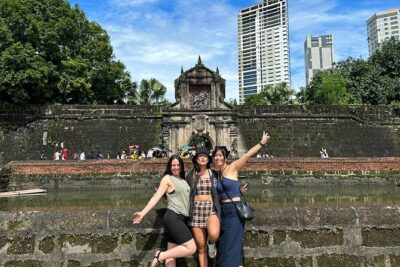
Intramuros, Chinatown, and Old Manila Half-Day Tour
Read our review →
Manila Old and New: Sightseeing Tour Including Intramuros and Fort Santiago
Read our review →
Explore Intramuros: Introduction to Philippine History
Read our review →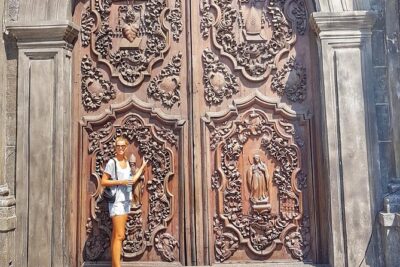
Experience Manila’s Heritage: Intramuros & More in Half a Day!
Read our review →Browse the lists this tour appears in