
Reviewed · INTRAMUROS
Intramuros Walking Tour: Explore the Manila’s Walled City|Private
Intramuros is where Manila’s story is written in walls, forts, and churches, and this walking tour turns it into a tight, 3.5-hour timeline you can actually follow. You move through key eras that shaped the Philippines, from early Manila through Spanish rule, American annexation, Japanese occupation, and the post-war rebuilding, all inside Intramuros.
Two highlights I especially like are the stop at Rizal Shrine for José Rizal’s imprisonment story, and the mix of walking with a kalesa or tranvia ride that keeps you oriented in the walled city. If you learn best when history comes with clear, human details, this format works.
One thing to keep in mind is that it depends on good weather, and you are still on your feet for most of the 3.5 hours. If you’re hoping for a mostly sitting, museum-only day, you may feel the pace is brisk.
Key Things That Make This Tour Worth Your Time
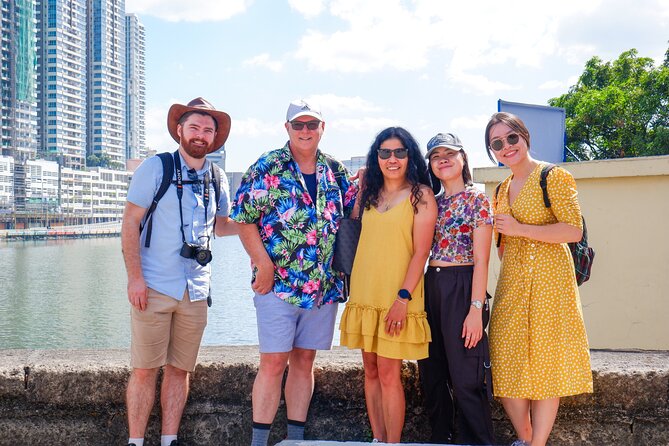
- Fort Santiago entry included for a full hour at the heart of Old Manila defenses
- Rizal Shrine with admission included, plus a strong focus on José Rizal’s imprisonment before 1896
- Manila Cathedral and other major landmarks, handled in short, easy-to-digest stops
- Kalesa or tranvia ride included to reset your bearings around the walled area
- Memorare Manila 1945 Monument that brings the WWII liberation story into the walk
- Casa Manila museum time included, showing Spanish colonial lifestyle in a preserved structure
A 3.5-Hour Intramuros Story You Can Follow Without Getting Lost
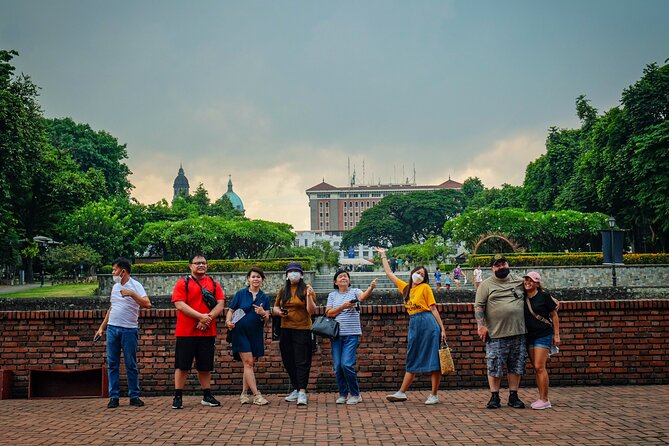
Intramuros is compact, but its history is not. This tour is designed to give you a clean line through centuries, so you do not just “see old places,” you understand why they matter. You’ll hear how Manila changed under different powers, and how those shifts shaped what you still recognize today in the walled district.
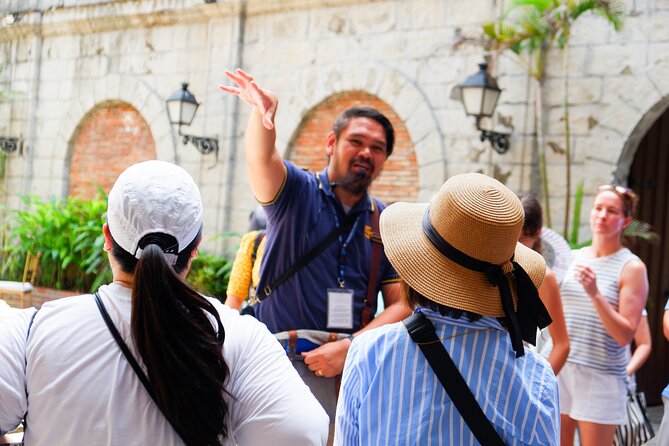
I like that the tour is paced for real learning, not just rapid sightseeing. You get both the dramatic and the everyday parts of history, with enough time at major sites to let the story land. And the fact that it’s a private group experience means the guide can keep the pace comfortable for your group.
The included rhythm also helps. You walk between meaningful stops, then you get breaks built into the schedule, plus snacks, water, and ice cream during the day. That small comfort matters when you are layering in history that can get heavy fast.
More of Intramuros:
- Manila Old and New: Sightseeing Tour Including Intramuros and Fort Santiago
★ 4.5 · 377 reviews - Manila’s Walled City: Intramuros Walking Tour
★ 5.0 · 82 reviews - Express Bamboo Bike Tour inside Intramuros
★ 4.5 · 66 reviews
Fort Santiago: Where Manila’s Defense Story Starts
The tour begins at Fort Santiago, and it is an excellent choice because it anchors everything else. The fort started as a citadel built by Spanish navigator and governor Miguel López de Legazpi for the new established city of Manila. That matters because you can stand in one place and see how power and protection were built into the city plan from the start.
You get about an hour here, with admission included, which is long enough to slow down. Instead of treating it like a quick photo stop, the guide’s explanation helps you connect the fort to Manila’s changing political control. This is also where the tour’s tone can shift into more serious territory, since fort history is tied to imprisonment and punishment.
A practical note: Fort Santiago is still a fort, meaning the experience can feel stark and weighty. If you are sensitive to that, go in mentally prepared. Still, it is one of the most important stops because it ties together Spanish-era construction with the later stories of captivity and conflict that follow in the city.
Rizal Shrine: José Rizal’s Prison Story, Explained Clearly
After Fort Santiago, the tour shifts to Rizal Shrine, a focused stop of about 30 minutes with admission included. José Rizal, one of the Philippine national heroes, was imprisoned here before his execution in 1896. This is not a vague “national hero” stop. The point is to connect his life with the specific place tied to his final months.
The shrine museum displays memorabilia, which helps you move from dates and facts into something more personal. And since the fort area includes prison structures tied to these events, the guide can explain what happened here and why the story stayed so powerful.
This is also where guide skill really shows. In the feedback for this tour, guides like Denji and Andre are praised for storytelling that stays clear and emotionally honest. You can expect the guide to translate what you are seeing into why Rizal’s imprisonment became part of the wider national narrative.
If you prefer museums that feel interactive, Rizal Shrine hits a good balance. You are not wandering alone trying to piece together symbols. You’re guided through what to look for, and it makes the place easier to understand in context.
Manila Cathedral: A Short Stop With Big Meaning
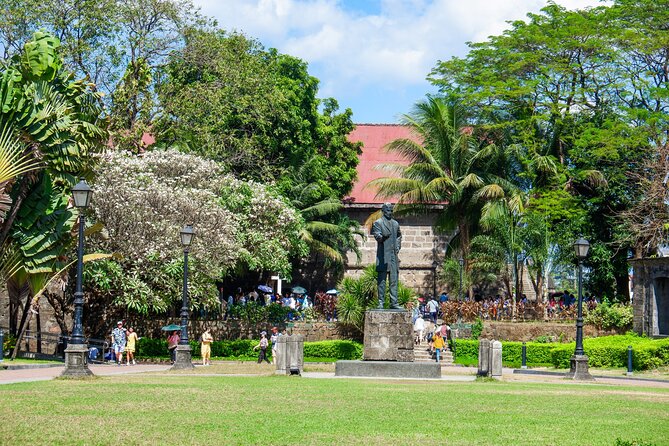
Next up is Manila Cathedral, the Minor Basilica and Metropolitan Cathedral of the Immaculate Conception. It’s located in Intramuros and serves as the cathedral of Manila. The schedule gives you about 15 minutes here, and the short time can be a plus.
Why? Because the guide can help you notice key elements fast, without letting the group drift into “we’re here but what am I looking at?” mode. In a history-heavy tour, this kind of stop works best when it’s focused, and 15 minutes keeps it efficient.
One catch: if you want a longer, inside-the-church experience, this time block may feel brief. The good news is that the stop is marked as free, so you’re not paying extra just to stand outside or do a quick look. If you want more, you can always add extra time on your own later.
More Walking Tours in Luzon
- Manila Intramuros Walking tour with Local Tour Guide
★ 5.0 · 33 reviews - Intramuros & Chinatown Manila Tour – Walking, Food & Culture
★ 4.5 · 32 reviews - Manila: Binondo Walking Tour ( Oldest Chinatown )
★ 5.0 · 30 reviews - Manila Private Walking Tour With A Local Guide (Private Tour)
★ 4.5 · 7 reviews
Intramuros by Kalesa or Tranvia: Get Oriented the Easy Way
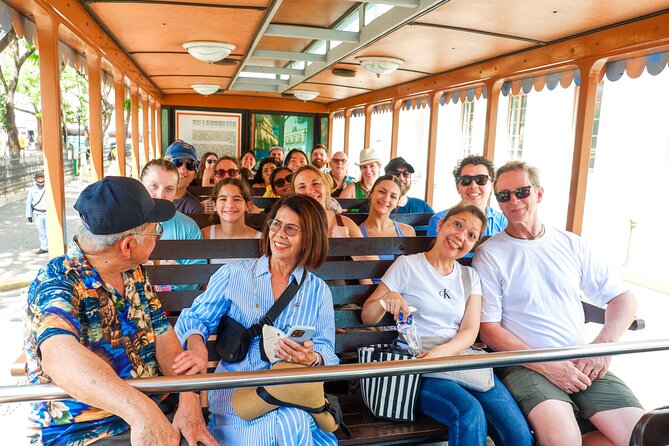
A major part of this tour’s charm is the included ride around the walled city: either a kalesa (horse-drawn carriage) or a tranvia (tram), for about 20 minutes. This is one of those “small” inclusions that changes the whole experience.
Walking inside Intramuros can be disorienting at first, especially if it’s your first time in the area. The ride helps you see how the walls and streets connect, so your later impressions make sense. It’s also a breather built into the itinerary, which keeps the day from turning into a nonstop slog.
In the feedback, the ride is mentioned alongside included treats, and that pairing is smart. You get a cultural transport moment, plus time to cool down, drink water, and reset. It is a simple way to keep your energy up before the more emotional WWII stop later.
Memorare Manila 1945 Monument: The WWII Story Hits Hard
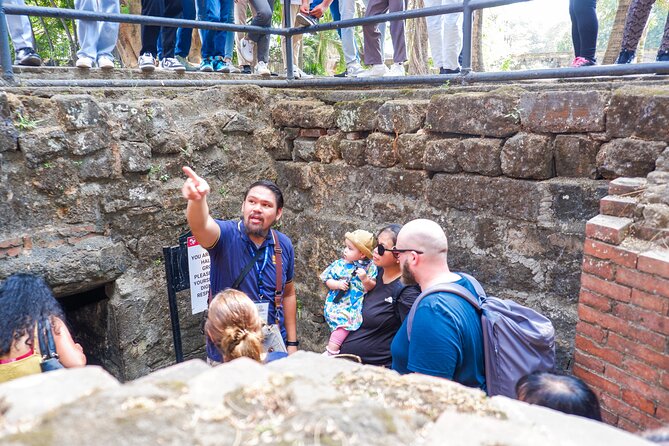
The tour then stops at the Memorare Manila 1945 Monument, which commemorates lives lost during the battle for the liberation of Manila. The key point is that it remembers the conflict between Filipino and American forces and Imperial Japanese troops starting February 3, 19.. The wording may be incomplete in the schedule details you’ll see, but the meaning is clear: this is about the human cost of liberation and the end of the occupation.
This is a reflective stop, around 15 minutes, and it plays an important role in the overall timeline. If you only saw Spanish-era sites and Rizal’s story, you might still miss how Manila’s modern identity was reshaped by WWII. This monument helps close the loop by showing that the city’s story is not just about colonization, it’s also about survival and loss.
One consideration here: the tone can be heavy. If you have a strong stomach for difficult history, you’ll likely appreciate how direct the stop is. If your group includes younger kids or sensitive visitors, it may help to be aware that this segment is more solemn than the earlier church and fort moments.
San Agustin Church: Spanish-Era Architecture, UNESCO Status, and Silence
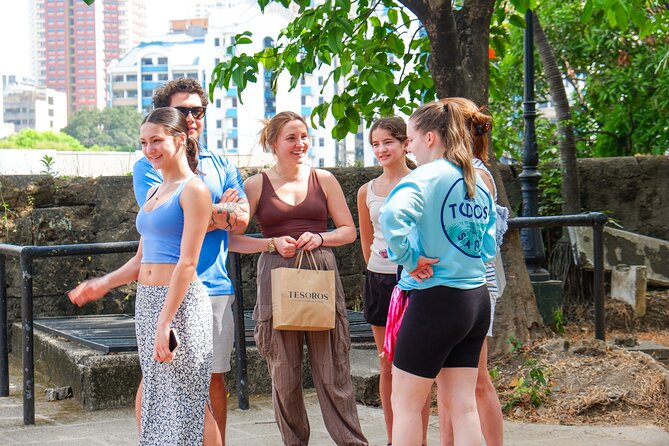
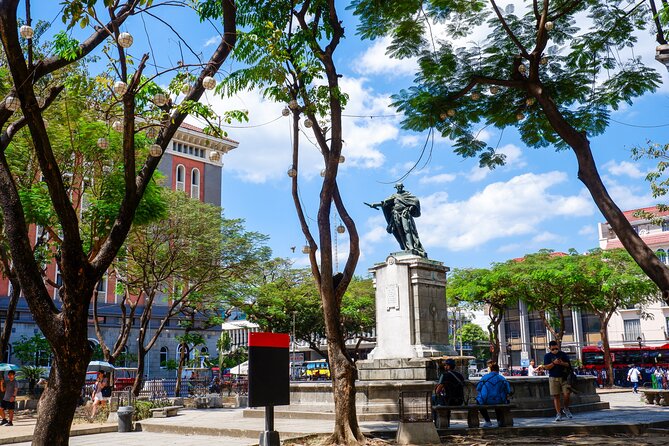
Another key stop is San Agustin Church, also called Immaculate Conception Parish. The church was completed in 1607 and is one of the great churches constructed during the Spanish colonial period. It is also designated as a World Heritage Site by UNESCO, as part of the Baroque church heritage.
You’re given about 15 minutes here, with free entry. That short window can work well because the guide can point out the most meaningful architectural and historical cues without turning it into a long lecture. You’re left with the emotional impression of the place, plus enough context to understand its importance in Spanish-era Manila.
The drawback is the same as with Manila Cathedral: if you want more time inside, the schedule may not stretch far enough. Still, as part of a broader “four centuries” style tour, these brief church visits serve as anchors. They remind you that colonial power was also religious power, built into the city’s streets and public life.
If you’re the type who likes history that you can see, this stop is one of the best payoff-to-time ratios on the route.
Casa Manila: A Museum Stop That Explains Daily Life
The tour includes time at Casa Manila, a museum in Intramuros that depicts colonial lifestyle during Spanish colonization. The building is a stone-and-wood structure dating to around 1850, and it’s one of the grand houses in the area.
You get about 30 minutes here, with admission included. That is a good amount of time because it allows you to move beyond dramatic prison and war stories and see how people lived day to day. Even if you only catch the main themes, it helps you build a fuller picture of Spanish-era Manila, not just the political side.
Casa Manila is also where the tour effectively “locks in” what you learned earlier. When you’ve already heard about colonization and the fort system, the museum gives you the everyday texture behind those big historic headlines. For many people, that context makes the whole tour feel less like a list of monuments and more like a city you understand.
Practical tip: treat the Casa Manila portion as your chance to slow down. If the earlier parts felt intense, this is the moment to rest your brain while still learning.
Price and Value: Why It Feels Reasonable at About $37.58
At $37.58 per person for a roughly 3.5-hour private history walk, the value depends on how you travel. If you were planning to pay separately for entrance fees, a guided explanation, and that kalesa or tranvia ride, the cost can feel more justified fast.
Here’s why it’s good value on paper:
- Entrance fees and donations are included for the stops that require them
- Snacks, water, and ice cream are included, which helps keep the day comfortable
- English-language guide services are included throughout
- The horse-drawn or tram ride is included as part of the route
Also, the tour is sold as group-friendly, with group discounts mentioned. If you have friends you can pair up with, the price often feels like less of a splurge and more like a fair deal for a guided day inside a dense historic zone.
One possible downside of private-style experiences: if your group is small, you might pay more per person than you would for a big-group bus tour. Still, the private format is often what makes the history feel less rushed and more tailored to your pace.
Who This Tour Suits Best (And Who Might Prefer Something Else)
This is ideal if you want a single, organized way to understand Manila’s layers without spending your whole day bouncing between sites. If your goal is to learn the story, including Spanish colonization, American annexation, Japanese occupation, and post-war Manila, the route is built for that.
You’ll probably love it if:
- You like history that connects places to people, not just dates
- You want short, guided stops that still add up to real context
- You appreciate a mix of fort, shrine, churches, a war monument, and a museum
You might want to think twice if:
- You dislike walking for most of 3.5 hours
- You need extra time inside churches or museums and do not like tight schedules
- You are visiting only for architecture photos and do not want guided storytelling
The guide quality seems to matter a lot here. In the feedback, guides such as Anne, Orlando, and Denji are praised for knowledge and clear storytelling, with a pace that keeps people engaged. That is exactly what you want in a tour that covers a lot of difficult material.
Should You Book This Intramuros Walking Tour?
If you want one solid half-day in Intramuros that explains why the walled city looks the way it does, I think this tour is a strong choice. The combination of Fort Santiago, Rizal Shrine, Spanish-era sites like San Agustin, a WWII remembrance stop, and a museum inside Casa Manila gives you a balanced view, not just a sequence of monuments.
Book it if you can do the day you plan, and if the weather looks decent. Since the tour requires good weather, you’ll have the best experience when skies cooperate and you can stick with the walking-and-ride rhythm.
Skip it or pick a different format if you want lots of free time at each site, or if you prefer a mostly self-guided approach. For everyone else, this is the kind of tour that helps Intramuros feel readable, from fort walls to church facades to the museum rooms where daily life comes back to the surface.
FAQ
How long is the Intramuros Walking Tour?
The tour lasts about 3 hours 30 minutes.
Is this a private tour or a shared group tour?
It is a private tour/activity, so only your group participates.
What is included in the tour price?
Entrance fees and donations are included, along with snacks, water, and ice cream. English tour guide services are included too, plus a horse-drawn carriage ride or a tranvia ride.
Which stops do you visit during the tour?
The tour includes Fort Santiago, Rizal Shrine, Manila Cathedral, a ride around Intramuros, the Memorare Manila 1945 Monument, San Agustin Church, and Casa Manila.
Where do we meet and where does the tour end?
You start at 1 Sta. Clara St, Intramuros, Manila, 1002 Metro Manila, Philippines. The tour ends at Casa Manila Museum on General Luna St in Intramuros.
Does the tour operate in any weather?
The experience requires good weather. If it’s canceled due to poor weather, you will be offered a different date or a full refund.
Is there free cancellation?
Yes. You can cancel for free up to 24 hours in advance for a full refund. If you cancel less than 24 hours before the experience starts, the amount you paid will not be refunded.
Newest reviews around Luzon
- Private Airport Transfer Manila to Hotel in Manila or vice versa★ 5.0 · 3 reviews
- Sagada and Banaue Rice Terraces 4-Day Tour★ 5.0 · 4 reviews
- Manila Social and Political Walk★ 5.0 · 4 reviews
- Day Hike: Mount Daraitan plus Tinipak River start point Manila** updated 2022★ 5.0 · 4 reviews
- The Jeepney & Tuk Tuk Adventure ride with Local Guide★ 4.5 · 4 reviews
- Angeles City / Clark Airport to La Union (Bauang, San Fernando, San Juan)★ 3.5 · 4 reviews
- Personal Tour Guide in Manila Philippines★ 5.0 · 4 reviews
- The Oldest Chinatown in Manila with Local Guide★ 5.0 · 4 reviews
Intramuros, compared.
Intramuros, Manila: Historical Bamboo Bike Tour
Read our review →
Experience Intramuros with Bamboo Bicycle – Ecotours
Read our review →
Intramuros, Chinatown, and Old Manila Half-Day Tour
Read our review →
Manila Old and New: Sightseeing Tour Including Intramuros and Fort Santiago
Read our review →

Explore Intramuros: Introduction to Philippine History
Read our review →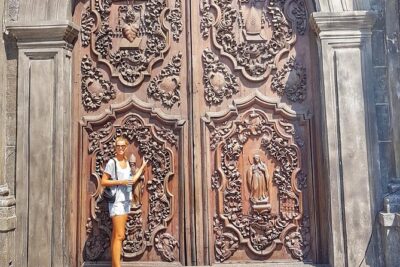
Experience Manila’s Heritage: Intramuros & More in Half a Day!
Read our review →Browse the lists this tour appears in