
Reviewed · INTRAMUROS
Manila Intramuros Walking tour with Local Tour Guide
Intramuros is famous for Spanish walls and big landmarks, but this tour leans into the darker side of Manila’s story, especially the Battle of Manila and what unfolded inside those walls. I love how the local guide makes history feel grounded in the actual streets and buildings. I also like that admission is handled for the main stops, so you are not burning time figuring out ticket hassles. One drawback: it is mostly outdoors, and it depends on good weather and on what is open that day.
You get a manageable route for about 2 to 3 hours, capped at 10 travelers, and the small-group size makes it easier to ask questions. There is also a short, fun add-on: a Lamborghini-style paddle bike ride that is more about the experience than your effort, since you will not be doing the actual paddling.
Key Highlights
- Battle of Manila focus inside Fort Santiago gives WWII context where it matters most
- Small group size (max 10) keeps the tour interactive and on track
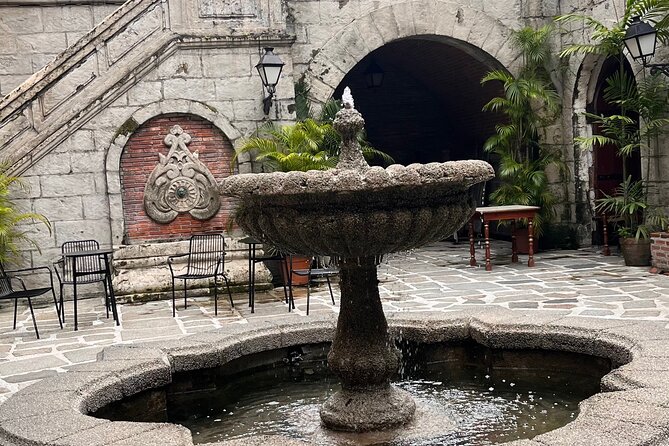
- Casa Manila replica helps you picture daily life of the Filipino elite in the Spanish period
- Church stops with practical etiquette (modest, comfortable clothing)
- Extra playful break with a short paddle-bike ride that you do not have to power yourself
- Monday closures: Casa Manila and San Agustin Church close every Monday, so the route can shift
Why this Intramuros Walk Starts With the Dark Moments
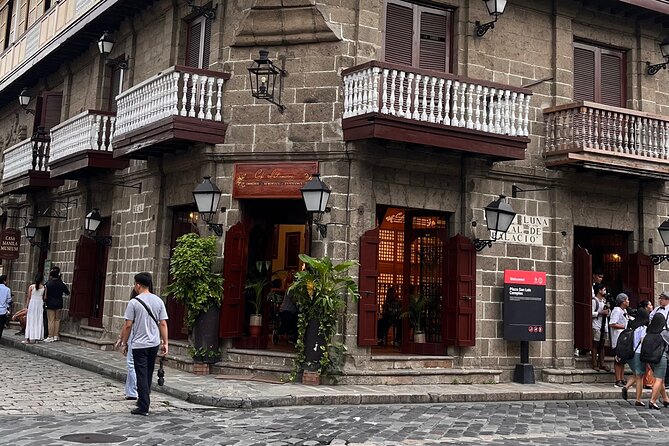
If you only visit Intramuros for the postcard views, you miss the part that explains Manila today. This tour is built around cause-and-effect: how centuries of rule, conflict, and rebuilding shaped the city you see now. The big theme is what happened within the walls during the Battle of Manila and the events that followed.
I like that the tour does not treat history like a museum label. Instead, you connect stories to specific places: churches, government-era structures, and fortifications. That approach helps you understand why Intramuros looks the way it does, and why certain names and symbols show up repeatedly in Manila’s identity.
There’s also a realism to the pacing. Stops are timed so you can absorb the key points without feeling dragged from one site to another. You get the sense that this is designed for people who want clarity, not a long lecture with no breaks.
More of Intramuros:
- Manila Old and New: Sightseeing Tour Including Intramuros and Fort Santiago
★ 4.5 · 377 reviews - Manila’s Walled City: Intramuros Walking Tour
★ 5.0 · 82 reviews - Express Bamboo Bike Tour inside Intramuros
★ 4.5 · 66 reviews
Meeting at Figaro Coffee and Getting Oriented Fast
Your tour starts at Figaro Coffee – Intramuros, in the FEMII Building on Soriano Ave. The route ends back at the meeting point, so you never have to wonder how to get home or how to backtrack.
This matters more than it sounds. Intramuros streets can feel like a maze if you do not know what to look for, and getting oriented early saves energy for the real learning. Starting at a known spot also helps if you are arriving in a hurry or just want a simple, low-stress plan.
You can also treat this as a smart first step in your Manila trip. Even if you plan to explore on your own later, having a guided map in your head makes everything easier, from where the old walls run to where the major landmarks sit.
Manila Cathedral: More Than a Pretty Facade
The tour kicks off at Manila Cathedral. It is a landmark people photograph, but with a guide you start noticing details that usually fly past you. The stop is about 35 minutes, and admission is free for this part of the visit, so it stays smooth.
What I like here is the way the cathedral frames the rest of Intramuros. If you have not been in Catholic churches in the Philippines before, this is a good starting point for understanding how faith and architecture shaped the Spanish era. It also sets up the contrast you will see later in the walk, where the mood shifts from ceremonial space to wartime survival.
Practical tip: even though the visit is not long, you still need to dress for the interior. The tour requests modest, comfortable clothing for church time. Think breathable fabric, not stiff or flashy outfits. You want to focus on what the guide is pointing out, not on adjusting your clothes every few minutes.
Plaza de Roma: The Center You Keep Passing
From the cathedral area, you move toward Plaza de Roma, a key open space inside Intramuros. Even if you have seen it on maps or in photos, this is one of those places where history becomes easier to grasp when you stand inside the geometry of the city.
This stop is not just a pause for pictures. It functions like a connector between stories. You will hear how this kind of square ties to Spanish-era planning, and you will likely start recognizing patterns, like how civic and religious spaces shaped daily life.
In good weather, this is a pleasant moment to reset. In rainy weather, open plazas can feel cold fast, so keep an eye on the sky and be ready to move with the group.
More Walking Tours in Luzon
- Intramuros & Chinatown Manila Tour – Walking, Food & Culture
★ 4.5 · 32 reviews - Manila: Binondo Walking Tour ( Oldest Chinatown )
★ 5.0 · 30 reviews - Intramuros Walking Tour: Explore the Manila’s Walled City|Private
★ 5.0 · 9 reviews - Manila Private Walking Tour With A Local Guide (Private Tour)
★ 4.5 · 7 reviews
Fort Santiago and WWII Lessons That Hit Hard
Next comes Fort Santiago, one of the strongest stops on the itinerary. The tour spends about 45 minutes here, with free admission included. This is where the focus on the Battle of Manila becomes tangible. Fort Santiago is not only a fort on a map. It is a place tied to the “past and present” story, and that framing helps you see how wartime decisions played out at ground level.
This stop is the one you will remember later when you talk about Manila’s modern identity. The guide’s job here is to connect the big event to the layout of the fortress and the meaning of key areas. If you enjoy history that is tied to physical space, you will like Fort Santiago a lot.
One consideration: forts can be uneven underfoot and exposed to sun or rain, depending on the weather. Wear shoes you can walk in comfortably for a few hours. You do not want to spend the tour thinking about your feet.
Dr. Jose Rizal Shrine, White Cross, and the Dungeon
As the route continues, you pass through other symbolic points tied to Manila’s national story, including Dr. Jose Rizal Shrine. Rizal is a name you might know already. The tour’s value is the way it helps you place him into the larger Intramuros setting and the Spanish-era timeline that surrounds him.
Then you also encounter White Cross and the Dungeon as part of the historical thread. These stops matter because they shift the focus from political events into personal consequence. Even if you only remember a few details, you will leave with a stronger sense of how harsh the period could be, and how the city carried those marks afterward.
There is a subtle benefit to this sequence. It keeps the walk from becoming one-note. You are not only seeing grand structures. You are seeing how fear, punishment, and national resistance were physically reflected in the landscape.
San Agustin Church: Old Stones, Real Atmosphere
The tour includes San Agustin Church, also called the Immaculate Conception Parish. Admission is free, and the stop runs about 35 minutes.
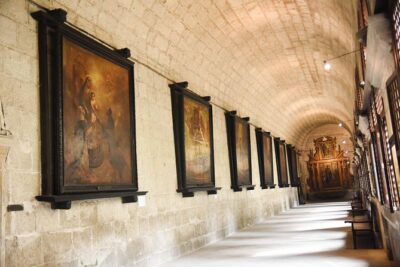
San Agustin Church stands out because it is among the oldest stone churches in the Philippines. That age shows in the feeling of the space. A guide helps you slow down just enough to notice architectural and historical significance, not just lighting and photo angles.
Important note: San Agustin Church is closed every Monday. If your visit lands on a Monday, plan to adjust your expectations and let the guide handle the on-the-fly changes. The tour still runs, but you may not get this exact stop.
Again, keep church etiquette in mind. The tour specifically asks for modest, comfortable clothing inside. You do not need formal wear, but you do need respect for the space.
Casa Manila Museum: A Replica That Makes Colonial Life Clearer
A major highlight for many people is Casa Manila, the museum housed in a replica of a colonial-era Spanish mansion. The stop is around 35 minutes, and admission for this part is listed as free.
I like Casa Manila because it does something practical. A replica house gives you scale and daily-life context. When the guide talks about the lifestyle of the Filipino elite during the Spanish colonial period, the rooms help the ideas stick. It is easier to understand social rules, household design, and what everyday comfort meant when you can actually stand inside the layout.
One key detail: Casa Manila is closed every Monday, so this is another reason to check the calendar before you book. If you can choose your day, aim for something other than Monday to get the full set of stops.
The Short Lamborghini-Style Paddle Bike Ride
The tour includes a short, optional fun moment: a Lamborghini-style paddle bike. It is essentially a three-wheel ride experience, and the best part is you will not need to do the paddling. Someone else handles the effort, so you can just enjoy the novelty and snap a few photos without turning the outing into a workout.
This is not a long activity, so do not think of it as entertainment replacing the historical content. It is more like a palate cleanser between heavier stops.
How Long It Feels, and Who This Tour Fits Best
The tour runs about 2 to 3 hours. Each major stop is fairly timed: Manila Cathedral about 35 minutes, San Agustin Church about 35 minutes, Fort Santiago about 45 minutes, and Casa Manila about 35 minutes. Other stops fit in around those anchors, keeping the total experience within a half-day plan.
Because it is a group tour with a maximum of 10 travelers, it is a good fit if you like discussion and questions. You are not stuck only watching the guide. You can actually ask for clarification, and that is a big part of why people come away feeling like they learned something meaningful.
Most travelers can participate, but you should expect a fair amount of walking on uneven old-street surfaces. If you have mobility limits, you might want to consider whether that walking time works for you, since the tour is built around a walking route.
Price and Value: What $55 Buys in Intramuros
The price is $55 per person, which is a reasonable ask for an organized walking tour that includes a local guide, a welcome bottle of water, and admission fees. Admission is listed as free for the included stops, which means you get guidance plus entry value without paying separately on the spot.
Two other points help with value. The tour uses a mobile ticket, which keeps things simple on arrival. It also notes group discounts, which can help if you are traveling with friends or family.
Does it feel like a bargain? If you are the type who wants context and likes to ask questions, yes. If you only want to take quick photos and do zero reading, a self-guided stroll might be cheaper. But you will miss the way the guide connects the dots across centuries and across the conflict story.
My practical take: for $55, you are paying for time-saving navigation plus storytelling that makes the sites click. In a place as layered as Intramuros, that is exactly what you want your money to buy.
Should You Book This Intramuros Walking Tour?
Book it if you want a focused walk through the biggest Intramuros landmarks with clear explanations, and if the Battle of Manila theme actually interests you. You will likely appreciate the way the guide layers places like Manila Cathedral, Fort Santiago, Rizal-area sites, and Casa Manila into one understandable storyline.
Skip or adjust if you are set on seeing Casa Manila and San Agustin Church and your trip day is Monday, since both are closed that day. Also, if bad weather crushes outdoor plans easily for you, keep your schedule flexible, since the tour requires good weather.
If you do book, wear comfortable shoes, pack something modest and breathable for church interiors, and bring a curious mindset. This tour does not just show you the walls, it helps you understand why Manila’s past still lives inside them.
Newest reviews around Luzon
- Private Airport Transfer Manila to Hotel in Manila or vice versa★ 5.0 · 3 reviews
- Sagada and Banaue Rice Terraces 4-Day Tour★ 5.0 · 4 reviews
- Manila Social and Political Walk★ 5.0 · 4 reviews
- Day Hike: Mount Daraitan plus Tinipak River start point Manila** updated 2022★ 5.0 · 4 reviews
- The Jeepney & Tuk Tuk Adventure ride with Local Guide★ 4.5 · 4 reviews
- Angeles City / Clark Airport to La Union (Bauang, San Fernando, San Juan)★ 3.5 · 4 reviews
- Personal Tour Guide in Manila Philippines★ 5.0 · 4 reviews
- The Oldest Chinatown in Manila with Local Guide★ 5.0 · 4 reviews
Intramuros, compared.
Intramuros, Manila: Historical Bamboo Bike Tour
Read our review →
Experience Intramuros with Bamboo Bicycle – Ecotours
Read our review →
Intramuros, Chinatown, and Old Manila Half-Day Tour
Read our review →
Manila Old and New: Sightseeing Tour Including Intramuros and Fort Santiago
Read our review →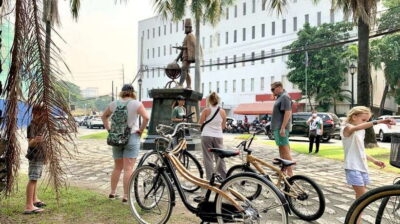

Explore Intramuros: Introduction to Philippine History
Read our review →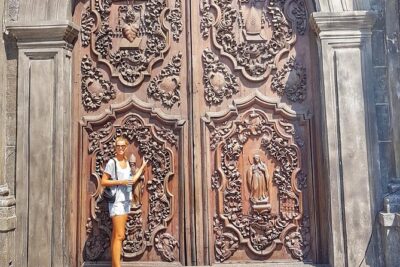
Experience Manila’s Heritage: Intramuros & More in Half a Day!
Read our review →Browse the lists this tour appears in