
Reviewed · WALKING TOURS
Manila Social and Political Walk
Manila can look like a collage of extremes, rich and poor, old and new, polished and broken. This walk is interesting because it treats those contrasts like clues, using social and political storytelling to help you read the city instead of just passing it by.
I also love the documentary-style flow. You get history and current events in the same storyline, and it stays framed as balanced and non-biased so you can form your own view. One thing to think about: this is information-heavy, so it is not the right pick if you want a light, casual stroll with minimal talking.
Key Highlights You Will Actually Feel
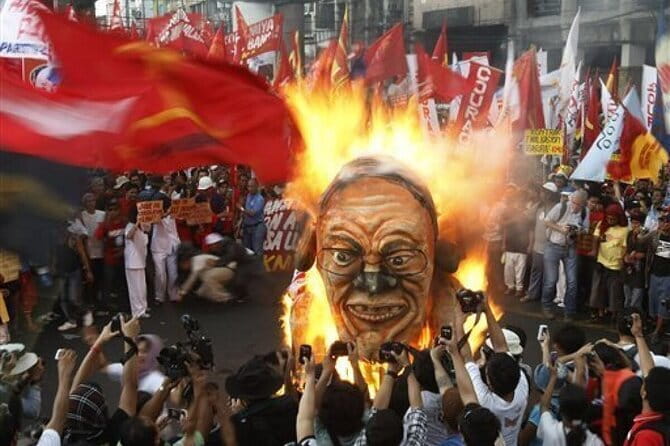
- Six big-mile markers in Metro Manila: Rockwell Center, Trump Tower area, Burgos Street, Poblacion, Pasig River, and Mandaluyong
- Interactive, documentary-like narration that links the past to today’s issues
- A focused theme, social and political change from the creation of the Filipino state to modern times
- A small-group cap of 30 that keeps it conversation-friendly
- Held in the evening with a 6:00 pm start, ideal for seeing Manila’s after-dark energy
- Admission ticket free at each stop so your budget stays under control
A Mini-Documentary on Manila’s Power, Money, and Daily Life
This experience is built like a guided story, not a checklist. The idea is simple: Manila’s neighborhoods are not random. Each one reflects decisions made by institutions, communities, and leaders, and those decisions leave visible traces on the streets.
What makes the format work is the balance. You are not pushed into one side of an argument. Instead, you get historical context plus current events, then you are left to judge for yourself. That is valuable, especially in a place where politics can feel personal because it shapes jobs, schools, housing, policing, and even what kind of nightlife you see.
You should also know the pace. It runs about 2 hours 30 minutes and is described as “information-heavy.” If you are the type who likes to ask why a city looks the way it does, you will get a lot out of it. If you are traveling for quick photos and coffee stops only, you might find the talking level higher than you expected.
More Walking Tours in Luzon
- Manila’s Walled City: Intramuros Walking Tour
★ 5.0 · 82 reviews - Manila Intramuros Walking tour with Local Tour Guide
★ 5.0 · 33 reviews - Intramuros & Chinatown Manila Tour – Walking, Food & Culture
★ 4.5 · 32 reviews
Price and Value: When $45.75 Feels Fair
At $45.75 per person, you are paying for more than a walk. You are paying for guided interpretation of social and political life, with a storyline that connects multiple parts of Metro Manila.
Here’s what makes it feel like decent value:
- The group is capped at 30 travelers, which typically means you get more direct engagement than large bus tours.
- Each stop includes admission ticket free time, so you are not stuck paying extra fees as you go.
- The total time is long enough for context, not just a rapid “look here, next stop” run.
Also, because the meeting time is 6:00 pm, you are using prime evening hours for perspective. Manila at night often shows you what day tours miss: street activity, social rhythm, and the mood of neighborhoods right when they come alive.
Evening Logistics: Where to Meet and How the Flow Works
You meet at Starbucks One Rockwell, on Rockwell Dr in Makati City. The tour ends back at that same meeting point, so you are not left guessing how to get home after.
It starts at 6:00 pm and is about 2 hours 30 minutes total, with timing described as approximate. Since the experience depends on good weather, plan for the fact that it may shift dates or be refunded if conditions are poor.
One practical tip: because this is an evening walk, wear shoes you trust. The focus is on learning while moving between neighborhoods, not sitting down to rest every 15 minutes.
Rockwell Center: A Lesson in Urban Wealth and Branding
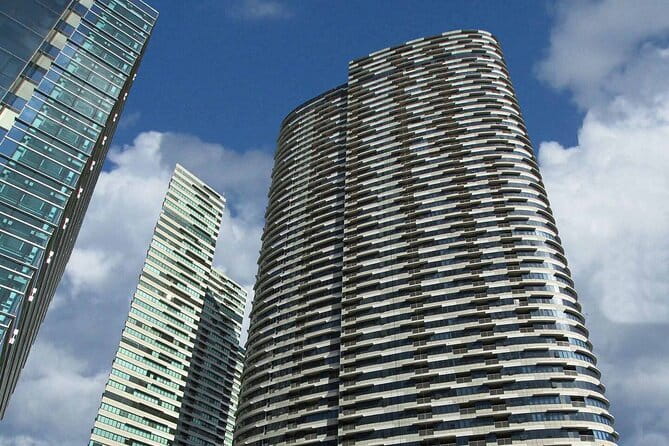
Your first stop is Rockwell Center, a premier upscale urban enclave. If you want to understand Manila’s social layers, starting here makes sense. This area tells a story about consumer culture, “global city” style development, and how money can reshape space.
Even if you are not shopping, look at the contrast. Rockwell feels designed, controlled, and polished compared to older street patterns nearby. That is the point. Urban planning is never neutral, and places like this become visible evidence of who gets catered to, where infrastructure goes, and how “progress” is defined.
Potential drawback: if you already know you are sensitive to seeing luxury-first zones right at the start, it might feel like a shock before you get the deeper context. I actually think that tension is useful, because it sharpens your attention later when the route moves toward places facing different constraints.
Something else entirely, still out of Luzon:
- Manila Old and New: Sightseeing Tour Including Intramuros and Fort Santiago
★ 4.5 · 377 reviews - Manila Filipino Cooking Class: Meryenda Favorites
★ 5.0 · 80 reviews - Batad Guided Tour
★ 5.0 · 78 reviews - Manila Super Saver: Manila Sightseeing plus Tagaytay Tour with Taal Volcano
★ 4.0 · 75 reviews
Trump Tower at Century City: Opulence as a Political Signal
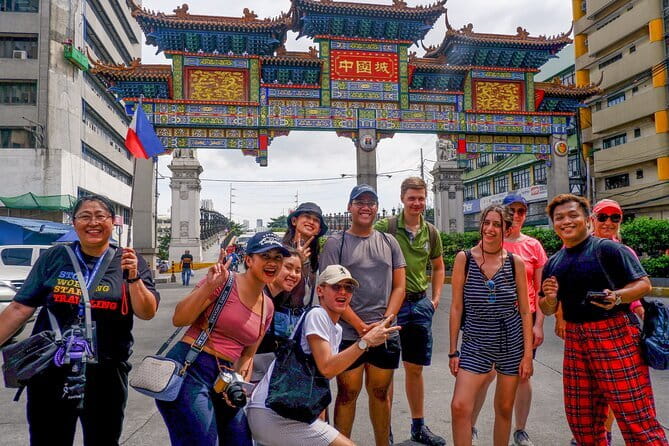
Next up is the Trump Tower at Century City area. The tower itself is a symbol, and symbols matter in politics. When you see a high-profile brand or celebrity-linked development anchored in a skyline, it reflects more than taste. It can point to influence, investment flows, and how power tries to look permanent.
This stop is also a reminder that globalization shows up in architecture. You are not only looking at a building. You are looking at how narratives get exported and repackaged locally, and how that affects local perceptions of success and status.
What to do on this stop: treat it like a prompt. Ask yourself what this kind of property says to residents who live far from it. The best walks make you connect details to larger themes, and this one is built for that.
P. Burgos Street: Food, Nightlife, and the Politics of Public Space
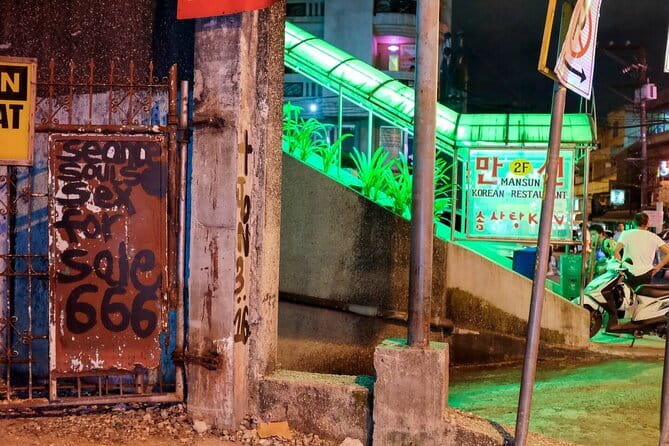
Then you head to P. Burgos Street in Makati. This is where the tour shifts from skyline symbolism to the social life of a busy thoroughfare. The area is known for restaurants, bars, and nightlife, and that matters because “public space” is never just public.
Nightlife corridors often reveal how economies work on the ground. Who can afford to live nearby. Who profits from the scene. Who works the scene. And what kinds of regulations shape who is welcome and when.
One useful way to experience this stop is to focus on movement and consumption. Watch the rhythm of people coming and going, then connect it to the broader theme of social opportunity and inequality.
Poblacion: Where “Modern” Meets Manila’s Edges
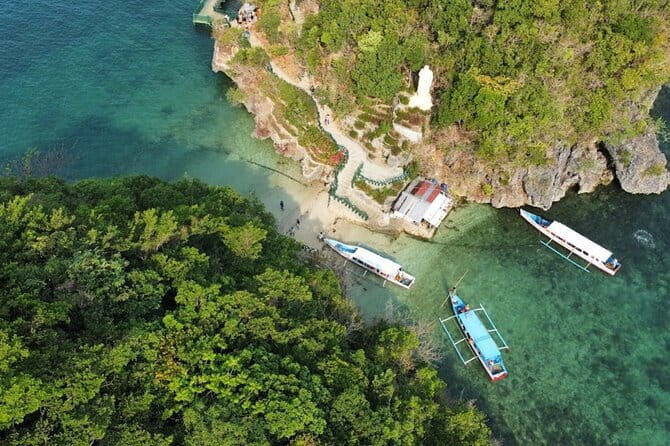
Your next stop is Poblacion, a neighborhood known for historic charm alongside trendy cafes, street art, and lively nightlife. This is a classic place to think about change over time. Artistic scenes and hip cafes often arrive as a signal of shifting demographics, and that can bring energy, but it can also bring pressure.
Street art and cafes can feel like lifestyle markers. But in a social and political walk, they are also indicators of who has cultural power right now. You might notice how the atmosphere communicates identity and belonging, and that can lead directly into questions about development, community preservation, and who benefits from renewal.
If you are hoping for a “quiet history museum” vibe, this stop will be a little louder and more street-forward. That’s not a problem. It is part of the point: politics is not only in textbooks. It shows up in how neighborhoods evolve.
Pasig River: The State of a Nation Written in Water
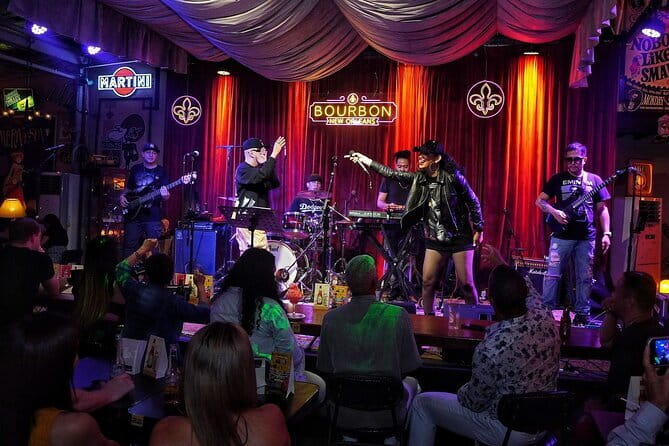
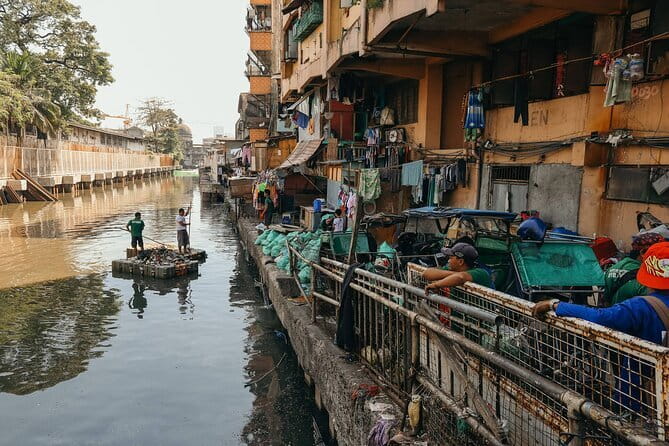
Next is the Pasig River. Once a vital artery for trade and transportation, it is now dealing with pollution and neglect. That is a heavy theme, but it is exactly where this walk earns its weight.
Rivers often act like a living archive. When water quality declines, it is usually tied to decisions about enforcement, industry, waste management, and long-term planning. When the river loses its role as a transportation route, that shift affects livelihoods and urban connection too.
At this stop, slow down and look for clues. Think about what it means for a city when an essential natural system is treated as an afterthought. The tour’s documentary-style narration should help you connect that to the broader storyline of state-building and governance, not just local environmental issues.
Mandaluyong: Business Districts and the City’s Engine Room
Finally, you reach Mandaluyong City, set within the wider Metro Manila urban landscape and known for skyscrapers and a thriving business district. This stop tends to bring things back to structure. It is a reminder that economies are built on networks, and those networks shape what people can do and where they can go.
Skyscrapers are not just views. They are evidence of investment priorities and labor demand. They also reflect who the city expects to attract: workers, companies, and capital.
If you have enjoyed the earlier stops, Mandaluyong can feel like a “systems” finish. You started with wealth and branding, then moved through nightlife and neighborhood change, then ended with a major natural feature and the engine of business.
The Guide Factor: Why Alex’s Passion Changes the Whole Walk
One of the strongest pieces of feedback attached to this experience is about the guide, Alex. The praise is consistent: Alex is knowledgeable and passionate about the Philippines, with a special focus on Manila’s contrasts and challenges.
Even more important, the walk aims to cover history and real-life pressures that often do not show up on standard tourist itineraries. That matters because Manila is not just a set of sights. It is a place where politics and social outcomes show up in daily life. A guide who connects those dots can turn streets into explanations, and explanations into better questions.
If you are trying to understand Manila like a resident rather than like a passing visitor, this is the kind of guiding that helps.
Who This Walk Is Best For
This is a smart fit if you:
- Like social and political topics, and you want context, not slogans
- Enjoy walking tours where the story matters as much as the stops
- Want first-hand research style thinking, meaning you arrive with questions and you leave with sharper ones
It may not be ideal if you:
- Prefer light sightseeing with minimal interpretation
- Get impatient with an information-heavy experience
- Want to spend the evening mainly eating and wandering without structured narration
Weather, Timing, and Comfort: Simple Planning That Helps
Because the experience requires good weather, keep an eye on evening conditions. If weather cancels it, you should expect a different date offer or a full refund.
Wear comfortable shoes and plan to be on your feet for most of the 2.5 hours. The tour ends where it starts, which keeps things straightforward if you are trying to map an evening plan.
Should You Book the Manila Social and Political Walk?
I’d book it if you want Manila with context. The biggest selling point is the approach: documentary-style narration that connects the creation of the Filipino state, modern events, and everyday neighborhood signals. You also get a sensible structure with six specific stops that span wealth, branding, nightlife economies, the Pasig River, and the business district pulse.
I would skip it if you are looking for a casual, low-talk walk or you are tired of politics on vacation. This is not a “just show me the landmarks” experience. It is a guided way to think, and it rewards curiosity.
If you fit the curiosity profile, this is a strong value at $45.75 for a small-group, evening, story-driven walk that turns Manila into a readable story instead of a blur of streets.
FAQ
How long is the Manila Social and Political Walk?
It lasts about 2 hours 30 minutes (approx.).
Where does the tour start and where does it end?
The meeting point is Starbucks One Rockwell, Rockwell Dr, Makati City, Metro Manila. The tour ends back at the meeting point.
What is the tour price?
The price is $45.75 per person.
Do I get a mobile ticket?
Yes, the experience includes a mobile ticket.
How many people are in the group?
There is a maximum of 30 travelers.
Is it dependent on weather?
Yes. It requires good weather, and if it is canceled due to poor weather, you will be offered a different date or a full refund.
Newest reviews around Luzon
- Private Airport Transfer Manila to Hotel in Manila or vice versa★ 5.0 · 3 reviews
- Sagada and Banaue Rice Terraces 4-Day Tour★ 5.0 · 4 reviews
- Day Hike: Mount Daraitan plus Tinipak River start point Manila** updated 2022★ 5.0 · 4 reviews
- The Jeepney & Tuk Tuk Adventure ride with Local Guide★ 4.5 · 4 reviews
- Angeles City / Clark Airport to La Union (Bauang, San Fernando, San Juan)★ 3.5 · 4 reviews
- Personal Tour Guide in Manila Philippines★ 5.0 · 4 reviews
- The Oldest Chinatown in Manila with Local Guide★ 5.0 · 4 reviews
- Manila Food Tour Experience with Local Guide★ 5.0 · 4 reviews
Walking Tours, compared.
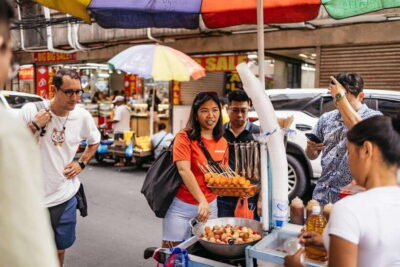
Street Food and Drinks Walking Tour with Tastings
Read our review →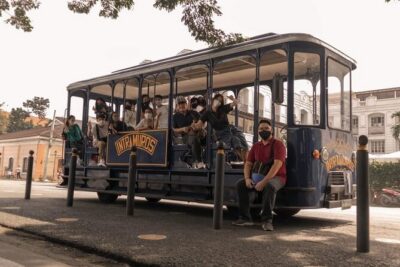
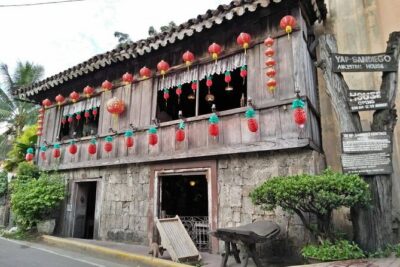
The Original Cebu City Historical and Food Walking Tour
Read our review →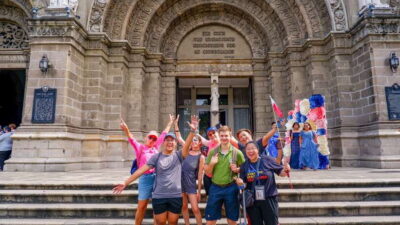
Intramuros Walking Tour with Transportation by Don’t Skip Manila
Read our review →
Manila Intramuros Walking tour with Local Tour Guide
Read our review →Browse the lists this tour appears in