
Reviewed · HISTORICAL TOURS
Cebu City: Historical Street and Food Tour
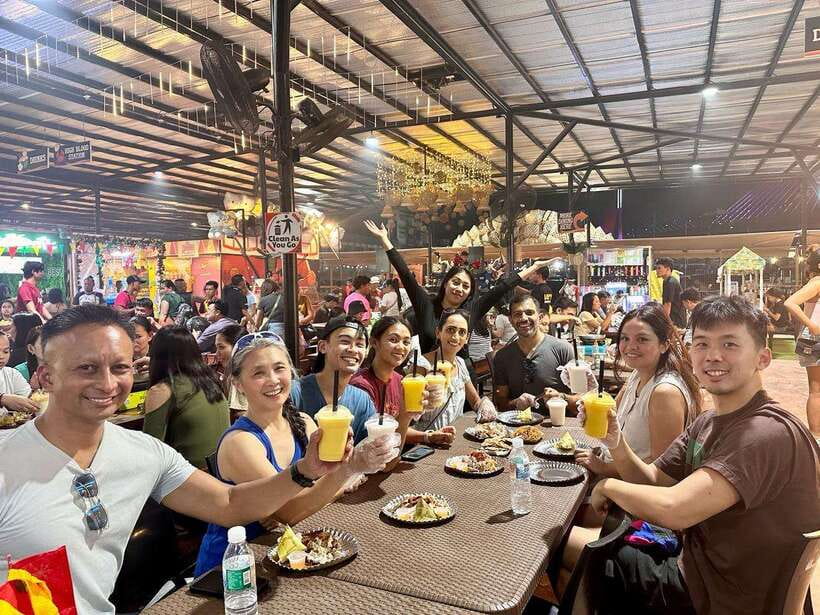
Cebu City is a rare mix of old Spanish-era landmarks and very real street life, and this 3 hour walk lets you see both without getting lost. The tour pairs key sights like Magellan’s Cross and the Yap Sandiego Ancestral House with food stops where you can actually eat what local Cebu tastes like.
I particularly like how the guide work is a big part of the value, with strong English and high energy. In the reviews, guides like Kyle, Philip, and Nescian get praised for explaining what you are seeing in a way that makes the streets feel alive, not like a history list.
One possible drawback is the price, about $90, and if you are the kind of traveler who is happy to roam solo and snack without structure, you might feel the cost is high for just 3 hours. Also, balut is not a small decision, it is very much a get in, try it, commit moment.
Key Things You Will Notice on This Cebu Walk
- Balut is the star, and you learn how it fits into everyday Cebu food culture
- A tight 3 hour route that hits multiple 1500s and 1600s landmarks without dragging
- Coral stone architecture at Yap Sandiego House (1680), with Chinese and Spanish influences you can spot
- Church history that goes back to 1565, including the oldest Roman Catholic church in the Philippines
- Carbon Market and the Spanish coal story, plus orientation near Colon street
- Small group energy, limited to 10, which keeps questions and pacing easy
Cebu’s Old Streets, Real Food, and the Fun of a Short Guided Route
This tour works because it does two things at once: it gives you a guided path through Cebu’s historic core, and it gives you food stops that make the whole experience taste like the city. You are not just looking at photos, you are moving street by street with someone explaining why those walls and churches matter.
I also like the pace. In 3 hours, you cover enough ground that you come away with a real sense of Cebu’s timeline, from early Spanish contact to Spanish settlement and Catholic expansion. And because it is a small group (up to 10), you usually get to ask questions without feeling rushed.
The best part is that the food fits the history. You start around a local food market, then you walk into a string of major sites, finishing with more church and cathedral sights. You do not feel like you are pausing for snacks, it feels like food is part of the story.
More City Tours in Cebu
- Cebu City: Whale Shark Swimming & Kawasan Falls Canyoneering
★ 4.7 · 665 reviews - Cebu City: City and Mountain Highlights Tour
★ 4.6 · 85 reviews - Small Group Cebu City And Uphill Mountain Tour
★ 4.1 · 59 reviews
Your 3-Hour Route: From Cebu Farmers Market to the Cathedral Rebuilt After WWII
You begin by meeting your guide and checking in with the group. You will follow the guide through the central area on foot, with the stops set up so you can connect what you eat to where you are standing.
The first chunk focuses on Cebu’s food and daily life. You head to the Cebu Farmers Market, then you move into other street food areas while learning history along the way.
Next you shift into major heritage stops. You visit the Heritage of Cebu Monument for its metal sculptures, then you go to the Yap Sandiego Ancestral House (built from coral stone in 1680). After that, the route takes you to Basilica Minore del Sto. Nino de Cebu, which is tied to the oldest Roman Catholic church in the Philippines built in 1565.
Then you move through the Spanish era landmarks. You reach Carbon Market, named from the Spanish word for coal, and you continue to Magellan’s Cross, where explorers placed a Christian cross in 1521. From there, you walk to the Cebu Metropolitan Cathedral, which was destroyed during the Second World War and rebuilt in the 1950s.
The tour ends back at a point where you can get to your accommodation. If you want to keep the rest of your day free, this is one of those tours that does not eat your whole afternoon.
Cebu Farmers Market Bites and Why They Set the Tone
The tour starts at Cebu Farmers Market, which is a smart move. You get food context early, so when you later hear about Spanish-era Cebu, you are not only picturing old buildings. You are also picturing how people actually live and eat in the city.
You learn about local food with your guide before you start sampling. That matters, because street food can feel random if nobody helps you decode what you are looking at. Here, you are told what you are eating and how it is typically served.
Balut is the key tasting item on this tour. You try balut, a boiled salted duck egg, traditionally eaten with salt. If you are curious but nervous, I like that the guide frames it as a normal local food rather than a dare.
If you hate surprises, you should know balut is not optional in the sense that it is part of the tour’s food plan. You can be selective in what you take, but balut is absolutely one of the headline tastings, and your comfort level matters.
Heritage of Cebu Monument, Metal Sculptures, and the Story Behind the Stones
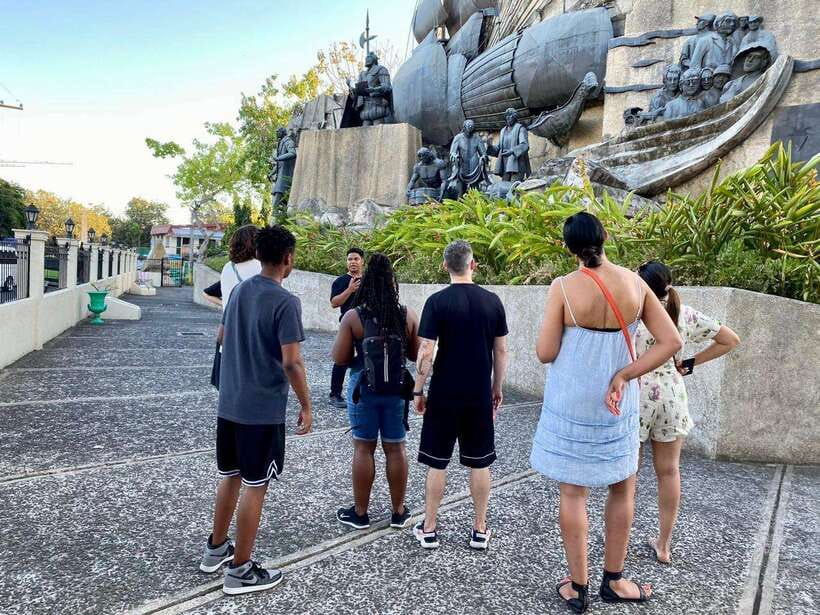
A stop at the Heritage of Cebu Monument adds a different kind of historic meaning. Instead of focusing only on churches and old houses, you get a visual reminder that Cebu’s identity is being actively remembered, shaped, and shared.
The monument includes metal sculptures, and seeing that craft in the middle of the city helps you understand that history is not locked behind glass. It is being interpreted in public spaces where locals and visitors mix.
This is also a breather in the walk. You get a moment to pause, look around, and get your bearings, which helps when the tour then moves into concentrated heritage sites.
More Historical Tours in Cebu
- Cebu City Heritage with Uphill Tour
★ 3.6 · 22 reviews - Cebu City: Historical, Local Cuisine & Mountain Guided Tour
★ 3.8 · 12 reviews - Cebu: Exploring Cebu City’s rich history and Uphill Tour
★ 4.8 · 11 reviews - Cebu: Guided Heritage City Tour
★ 3.3 · 8 reviews
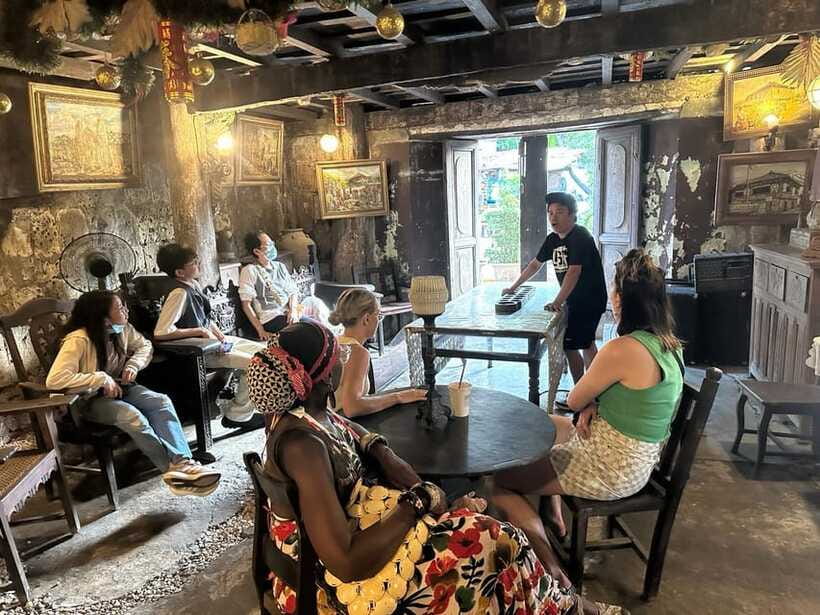
Yap Sandiego Ancestral House (1680): Coral Stone, Chinese-Spanish Style, and What to Look For
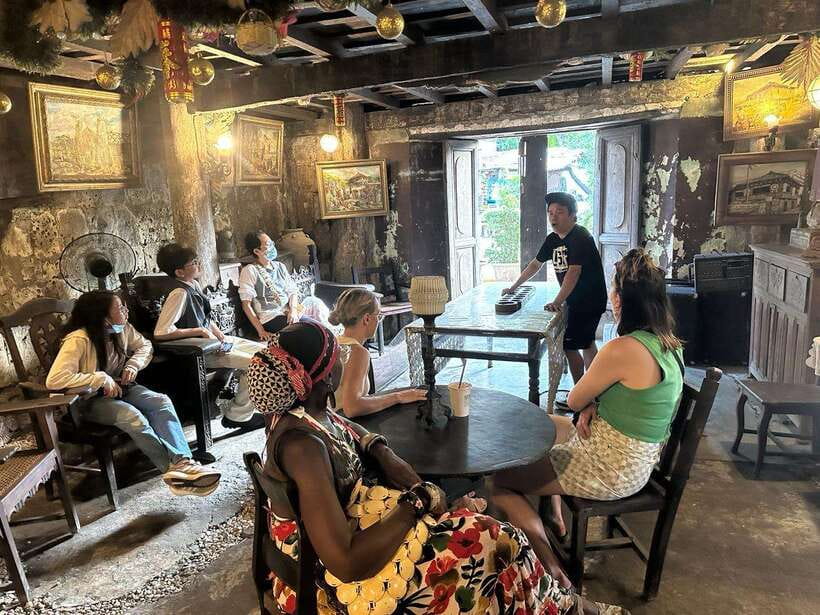
The Yap Sandiego Ancestral House, built from coral stone in 1680, is one of the most memorable stops for a very practical reason. It is photogenic, yes, but it also teaches you how to “read” old architecture as a blend of influences.
When you arrive, your guide focuses attention on the way the house reflects Chinese and Spanish architecture. You do not need to be an architecture expert. The guide points you toward what to notice, and that makes the house feel like a clue, not just a landmark.
Why this matters for you as a visitor: houses like this can turn “historical” into “vague” if you are rushing. With a guide, you slow down just enough to understand why coral stone was used and why the design carries mixed heritage.
One small practical tip: coral stone and old surfaces can be uneven underfoot around heritage buildings. Comfortable shoes really help here, and the tour’s walking style makes footwear a serious factor.
Basilica Minore del Sto. Nino de Cebu (1565): The Oldest Catholic Church Feeling Real
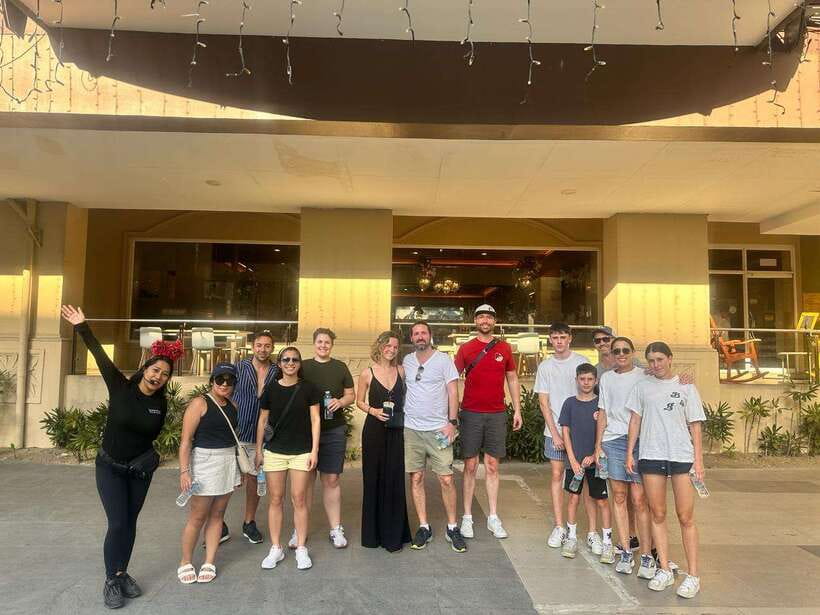
You then go to Basilica Minore del Sto. Nino de Cebu, tied to the oldest Roman Catholic Church in the Philippines built in 1565. This is the kind of site where time stacks quickly in your mind, because it is not a one-building snapshot. It is part of a longer story.
What I like about this stop is that it is not just about the year. Your guide connects the church to Cebu’s early Spanish-era Catholic presence, so you understand why this place became central.
The basilica also gives you that “still living” feeling. Churches like this are often active religious spaces, so it is best to keep your tone respectful and your time flexible.
If you are tired of churches, this one can still work because the guide’s explanations give you a framework. You are seeing where Christianity took root in the Philippines, but you are also seeing Cebu’s role as a meeting point for cultures.
Carbon Market, Magellan’s Cross, and the Cathedral Rebuilt in the 1950s
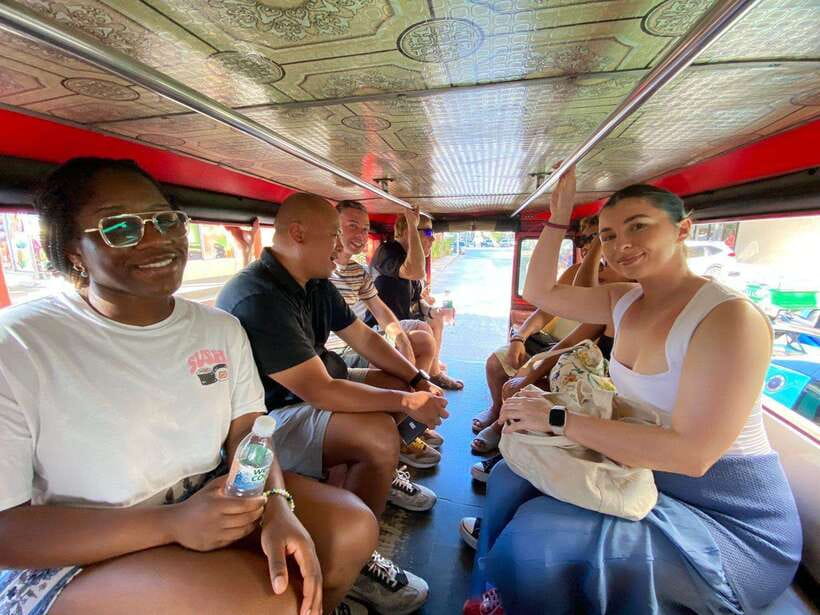
Next comes Carbon Market, a stop with a simple detail that makes it memorable. The name comes from the Spanish word for coal, which instantly helps you picture the area’s older economic role.
From there, you head to Magellan’s Cross, the site where Spanish explorers placed a Christian cross in 1521. This is one of those moments where the guide’s framing matters, because the landmark is famous, but the meaning can get lost if you just rush through with your phone out.
After Magellan’s Cross, you walk to the Cebu Metropolitan Cathedral. This cathedral has a heavier story because it was destroyed during the Second World War and rebuilt in the 1950s. So you are not only seeing “old,” you are seeing resilience and rebuilding layered over older roots.
A nice extra detail from the reviews: some guides also help you feel confident moving through the area around Carbon Market and Colon street. Even if you never ride anywhere, that orientation reduces the stress of being in a busy part of town.
Street Food After History: How to Eat Without Missing the Meaning
Food on this tour is not just about filling up. It is part of the learning rhythm, and it happens alongside site viewing.
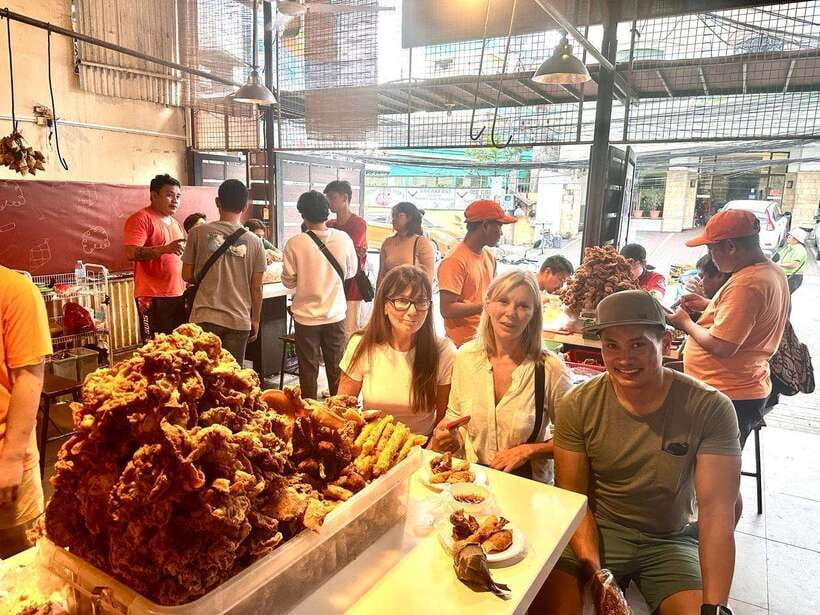
You sample Filipino street food known for bold flavor combinations. The tour emphasizes the taste of Cebu rather than generic snacks, and it keeps you moving so you do not stall out during the walk.
What to expect practically: you should plan on eating small portions at multiple stops. Your guide helps pace it, so you are not overwhelmed all at once.
Bring cash if you can. Even with a guided tasting format, markets and street vendors often work faster when you have small bills ready. And keep in mind you will be outdoors as the tour runs in rain or shine.
Guide Energy, English Explanations, and Why Small Group Size Helps
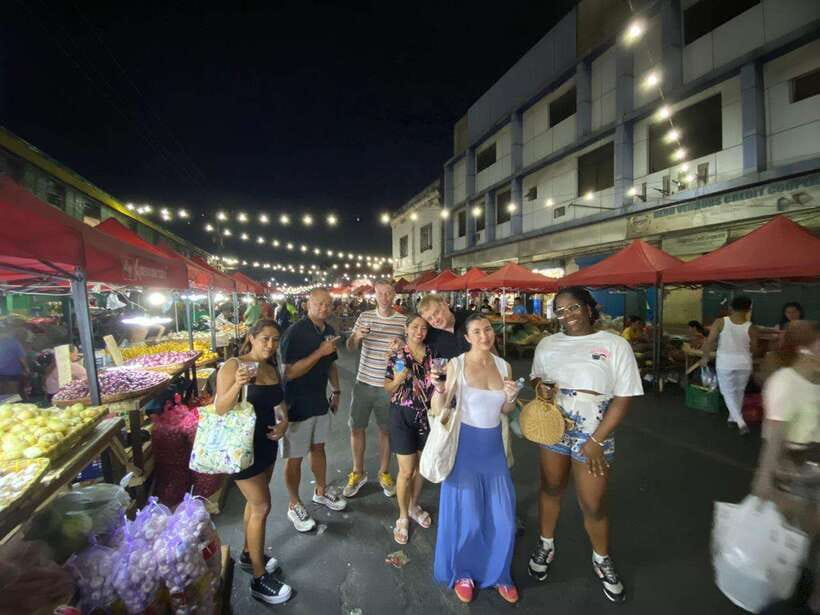
This is a small-group tour limited to 10 participants, and that detail matters more than it sounds. With fewer people, the guide can adjust the pace if someone has questions about a church, a house, or the Spanish-era storyline.
The reviews heavily praise the guides for energy and English quality. Names that came up include Kyle, Philip, and Nescian, and that is a good sign if you care about understanding what you see rather than just collecting landmarks.
If you are a solo traveler, this matters even more. One review specifically notes the guide ensured a solo guest could safely catch a taxi home, which is the kind of care that makes a tour feel safer and more comfortable.
Also, you should expect to walk. Comfortable clothes help, but comfortable shoes do the real work. You will also want your camera ready, because multiple stops are built for photos.
One more practical detail: no jewelry is listed as allowed. That is easy to follow, and it also reduces the chance of unwanted attention while you are in busy market and street areas.
Price and Value: Is $90 for 3 Hours Worth It?
At $90 per person for about 3 hours, this tour sits in the midrange to higher end for a walking experience. So it is fair to ask if the value matches the price.
Here is the honest way I see it. You are paying for (1) a live English-speaking guide, (2) a tight itinerary that strings together the biggest Cebu landmarks, and (3) structured food tastings like balut plus other street food stops. If you want the route organized and explained, the guide saves you time and confusion.
But if you are the type who can map things quickly and you are comfortable figuring food out on your own, you might feel you could recreate most of it solo. One review even points out that the food did not feel worth the price to them.
My rule of thumb for you: book it if you want context plus tasting in a short window, especially if it is your first time in Cebu City. Skip or compare if you mainly want to browse casually and you hate the idea of paying for someone to guide the route.
Who This Tour Suits Best (and Who Might Want a Different Plan)
This tour fits best if you want history and food tied together, not separated into two different days. You should also like walking through central Cebu and you should be okay with outdoor time in changing weather.
It is a strong match for first-time visitors who feel overwhelmed by famous sites and want a simple plan. It is also helpful for solo travelers, since the small group format and guide support can reduce stress around getting around.
You might think twice if you are not interested in balut or you are very sensitive to paying near $100 for a short experience. Also, if you prefer flexible roaming with no set stops, a guided walking route may feel limiting.
Should You Book Cebu City Historical Street and Food Tour?
I think you should book this tour if you want a structured, short way to get the Cebu story, with tastings as part of the pacing. The standout value is the combination of major heritage sites and real street food, especially the chance to try balut in a guided, context-rich way.
Book it especially if you benefit from strong English explanations and you like a guide who keeps the energy up. If you want a low-stress introduction to central Cebu in half a day, this fits.
If the idea of balut makes you queasy, or if you are determined to DIY every meal and route, then you might get less value from a guided format. In that case, you could still explore Cebu on your own, just plan your route and food research carefully.
FAQ
How long is the Cebu City Historical Street and Food Tour?
The tour lasts 3 hours.
How much does the tour cost?
The price is $90 per person.
Is the tour guided in English?
Yes, the live tour guide speaks English.
How many people are in the group?
It is a small group with a limit of 10 participants.
Is hotel transfer included?
No hotel transfer is included. Pickup is included, and you should wait in the designated area where the guide will be holding a piece of paper with your name.
What kind of food will I try on the tour?
You will sample local delicacies and street food, including balut, a boiled salted duck egg traditionally eaten with salt.
Does the tour operate rain or shine, and can I cancel for a refund?
Yes, it runs rain or shine. You can cancel up to 24 hours in advance for a full refund.
More Food & Drink in Cebu City
- Cebu City: A Food Adventure Through City Streets
★ 2.2 · 3 reviews - Manila Food Tour: Introduction to Philippine Street Food
★ 5.0 · 417 reviews - Boracay Sunset Cruise with Party DJ & Unlimited Food and Drinks
★ 5.0 · 211 reviews - Manila Food Tour: Explore World’s Oldest Chinatown
★ 5.0 · 158 reviews
More Historical Tours in Cebu City
- Cebu and Mactan: Twin City Culture and History Half-Day Tour
★ 4.8 · 4 reviews - Cebu: Heritage Half-Day Tour: Explore Historic Landmarks
★ 4.3 · 3 reviews - CEBU #1: Cebu City Heritage Tour w Hillyland Ecotour Combi
★ 5.0 · 3 reviews - Intramuros, Manila: Historical Bamboo Bike Tour
★ 4.8 · 583 reviews
Newest reviews around Cebu City
- Cebu and Mactan: Twin City Culture and History Half-Day Tour★ 4.8 · 4 reviews
- Small Group Cebu City And Uphill Mountain Tour★ 4.1 · 59 reviews
- Cebu: Oslob Whaleshark Experience & Canyoneering Adventure★ 3.5 · 4 reviews
- Oslob Whale Shark Swimming & Kawasan Falls Canyoneering★ 4.6 · 16 reviews
- Cebu City: Whale Shark Swimming & Kawasan Falls Canyoneering★ 4.7 · 665 reviews
- Cebu: Oslob Whale Sharks, Moalboal Sardine Run & Turtles★ 4.6 · 148 reviews
- Moalboal: Sardine Run, Turtles and Pescador Island Hopping★ 4.4 · 19 reviews
- Moalboal Sardine Run, Sea Turtle & Mantayupan Falls★ 4.6 · 15 reviews
Historical Tours, compared.
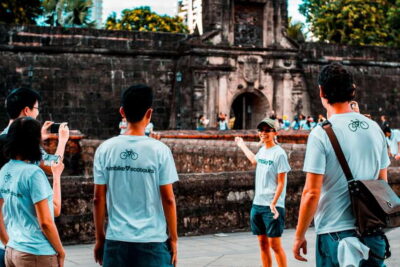
Intramuros, Manila: Historical Bamboo Bike Tour
Read our review →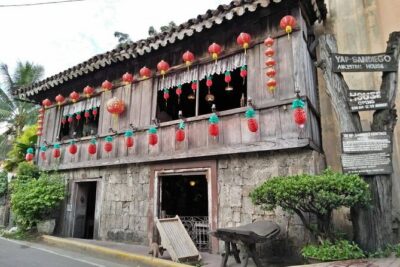
The Original Cebu City Historical and Food Walking Tour
Read our review →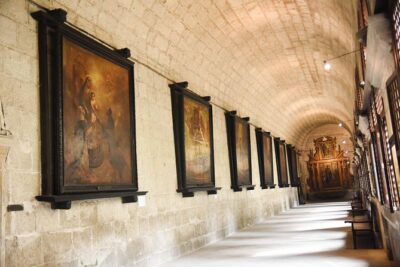
Explore Intramuros: Introduction to Philippine History
Read our review →
Experience Manila’s Heritage: Intramuros & More in Half a Day!
Read our review →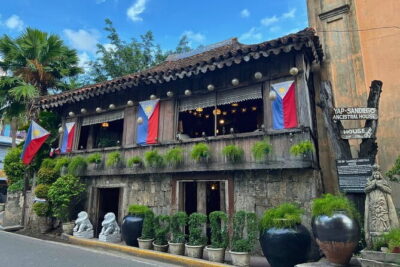
Exploring Cebu City’s rich history and Uphill Tour
Read our review →
Tagaytay, Taal Volcano & Heritage Town: A Journey of Discovery
Read our review →Browse the lists this tour appears in