
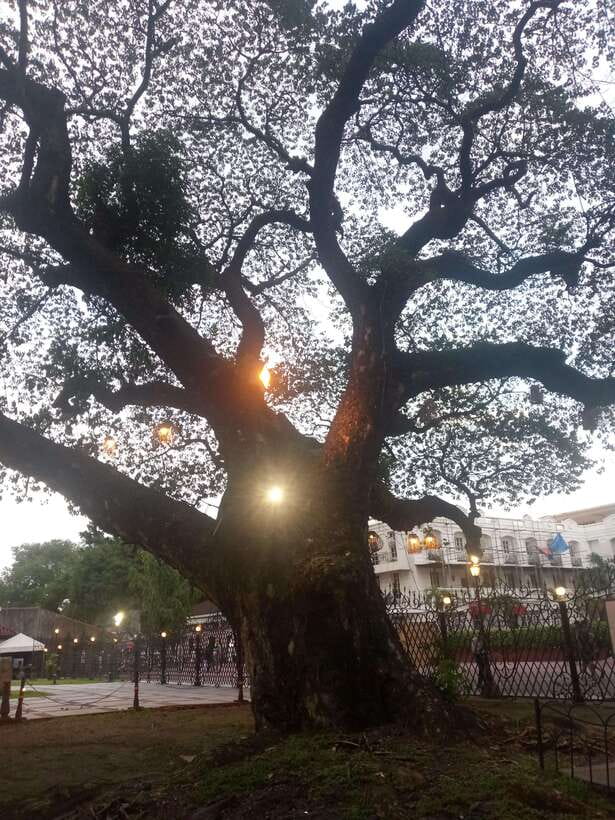
Reviewed · INTRAMUROS
Manila: Intramuros Tour ( Dark)
This tour is interesting because it takes you into the parts of Intramuros that most visitors race past, then slows down to explain the human stories behind the stones. You’ll start at Fort Santiago and hear haunted-style narratives tied to real events from Old Manila.
What I like most is the focus on specific places you can actually stand inside, like the areas linked with the dungeons and confinement stories. I also like that the guide ties the darker details to the people who resisted, survived, and rebuilt, so it does not feel like pure shock.
One consideration: it is a walking tour with a serious tone, so bring comfortable shoes, and note it is not suitable for children under 12, pregnant women, or people with mobility limits.
Key Things That Make This Intramuros Dark Tour Worth Your Time
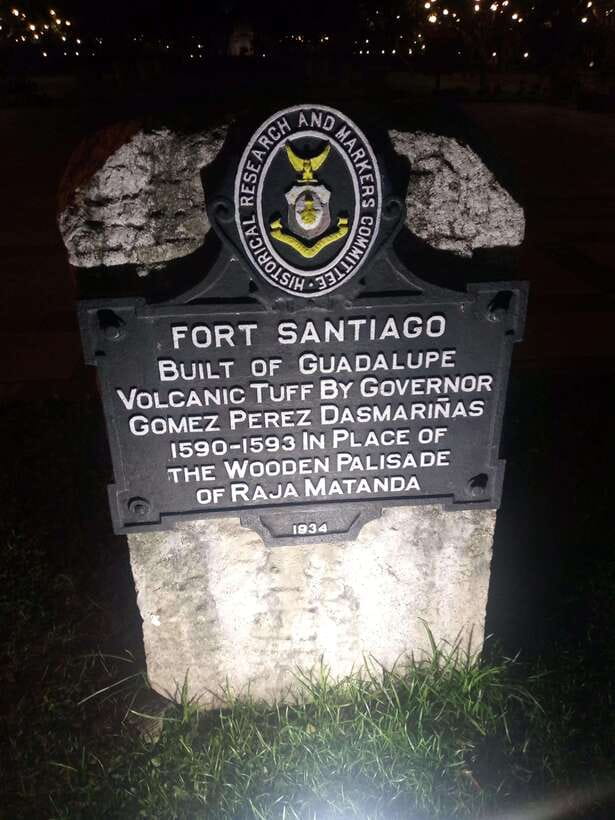
- Fort Santiago as the starting anchor, with guided views of sites tied to prison and legend
- Stories that name real figures like Rajah Sulayman, Andres Novales, Gen. Vicente Lim, and Jose Rizal
- A heavy focus on captivity and civilian harm, including stories connected to the death of 600 Filipino and American POWs
- Stops at major churches, including Manila Cathedral and Saint Agustin Church, with an emphasis on power struggles
- Revolutionary pay-it-forward moments, including Andres Bonifacio and forgotten revolutionaries at the Bonifacio Shrine
- A guide you can ask questions to, offered in English or German, and run as a private group
Fort Santiago at the Gate of Old Manila
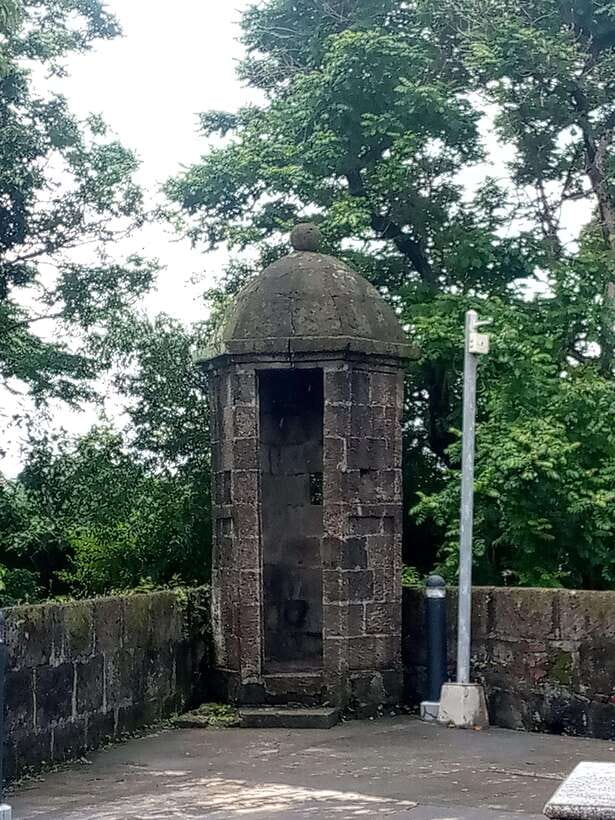
Intramuros is the walled core of Manila, and Fort Santiago is the place where that story gets sharp. You meet at Fort Santiago, then your guide sets the mood fast, mixing history with the kind of spine-tingling local storytelling you can almost feel in the thick walls.
I like that the tour does not treat the fort like a museum exhibit. It’s more like a guided route through places people were punished, imprisoned, or organized from, and that makes the setting click in your head.
Because it is a walking tour, you will want to keep your energy for the route. If you rush, you’ll miss the point, since the tour is built around short explanations that land right where you’re standing.
More of Intramuros:
- Intramuros, Manila: Historical Bamboo Bike Tour
★ 4.8 · 583 reviews - Experience Intramuros with Bamboo Bicycle – Ecotours
★ 5.0 · 508 reviews - Manila: Intramuros, Chinatown, and Old Manila Half-Day Tour
★ 4.8 · 475 reviews
Dungeons, Barracks, and the Stories Behind the Dark
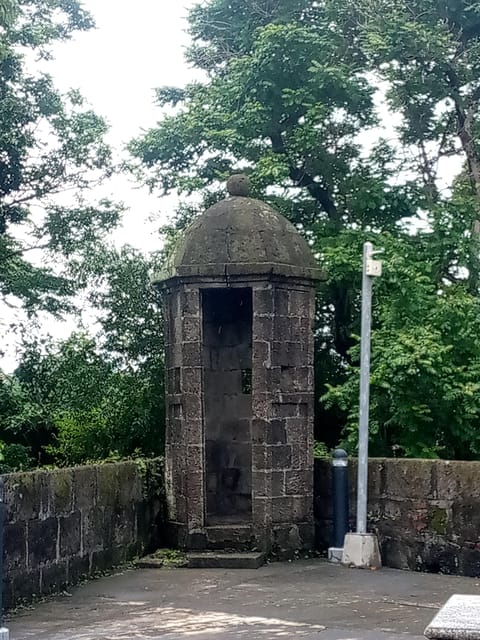
Fort Santiago is where you get the strongest “dark tour” feel. You will glimpse areas described as Old American Barracks, dungeons, and the Baluartes, which are part of the local spirit sightings people talk about around Intramuros.
You do not need to buy into the supernatural angle to get value here. Even if you treat the haunted parts as folklore, the guide uses them to point you toward real themes: occupation, conflict, forced control, and how fear shaped daily life.
The tour also leans into atmosphere in a practical way. You may hear about the dungeons as places with a reputation for thin oxygen, which is a reminder that imprisonment was not just psychological, it was physical too. When a guide frames confinement like that, you feel how small details like air, light, and space matter.
If you’re sensitive to grim topics, this part will be intense. You should mentally decide ahead of time that this is a remembrance-focused tour, not a scare show.
Who the Guide Lifts Up: Heroes from Rajah Sulayman to Gen. Vicente Lim
One thing I appreciate is how the tour names people across time, so you see Intramuros as a layered stage, not one single period. You’ll hear about unsung patriots from the pre-Hispanic era through the Japanese occupation.
From the stories you’ll encounter, the names Rajah Sulayman, Andres Novales, and Gen. Vicente Lim show up as key anchors. You get the sense that the guide is trying to rebalance who gets remembered and why.
This is also where the tour’s emotional logic works. The guide does not jump straight from a haunted claim to a modern selfie moment. Instead, each stop links back to the idea that ordinary people paid a price, and other people tried to fight back or survive it.
A small practical tip: if you want the tour to stick, listen for the names, then take a photo of the place right after the name is mentioned. It helps your brain map the story to the site.
Jose Rizal’s Last Prison Cell and the Cost of War
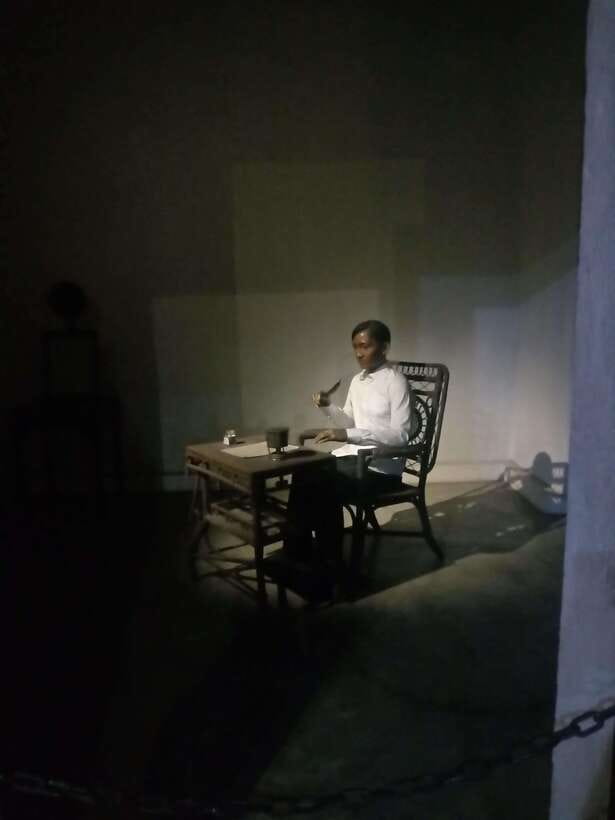
You’ll visit the last prison cell of Dr. Jose Rizal, where he was detained. This stop carries a lot of weight in the route because Rizal is not just a name, he is a symbol of reform and nation-building that the guide connects to the narratives that shaped the country.
Next comes one of the tour’s toughest sequences. You’ll walk in chambers tied to the death of 600 Filipino and American civilian prisoners of war, and you pay tribute to their mass grave.
I like how this is handled as remembrance rather than spectacle. You do not just hear the number and move on. The tour gives you a moment to acknowledge what happened and why it mattered.
If you’re the type who gets affected by war stories, take your time here. Also, keep your water in hand. You’re walking, listening, and absorbing heavy material, and your body needs basic support.
A few other Manila trips to line up
- Manila: Old & New 4-Hour City Tour
★ 4.5 · 458 reviews - Manila Food Tour: Introduction to Philippine Street Food
★ 5.0 · 417 reviews - Spectacular Manila to Tagaytay: Full-Day Sightseeing Tour
★ 5.0 · 349 reviews - Discover Tagaytay’s Countryside: Half-Day Sightseeing Tour
★ 4.5 · 207 reviews
Manila Cathedral: Power Struggles You Can Hear While You Walk
After Fort Santiago, the route shifts to Manila’s religious center. You’ll move to Manila Cathedral for a guided stop that focuses on the struggle between church and government, with the Indios described as victims.
This matters because it shifts the tour from battlefields to systems. Instead of thinking only in terms of armies and weapons, the guide helps you see how authority worked, and how vulnerable groups were caught in the middle.
The time here is short, so it’s not a full architecture lecture. Think of it as a focused story stop. If you’re curious about dates, statues, or details, you may want to ask your guide one targeted question while you’re there.
Short stop plus strong theme can actually be a good match for many travelers. It keeps the pace moving without losing the tour’s dark, political through-line.
General Luna Street Stories of Philippine-American War Courage
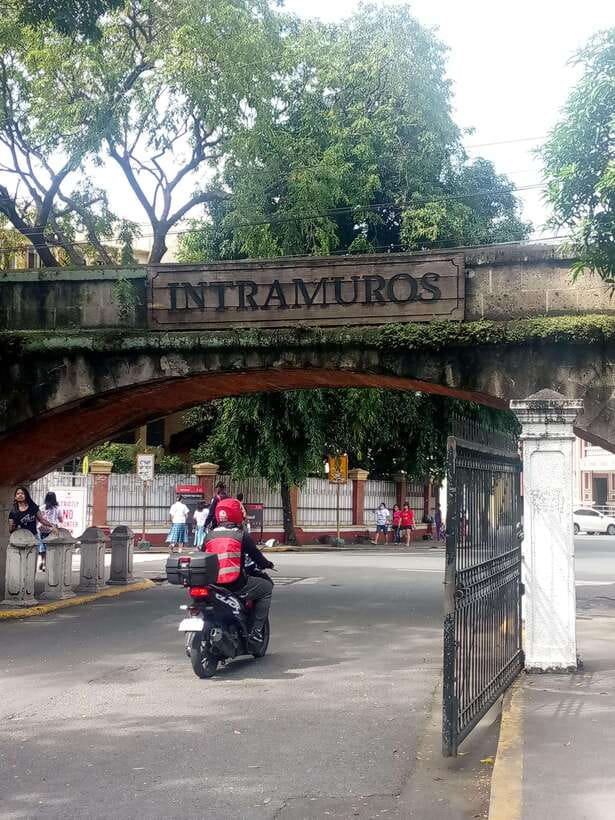
You’ll also stroll along General Luna Street and hear tales of courage and sacrifice during the Philippine-American war. This part helps connect the earlier Intramuros confinement stories to later conflict, so the walls feel like they belong to a much bigger narrative.
The value for you is context. Intramuros can feel like a time capsule, but the tour is trying to show cause and consequence across decades. When the guide ties courage to sacrifice in this setting, it makes the city feel like a living record.
One practical note: since this is part of a walking route, pay attention to your pace. You want to hear the story and still have enough energy to take in the streets and transitions between stops.
Saint Agustin Church: Resiliency Through Many Periods
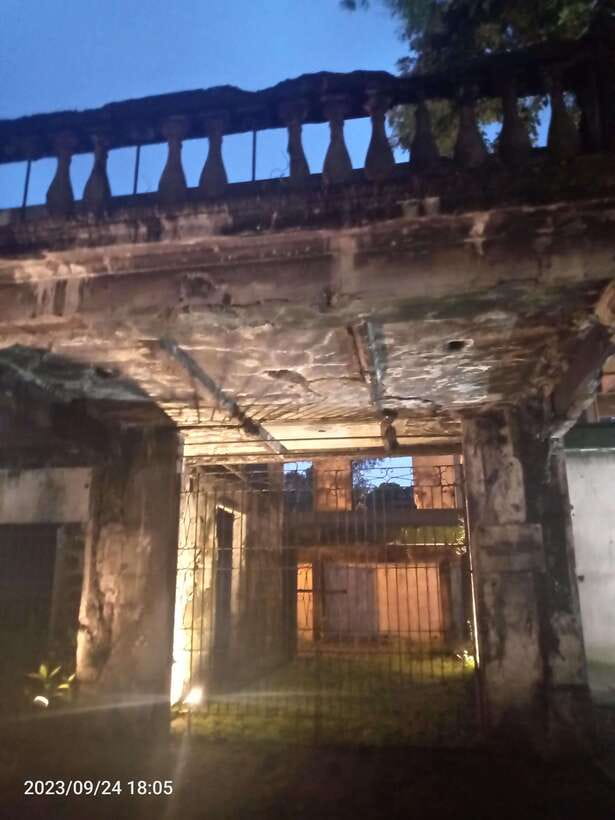
At Saint Agustin Church, the tour focuses on its resilience through different periods of history. This is a welcome tonal shift after the dungeons and prisons.
It does not become “light” in a shallow way. Instead, the church stop offers a different kind of strength, the kind that comes from continuity despite repeated upheavals.
If you like places where you can see layers, this stop is worth your attention. Even if you already know the church is famous, the guided story helps you understand why it kept mattering as history changed around it.
Bonifacio Shrine by Manila City Hall: Revolution and Who Gets Remembered
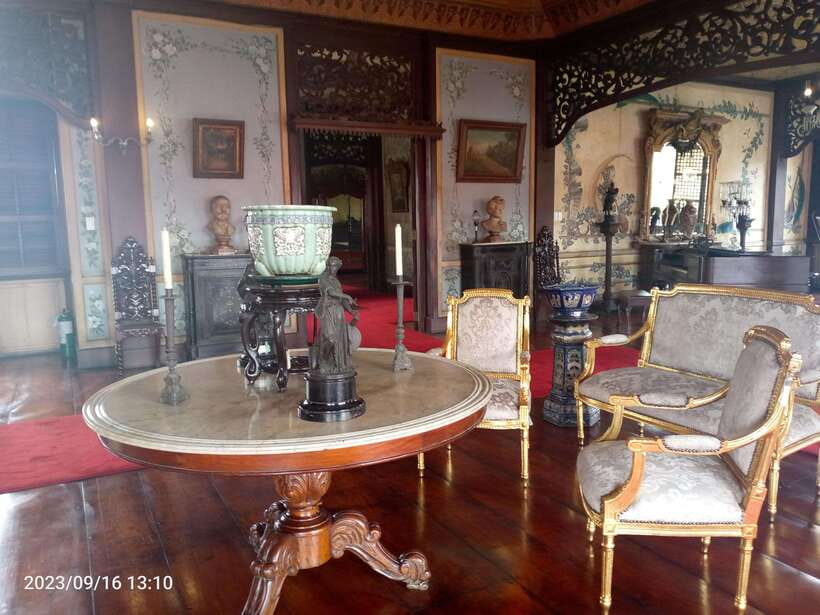
Your tour’s final chapter includes the Bonifacio Shrine at the front of Manila City Hall. This is where the route turns toward the Philippine Revolution, with a tribute to Andres Bonifacio and some forgotten revolutionaries.
I like this ending because it makes the whole tour feel less like a closed loop. You start in prisons and punishment, then you end at the symbol of revolution and resistance, which gives your walk a sense of direction.
If you care about “who history leaves out,” this stop is a big part of the value. The tour’s overall message keeps pointing back to remembering more people, not fewer.
When you’re ready to wrap up, take a moment at the shrine area to just look around. The setting helps your brain connect the revolution stories to the modern city landscape you’re standing in now.
Price and Time: Is $48 Good Value for 2 Hours?
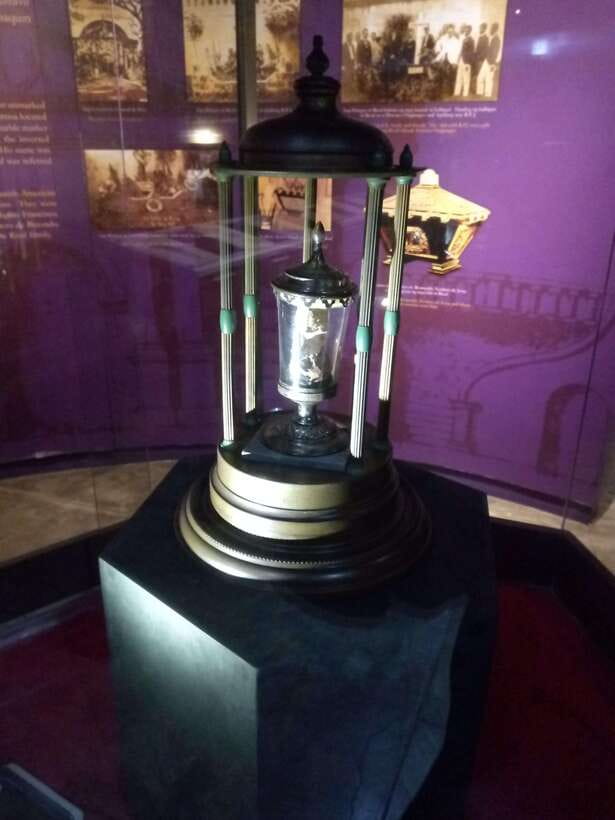
At $48 per person for about 2 hours, you’re paying for more than general sightseeing. You’re buying guided interpretation, admission to Fort Santiago, and story-focused access that connects multiple major sites in a tight loop.
For me, the best value signal here is that you are not just touring one monument. You start at Fort Santiago, then move through major Intramuros and church sites, with themed storytelling that connects prison history to the wider political and war era.
You also get skip-the-ticket-line convenience and a live English or German guide. That matters in places where standing around kills the mood, especially when the tour is designed around specific stops and timing.
If your goal is a light, casual walk with broad views only, this may feel heavy. But if you want meaning, place-to-story mapping, and a guide who keeps things moving, it is a fair price for the time.
Guide Energy: Why the Storytelling Style Matters
This kind of tour lives or dies on the guide. The reviews point to strong engagement from the guide’s passion for the area, and that shows up in how the tour is delivered.
One review also mentions a guide named Kuya, described as entertaining and educational. Even without knowing the person in advance, you can expect a style where the guide talks like they care about the setting and the stories.
This matters for you because the itinerary includes emotionally heavy topics. A good guide keeps the tone respectful, guides your attention, and helps you understand what you’re looking at instead of tossing facts at you like a playlist.
If you’re the type who likes to interact, you can use the private-group format to ask quick questions. When you ask one good follow-up, the stop becomes personal, and the whole walk becomes easier to remember.
What to Bring (and What Helps You Enjoy It)
Come prepared, because you’ll be on your feet. Wear comfortable walking shoes, and plan for a steady pace with multiple stops.
Bring a camera if you want to capture historical sites and the street moments between them. Also bring water. Even on a “dark” tour, your body still needs hydration, and you’ll appreciate it when the storytelling gets intense and you’re walking continuously.
Smoking is not allowed during the tour, so if you smoke, plan around that. And remember to be respectful of the sites and the stories shared.
Tone and Suitability: Who This Tour Fits Best
This tour is not for everyone, and that is a plus, not a flaw. It’s marked as not suitable for children under 12, pregnant women, people with mobility impairments, and wheelchair users.
Even if you are fully able-bodied, consider your comfort level with war, prison conditions, and mass death stories. The tour includes tributes to victims and mass graves, so it is designed for remembrance and education.
If you love darker history, political context, and walking routes where you learn while you move, you’ll probably like this style. If you prefer scenic views over stories of suffering, choose a calmer Intramuros tour instead.
Quick Booking Checklist Before You Go
You’ll be walking, you’ll need your senses, and you’ll need basic comfort. Here’s what I’d do before you book and show up.
- Wear comfortable shoes you trust on uneven sidewalks
- Bring water so you can handle the 2-hour pace
- Bring a camera if you want to document the major stops
- Be ready for serious topics and respectful silence moments
Should You Book the Manila Intramuros Dark Tour?
Book it if you want an Intramuros walk with story depth, a strong focus on Fort Santiago, and clear emphasis on who suffered and who fought back. The price makes sense because it includes Fort Santiago admission and a guided route that connects prisons, churches, and revolutionary memory in a single 2-hour plan.
Skip it if you need a light atmosphere, you’re traveling with kids under 12, or you have mobility concerns. Also skip it if you know grim war and prison themes will overwhelm you.
If your ideal Manila day mixes history, politics, and a guided narrative you can track site by site, this one fits.
FAQ
How long is the Intramuros Dark tour?
It lasts about 2 hours.
Where does the tour start?
You meet at Fort Santiago.
What is the price per person?
The price is $48 per person.
What’s included in the tour?
You get a guided tour of Intramuros, admission to Fort Santiago, and historical plus haunted-style stories.
Which languages are offered for the live guide?
The live tour guide is available in English and German.
Does it help with lines or tickets?
Yes, it includes skip-the-ticket-line.
What should I bring?
Bring comfortable shoes, a camera, and water.
Is smoking allowed?
No, smoking is not allowed.
Is the tour suitable for everyone?
It is not suitable for children under 12, pregnant women, people with mobility impairments, and wheelchair users. It is also listed as wheelchair accessible, so if this is a concern for you, you should confirm directly with the operator.
What locations are covered during the tour?
You visit Fort Santiago, Manila Cathedral, Intramuros, and you also stop at Saint Agustin Church and the Bonifacio Shrine at the front of Manila City Hall.
Newest reviews around Manila
- TAGAYTAY DAY TOUR FROM MANILA★ 5.0 · 3 reviews
- 3 Days Private Tour in Banaue Ifugao visiting Batad Rice Terraces★ 3.5 · 3 reviews
- 4 Day Banaue Ifugao Rice Villages Private tour Trekking★ 4.5 · 3 reviews
- Bites and Sights: Tagaytay Food and Nature Excursion from Manila★ 4.0 · 3 reviews
- Embark on a 7-Day Banaue-Sagada Adventure of a Lifetime★ 5.0 · 3 reviews
- Philippines Intro 3 days 2 nights Tour Best of Manila and Beyond★ 5.0 · 3 reviews
- Following the Footsteps of Anthony Bourdain★ 5.0 · 3 reviews
- Tagaytay: Taal Volcano Tagaytay Private Tour w/Jeepney Ride★ 5.0 · 3 reviews
Intramuros, compared.
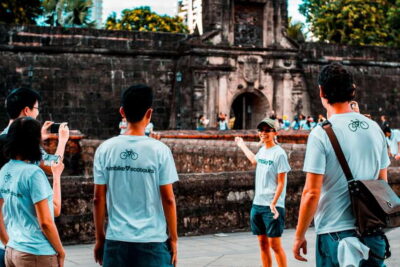
Intramuros, Manila: Historical Bamboo Bike Tour
Read our review →
Experience Intramuros with Bamboo Bicycle – Ecotours
Read our review →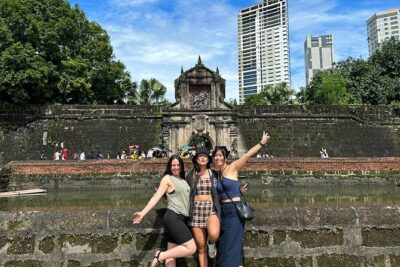
Intramuros, Chinatown, and Old Manila Half-Day Tour
Read our review →
Manila Old and New: Sightseeing Tour Including Intramuros and Fort Santiago
Read our review →

Explore Intramuros: Introduction to Philippine History
Read our review →
Experience Manila’s Heritage: Intramuros & More in Half a Day!
Read our review →Browse the lists this tour appears in