
Reviewed · INTRAMUROS
Manila: Intramuros Myths and Nights Tour
Intramuros at night is interesting on its own. This tour adds a second layer, using Philippine mythology and colonial-era spin to explain how fear and belief shaped independence, right on the same walls you see during the day. You get a story-driven walk that feels like you are reading the country’s mindset, not just its monuments.
Two things I really like. First, it treats the legends as part of real history, not campfire decoration. Second, the guide, Jerome, brings the stories to life and connects childhood creatures like Aswang, Kapres, Kapres, Duwende, and Tikbalang to the long struggle against outside control.
The main drawback to consider is practical: it’s about two hours of nighttime outdoor walking. If you are sensitive to dark corners or standing around, plan for comfort, bring insect repellent, and wear shoes that handle uneven streets.
Key Highlights You Should Care About
- Myths tied to nationalism, not just spooky entertainment
- Plaza Moriones storytelling under the Acacia tree, including Aswang and Kapres
- Fort Santiago scenes explained around the Balete tree, with white ladies and Duwendes
- Rizal’s chapel-cell and the dungeon stories, including the 600 civilians
- Churches as cultural mixing points, where Catholicism meets older local beliefs
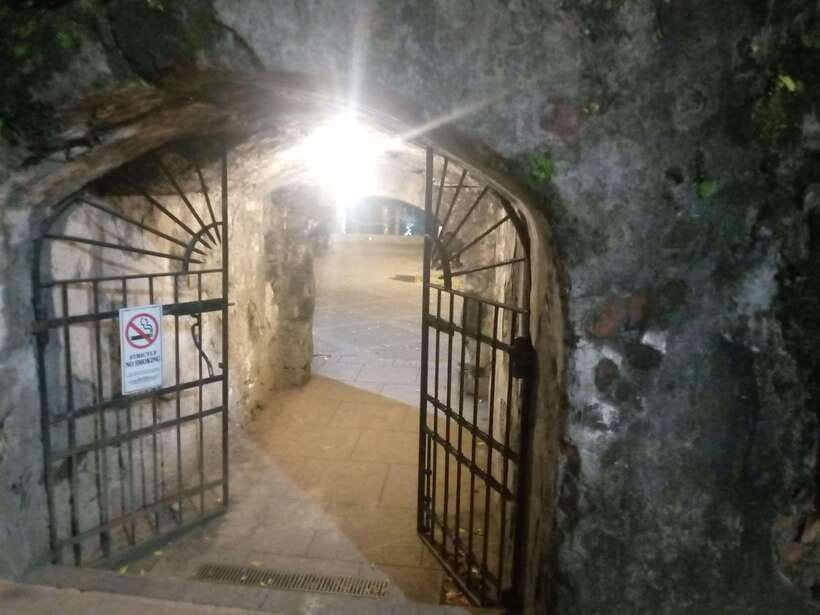
- A strong ending at Puerta del Parian, focused on uprisings and resistance
Why Intramuros Myths Work Better After Dark
Intramuros already feels theatrical, with walls that pull your attention inward. At night, that effect gets stronger, and it helps the tour’s format: short stops, story talk, then a quick walk to the next scene.
What makes this experience especially useful is the angle. You are not just hearing “what happened” in Manila. You are learning how narratives were engineered, including how Spanish colonial authorities supposedly fabricated horror tales to suppress nationalism. Even if you think you know the basics, this approach trains your brain to spot the message inside the myth.
And yes, you can choose day or night formats, depending on what you prefer. The night version is for people who like atmosphere, and who want history explained through folklore and belief systems, not only through dates and labels.
More of Intramuros:
- Intramuros, Manila: Historical Bamboo Bike Tour
★ 4.8 · 583 reviews - Experience Intramuros with Bamboo Bicycle – Ecotours
★ 5.0 · 508 reviews - Manila: Intramuros, Chinatown, and Old Manila Half-Day Tour
★ 4.8 · 475 reviews
Plaza Moriones: Acacia Tree Stories and the Aswang Legends
The tour starts at Plaza Moriones, where you meet up and get into the story right away. The tone is set under the Acacia tree in the plaza, and you begin with Filipino myth figures that many people grow up hearing about.
This is where you hear about Aswang, Kapres, and other mythological beings that show up in childhood stories. The point is not to confirm monsters. It is to show how folklore becomes a language for identity, fear, and social control.
A key theme you will hear early is the idea that Spanish colonial authorities used fabricated tales of horrors to push natives away from resistance. The logic is simple and very human: if you can frighten people into believing the world is dangerous, you can steer them away from organized change. It’s a dark message, but it gives you a framework for everything else on the route.
Practical note: this first segment is a good place to ask questions. If something feels unclear, this is where your guide can anchor the rest of the tour to what you want to understand.
Fort Santiago Under the Balete Tree: White Ladies and Duwendes
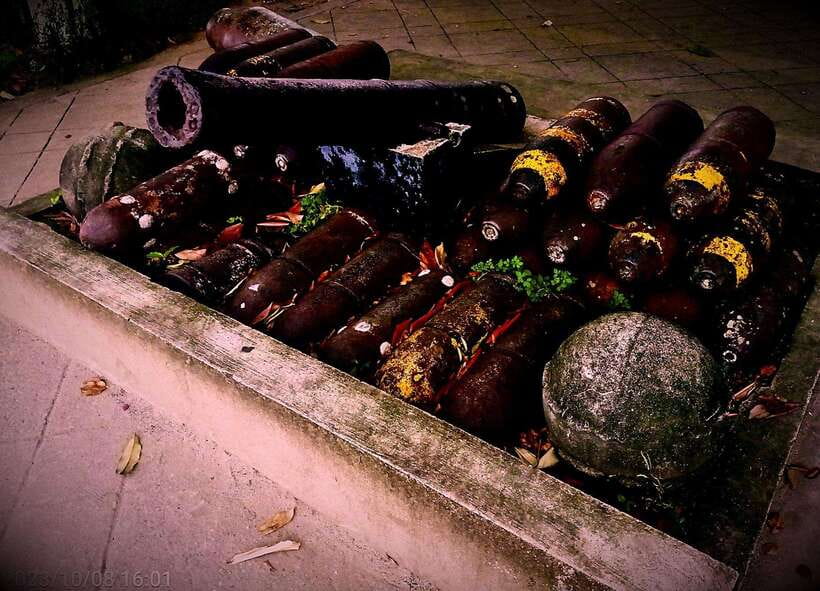
Next comes Fort Santiago, one of the most loaded places in Intramuros. The tour slows down under the Balete tree, and the stories shift from popular monsters to beings that connect to everyday imagination.
You will discuss white ladies and Duwendes, along with other creatures in Filipino folklore. What I found smart about this stop is how it connects story and power. The tour frames these myths as part of how the conquerors influenced local thinking, including encouraging the belief that the outsiders were “better” than the people being controlled.
That matters for your understanding of culture. When a colonizer controls the story, they also control what people consider normal, shameful, heroic, or inferior. If you keep that lens in mind, the legends stop feeling random and start feeling like social tools that evolved over time.
Fort Santiago can feel intense because it is tied to captivity and punishment. If you are expecting only romantic ghost stories, you may be surprised by how often the tour turns toward mindset and manipulation instead of pure scares.
Jose Rizal’s Chapel-Cell: Agimat, Monasticism, and the 600 Civilians
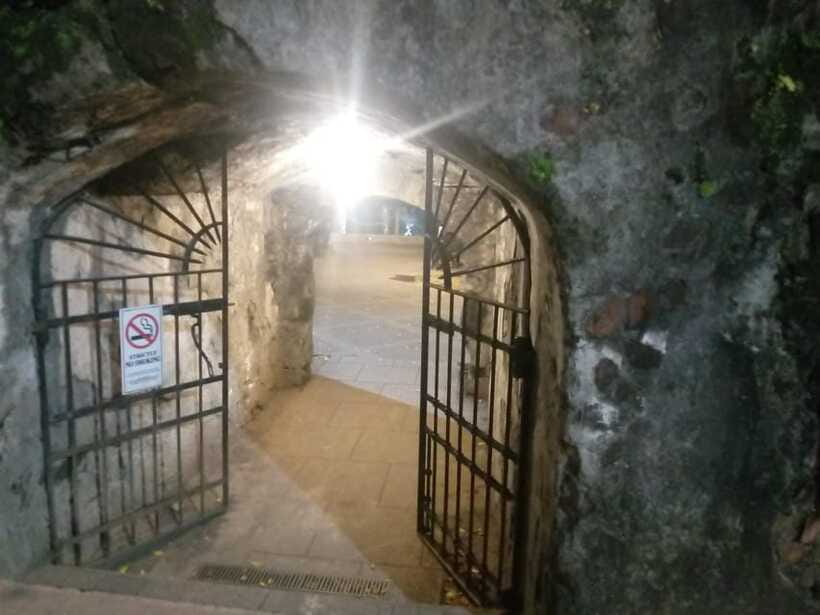
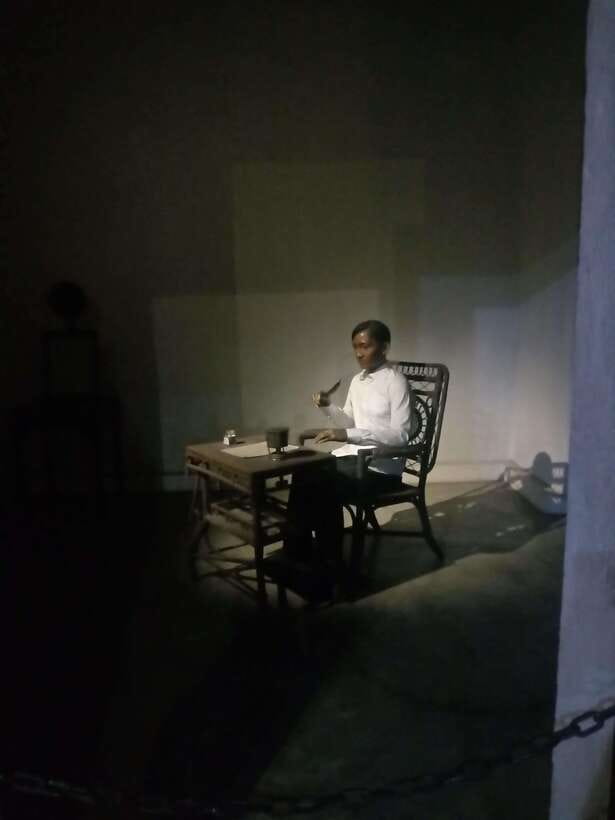
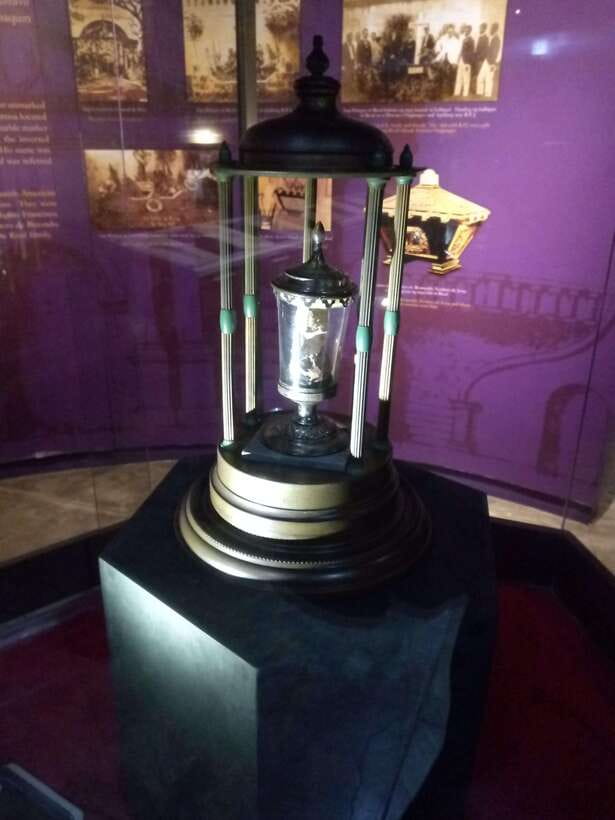
Then the tour moves to Jose Rizal’s chapel-cell. This is one of the biggest “anchor points” for the route because the conversation blends belief with resistance.
You will hear stories about the agimat and monasticism and how they played roles in the struggle for independence. Even if you have heard bits and pieces before, this stop is where the tour connects personal faith and folk practice to larger movements. The takeaway is that independence was not only fought with weapons and politics. It was also fought with symbols, ideas, and networks of belief.
After that, you get the dungeons element. The tour explicitly asks you not to fear the ghosts of the 600 civilians who died there. That line is not about denying tragedy. It is about reframing what fear does. In other words, the goal is to help you face the dark parts of history and remember the people connected to them, instead of letting the story become forgettable.
If you get uncomfortable with heavy history, this is the stop where you may feel it most. Still, the structure helps, because the guide keeps connecting the emotion back to understanding, not just shock.
A few other Manila trips to line up
- Manila: Old & New 4-Hour City Tour
★ 4.5 · 458 reviews - Manila Food Tour: Introduction to Philippine Street Food
★ 5.0 · 417 reviews - Spectacular Manila to Tagaytay: Full-Day Sightseeing Tour
★ 5.0 · 349 reviews - Discover Tagaytay’s Countryside: Half-Day Sightseeing Tour
★ 4.5 · 207 reviews
Manila Cathedral and San Agustin: Catholicism Meets Local Spirits
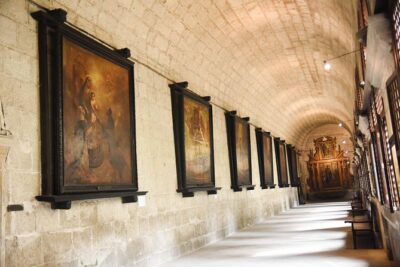
From there, you visit Manila Cathedral and San Agustin. This section is where the tour becomes especially relevant for people who want to understand how religions and local beliefs interact.
The talk centers on how Catholicism merged with local religions. You will also hear an idea that the supreme beings of native belief could be reframed as demons by the conquerors. That shift is powerful, because it explains something many visitors notice but do not fully unpack: places of worship often hold multiple layers of meaning, even when one system is officially dominant.
This stop is not just about theology. It is about cultural translation under pressure. When a conqueror labels local gods as evil, people have to decide how to keep their identity while surviving the new rules. Syncretism can be a strategy, a compromise, or a survival instinct, and the tour treats it as part of the bigger struggle for independence.
One practical benefit: churches can be cooler and more sheltered than open streets. So while you are still outdoors much of the time, you do get moments where you can settle and absorb.
Puerta del Parian: Closing With Uprisings and Resistance Energy
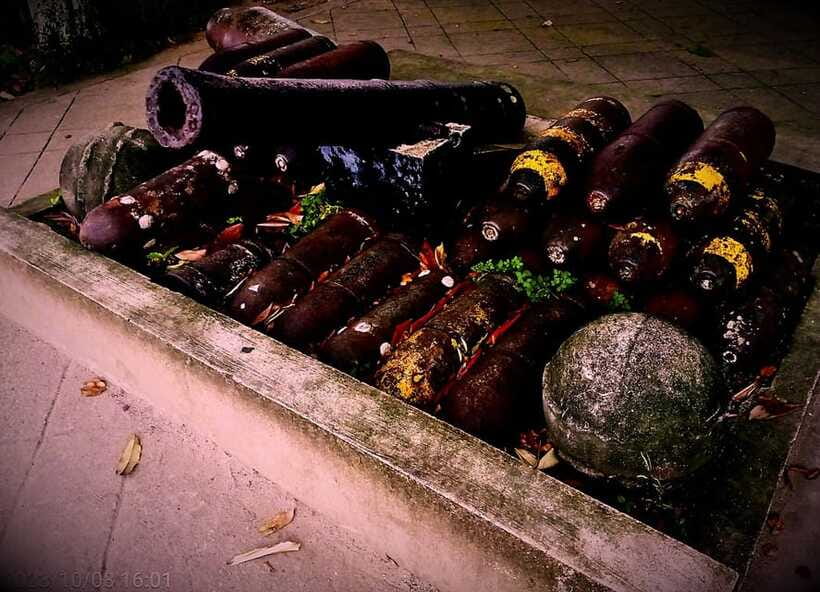
The tour ends at the Puerta del Parian. This is a fitting finish because the tone shifts from fear tactics and colonial control to the energy of uprisings.
The tour frames the ending as a way to revive the spirit of resistance. That matters because a lot of history tours can leave you stuck in heaviness. This one tries to push your brain forward, toward action and agency, even while acknowledging the costs.
If you like tours that leave you with something to think about on your walk back to your hotel, this finish helps. It gives your last minutes a theme, not just a final photo stop.
Price and Timing for a $49, Two-Hour Walk
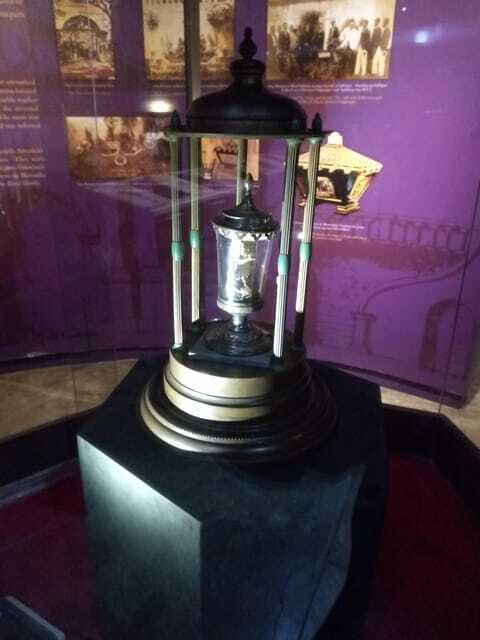
At $49 per person for 2 hours, this tour is built for people who want a focused experience without committing to a half-day schedule. For that price, you also get entrance fees, the guide’s fee, and a snack. You also get a skip-the-line benefit through a separate entrance, which is a real time saver in Intramuros.
So what is the value? It is not only the places. It is the guided interpretation that strings them together with mythology and independence themes. Without a guide, you can see churches and fort structures and still miss the “why” behind the stories. Here, the “why” is the whole point.
Two hours is also a sweet spot for nighttime walking. Long enough to connect the dots, short enough that you are not stuck for hours in the dark.
How to Prepare: Repellent, Comfort, and Getting the Most From Jerome
Before you go, pack biodegradable insect repellent. Intramuros evenings can be buggy, and you will enjoy the tour more if you are not spending your time swatting or itching.
Wear shoes you trust. The tour is essentially a guided circuit, so you will be on foot, moving between stops, and you may spend time standing while the guide explains stories and context.
If you prefer a conversational style, this is a good fit. People describe Jerome as passionate, able to answer questions, and good at keeping the mood educational and fun. That matches the format: if you ask about a myth figure or a historical claim, you are likely to get a direct explanation rather than a quick brush-off.
Also, if you are traveling solo, you will probably feel better knowing the guide keeps an eye on getting you home safely after the tour ends. That detail matters more than it sounds, especially at night.
Who Should Book, and Who Might Want a Different Option
This tour is ideal if you like history that connects to culture and folklore. It works well for foreigners who want a Filipino lens on Intramuros, and it also works for Filipinos who think they already know the story but want a different angle.
It also suits people who want a lively guide. Jerome has a reputation for making the legends feel real and laugh-worthy, even when the topic turns heavy.
It is wheelchair accessible, which is a big plus for mobility needs. That said, the tour is not suitable for people over 95 years, so if you are in that age range, you will need to consider other options.
If you prefer a strictly factual, low-storytelling history approach, the mythology focus might feel like too much. This tour is for people who like the gray area where belief and history overlap.
Should You Book the Manila Intramuros Myths and Nights Tour?
If you want Intramuros in a single, two-hour circuit with interpretation you can carry in your head afterward, I think you should book it. The price includes key items that reduce hassle, and the story-first format is exactly what makes this tour different from a standard walking pass around walls and churches.
Book it if you are curious about how myths like Aswang, Kapres, Duwendes, and white-lady stories connect to independence and colonial pressure. Also book it if you like guides who answer questions and keep the energy upbeat without turning the history into a joke.
Skip it if you only want architectural facts or strict textbook chronology. This tour is built around folklore as a lens, and it spends time explaining mindset, propaganda, and cultural mixing, not only stonework.
FAQ
How long is the tour?
The tour lasts 2 hours.
Where does the tour start and where does it end?
It starts at Plaza Moriones and ends at Puerta del Parian.
What languages is the live guide available in?
The live tour guide is available in English and German.
What’s included in the price?
The price includes an entrance fee, the guide’s fee, and a snack. There is also a skip-the-line separate entrance benefit.
What should I bring?
You should bring biodegradable insect repellent.
Is the tour wheelchair accessible, and is there an age limit?
Yes, the tour is wheelchair accessible. It is not suitable for people over 95 years.
What are the cancellation terms and payment options?
You can cancel up to 24 hours in advance for a full refund. You can also reserve now and pay later, so you can book your spot and pay nothing today.
Newest reviews around Manila
- TAGAYTAY DAY TOUR FROM MANILA★ 5.0 · 3 reviews
- 3 Days Private Tour in Banaue Ifugao visiting Batad Rice Terraces★ 3.5 · 3 reviews
- 4 Day Banaue Ifugao Rice Villages Private tour Trekking★ 4.5 · 3 reviews
- Bites and Sights: Tagaytay Food and Nature Excursion from Manila★ 4.0 · 3 reviews
- Embark on a 7-Day Banaue-Sagada Adventure of a Lifetime★ 5.0 · 3 reviews
- Philippines Intro 3 days 2 nights Tour Best of Manila and Beyond★ 5.0 · 3 reviews
- Following the Footsteps of Anthony Bourdain★ 5.0 · 3 reviews
- Tagaytay: Taal Volcano Tagaytay Private Tour w/Jeepney Ride★ 5.0 · 3 reviews
Intramuros, compared.
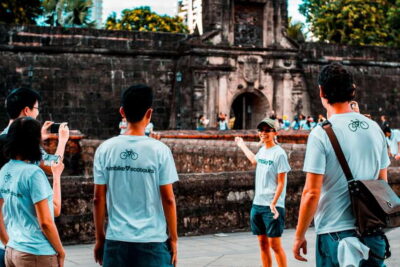
Intramuros, Manila: Historical Bamboo Bike Tour
Read our review →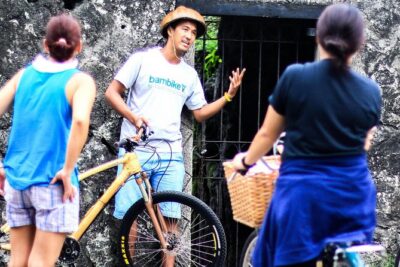
Experience Intramuros with Bamboo Bicycle – Ecotours
Read our review →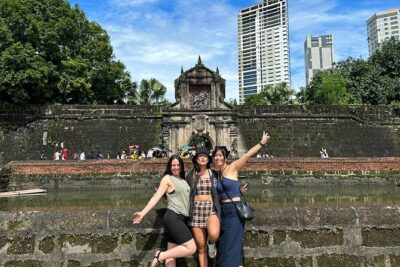
Intramuros, Chinatown, and Old Manila Half-Day Tour
Read our review →
Manila Old and New: Sightseeing Tour Including Intramuros and Fort Santiago
Read our review →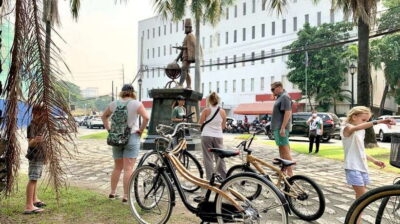
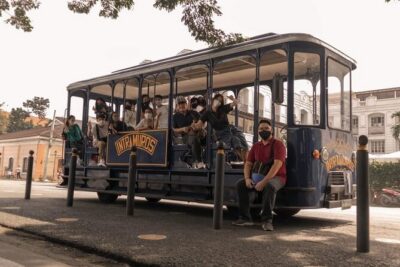
Explore Intramuros: Introduction to Philippine History
Read our review →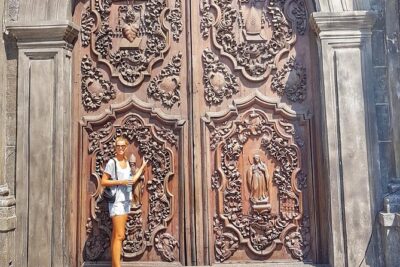
Experience Manila’s Heritage: Intramuros & More in Half a Day!
Read our review →Browse the lists this tour appears in