
Reviewed · INTRAMUROS
Intramuros The Spanish City of Manila Philippines
Intramuros is interesting because it is Manila’s walled Spanish-era core, built for defense and survival, not just sightseeing. You walk through stone walls, cobblestone lanes, and landmark squares that still feel like the city is paused in time. It’s the kind of place where even a short tour can make the streets feel purposeful.
I love how the stop list is built around big, recognizable anchors, San Agustin Church and Fort Santiago, so you always know why you are standing where you are. I also like that the walking route ties the architecture to real use, like fortifications and a dungeon, instead of treating everything like a photo set.
One consideration: this is a lot of walking on cobblestones that can be uneven, so good shoes matter.
Key things to look forward to
- San Agustin Church (UNESCO), the oldest stone church in the Philippines
- Fort Santiago and the dungeon, history you can feel in the fortifications
- Manila Cathedral, a major landmark stop inside Intramuros
- Local guide storytelling, with guides like Jane and Richard noted for bringing the area to life
- Bottled water and Fort Santiago entry included, so you start the walk without extra stops
- 2-hour pacing, enough time for highlights without turning it into a marathon
Entering Intramuros, the Spanish City behind the walls
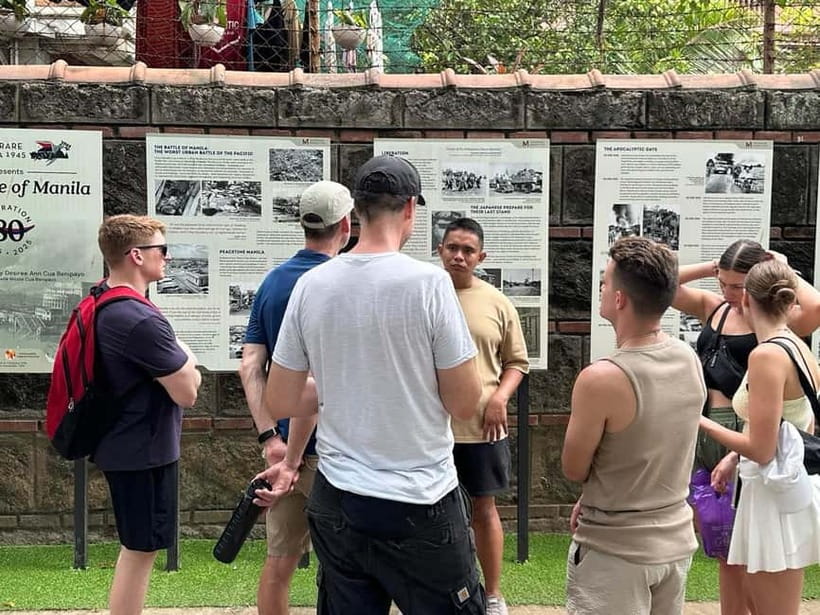
Intramuros is Manila’s Walled City, built by the Spanish in the late 1500s. The whole concept is defense first. Massive stone walls and fortifications were meant to protect the settlement from invasion and even help the city withstand harsh conditions.
What I like about this kind of setting is how quickly it gives you context. When you see the walls, you understand why the streets, plazas, and buildings are arranged the way they are. You are not just looking at old structures, you are reading the city as a system, a place designed to hold people together when trouble came.
As you move through the cobblestone lanes, you also get that classic Intramuros atmosphere: churches, plazas, colonial-era buildings, and the practical everyday layers that make it feel lived-in now. If you want a nostalgic add-on, horse-drawn carriages called calesas are a common way to get around at a slower pace, though the tour itself is designed for walking.
The biggest payoff is that the city’s most famous sites are close enough that a short, guided loop can still feel complete.
More City Tours in Manila
- Manila: Old & New 4-Hour City Tour
★ 4.5 · 458 reviews - Full-Day Manila City, Tagaytay Taal Volcano and Lake Tour
★ 4.3 · 139 reviews - Manila Ninoy Aquino Airport (MNL) Private Transfer to Manila City
★ 4.5 · 128 reviews
Casa Manila meet-up and how the 2-hour plan really works
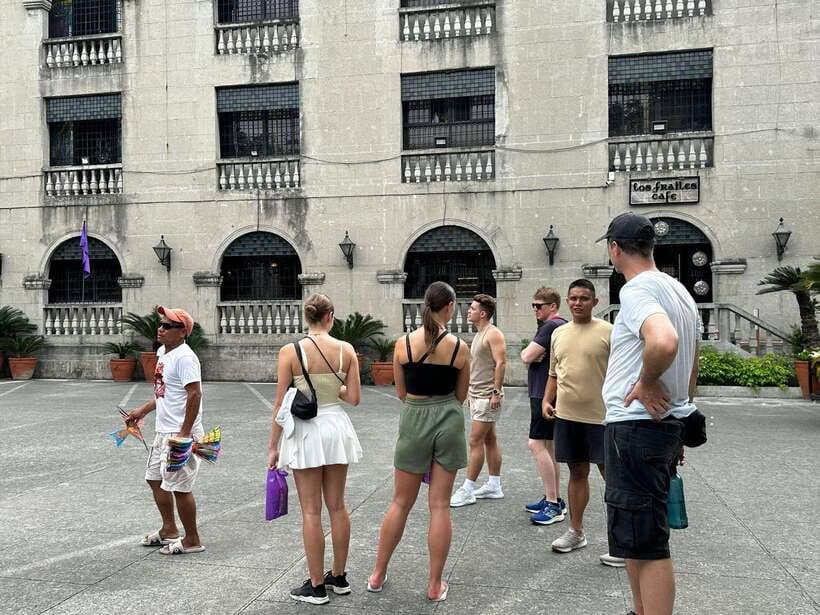
Your tour starts at Casa Manila, right outside Barbara’s Restaurant. It ends back at the same meeting point, so you are not solving public-transport math while learning how to pronounce Spanish-era streets you have never seen before.
Timing is simple on paper: the duration is 2 hours. In practice, that means you should treat it as a focused highlights walk, not a slow stroll. You will cover the main points of Intramuros and hit several major stops. You will get just enough time at each location to look closely, take photos, and hear the story without being rushed through the city.
English guidance is provided by a live local tour guide. Guides like Jane are specifically noted for being able to bring the stories to life, while Richard is mentioned for keeping the experience enjoyable. That matters more than it sounds, because Intramuros is one of those places where context turns architecture into understanding.
Practical tip: start your walk with a water bottle already mentally accounted for. Bottled water is included, so you can hydrate during the circuit instead of cutting your sightseeing short to find a shop.
Walled City architecture: cobblestones, walls, and why it mattered
The walls are the headline feature, but the real lesson is what the walls imply about the city. Fortified cities are not just scenic. They are built around access points, defensible spaces, and survival. In Intramuros, massive stone fortifications helped protect the settlement from attacks and disasters. Once you grasp that, your eyes start picking up details you would otherwise miss.
Cobblestone streets are part of the charm, and also part of the reason you should wear comfortable shoes. Some areas are uneven. Even if you love walking, this is not the smooth sidewalk type of easy. I recommend sturdy, grippy soles and shoes that you are okay getting a little dust and grit on.
As you walk, you will also notice how Spanish-era planning shows up in the layout. Churches and civic landmarks sit in relationship to the defensive footprint, and plazas become gathering points inside the walls. That is one reason the tour works well: it connects you from the broad idea of a fortified city to specific places like churches and fortresses.
If you want a souvenir memory that feels less generic than another landmark photo, focus on angles. Stand where the wall lines pull your eye into the next street. That’s when Intramuros starts to look like it was designed to guide people inside, not just to decorate the past.
San Agustin Church: UNESCO stop you will want to see slowly
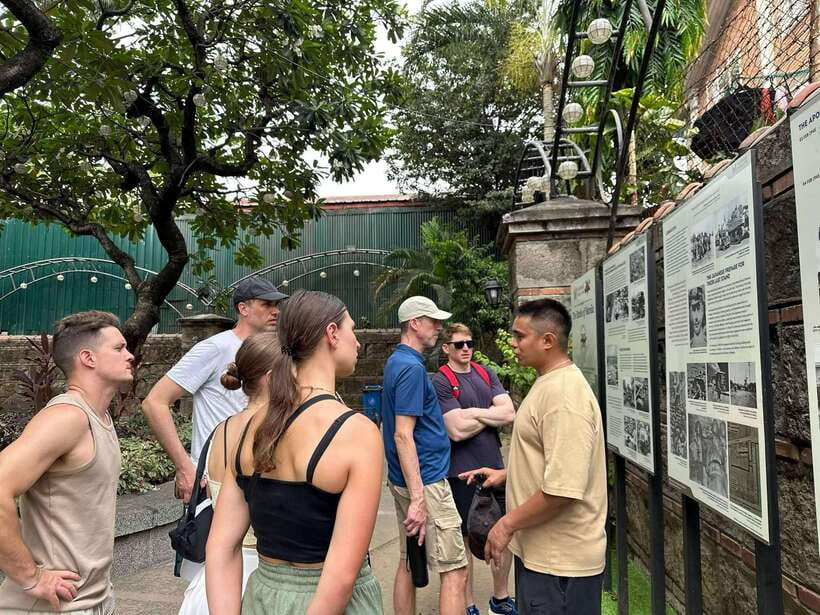
San Agustin Church is a UNESCO heritage site and is often described as the oldest stone church in the Philippines. It’s the kind of landmark where you can feel the attention to detail even if you do not know every term used to describe the architecture.
On this tour, you get a dedicated stop for San Agustin Church. The value here is not only that it is famous. It is that it acts like an anchor for everything else you see. Once you stand in front of it and hear how it fits into the Spanish period, the surrounding Intramuros streets start making more sense.
I also like that this is a place you can slow down at. Even on a 2-hour tour, you will usually have time to look at the church and absorb the atmosphere instead of treating it as a quick pass-through.
A practical approach: take your first wide photo, then move to a side angle for close-looking. You will often notice different textures and structural details from different viewpoints. If your time is limited, this two-step method gives you photos that feel thoughtful, not rushed.
More of Intramuros:
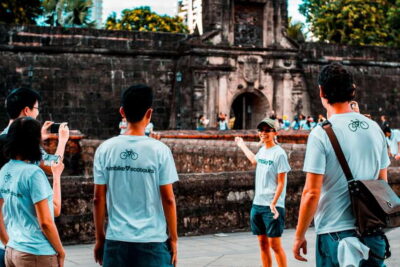
- Intramuros, Manila: Historical Bamboo Bike Tour
★ 4.8 · 583 reviews - Experience Intramuros with Bamboo Bicycle – Ecotours
★ 5.0 · 508 reviews - Manila: Intramuros, Chinatown, and Old Manila Half-Day Tour
★ 4.8 · 475 reviews - Manila: Guided Sunset Bamboo Bike Tour in Intramuros
★ 4.8 · 119 reviews
Fort Santiago and the dungeon: the most emotional stop
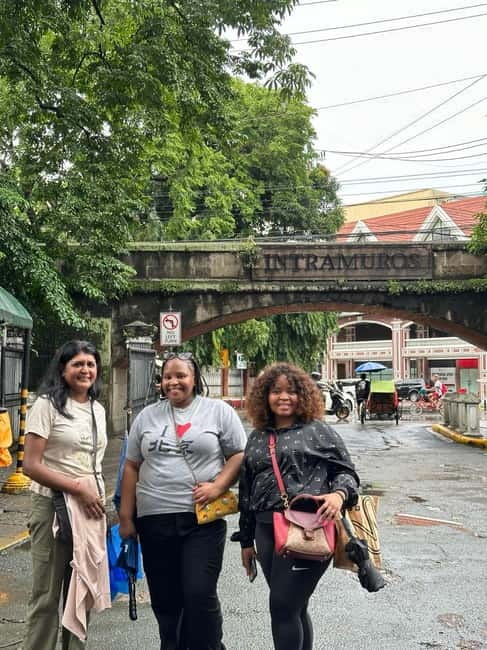
Fort Santiago is one of Intramuros’s most famous sites, and it is one of the best stops for understanding the city’s purpose. This was a military fortress and prison, so it is not just about architecture. It is about confinement, control, and the harsh reality behind the walls.
The tour includes Fort Santiago entrance, which is a big value point. Even if you love history, paying for entry can add friction to a short sightseeing plan. Having the entrance fee included means you can focus on walking in and listening.
The standout element is the dungeon. Even without getting too dramatic, the dungeon stop gives you a physical sense of what imprisonment meant in that era. That is when Intramuros shifts from pretty to meaningful.
How to make this stop hit: do not just look. Listen to what your guide explains about the fortress role and why the layout would have been used the way it was. Then, when you step into the next section, you will understand what you are seeing instead of just cataloging it.
This is also one reason I think this tour suits first-time visitors. Fort Santiago is often the moment you realize Intramuros is not a theme park. It is a real historical site with a heavy side.
Manila Cathedral: finishing with a major landmark inside the walls
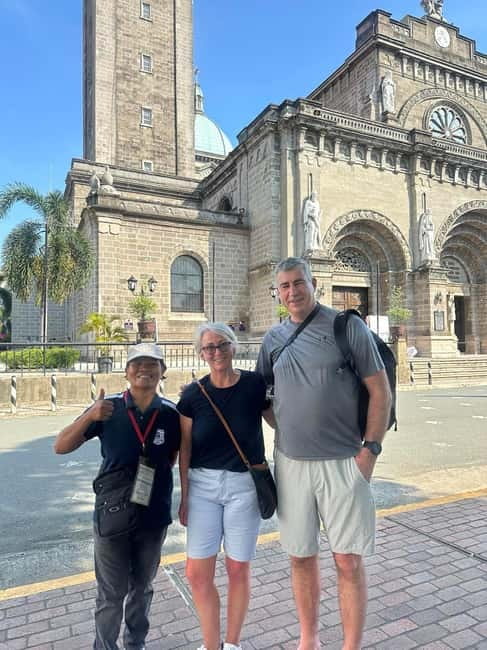
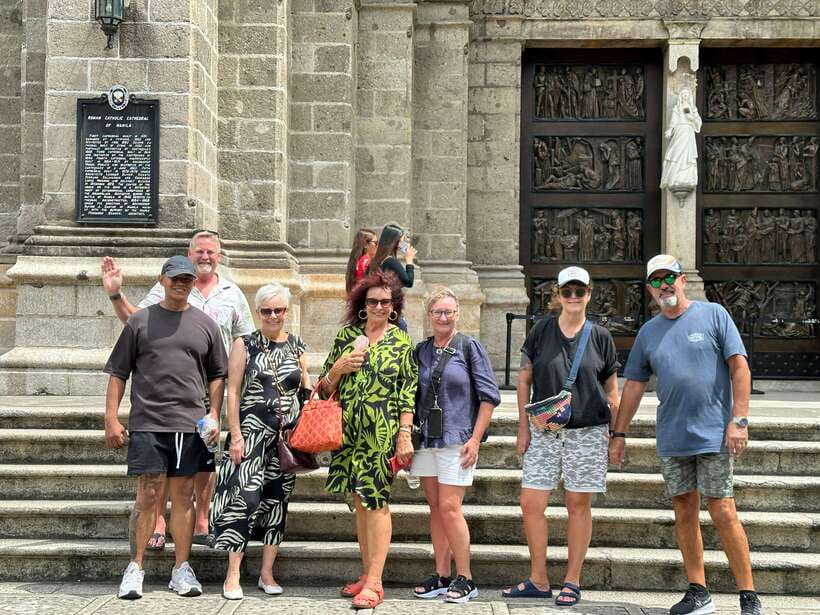
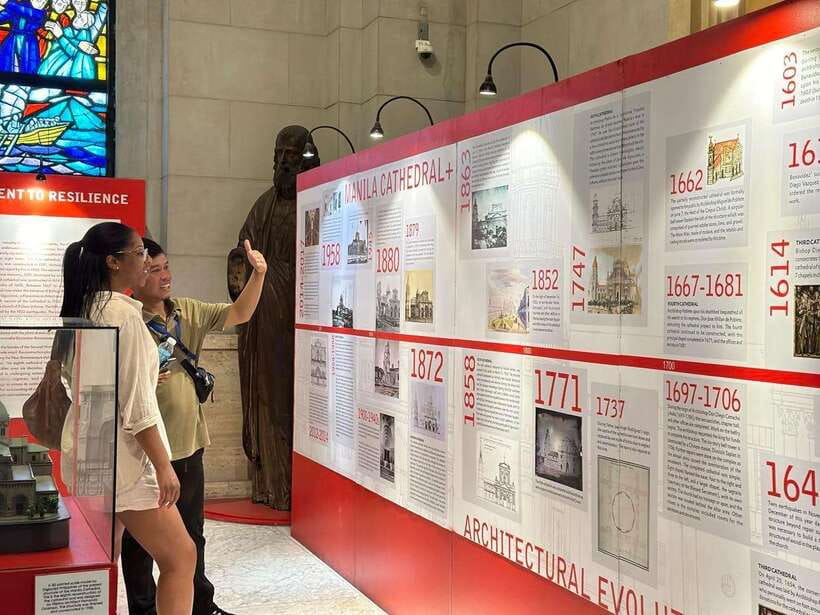
Manila Cathedral is another key Intramuros landmark included on the tour route. It adds a different feel from Fort Santiago and San Agustin. If Fort Santiago leans toward defense and punishment, and San Agustin leans toward faith and permanence, Manila Cathedral gives you a broader sense of how the city’s civic and religious life fit inside the same walled footprint.
This stop also helps with pacing. After a heavier history moment like Fort Santiago’s dungeon, you often welcome the chance to reset your head and look at something grand and communal.
Photo tip: plan for overlap. If you have a phone camera, you can frame Manila Cathedral so it connects visually to nearby architecture. In Intramuros, wide shots that include multiple layers often turn out better than single building portraits.
Price and value: why $52 can make sense for this 2-hour loop
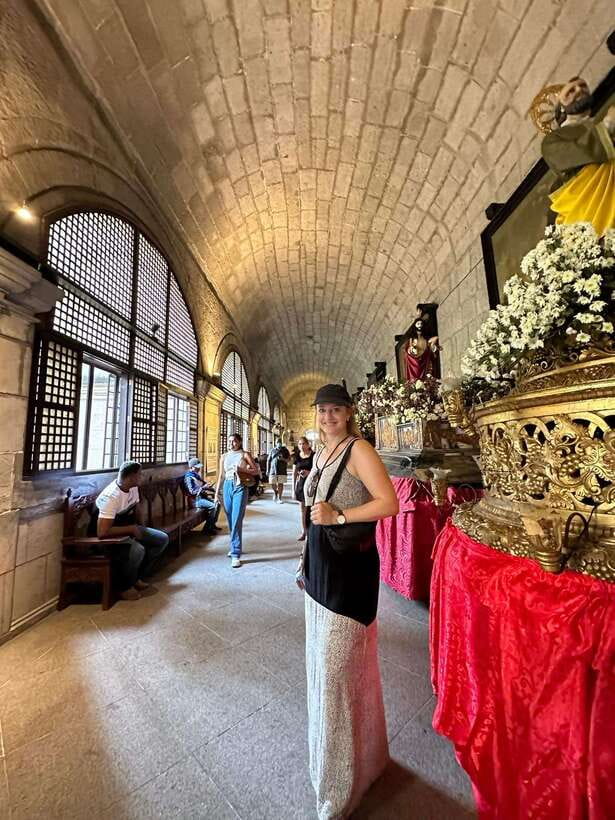
At $52 per person for a 2-hour guided tour, you are paying for three practical things: a live English guide, bottled water, and Fort Santiago entrance.
That combination matters because it reduces decision fatigue. You do not have to figure out tickets mid-walk. You also do not have to rely on your own audio-guide effort while you are navigating cobblestone lanes. In a compact place like Intramuros, guide time is one of the best uses of your limited vacation hours.
Is it expensive? It depends on how you travel. If you love reading and you like self-guided exploring, you might feel the cost is unnecessary. But if you want the stories stitched to the architecture, and you prefer learning from someone local rather than piecing together your own facts, this price is easier to justify.
Also, the tour is structured around major stops that are hard to understand fully without context. San Agustin, Fort Santiago, and Manila Cathedral are big names, but their significance becomes clearer when you understand how the city operated as a fortified Spanish settlement.
For value, I recommend arriving on time and ready to walk. The best deal is the one where you actually cover the planned highlights.
Who this Intramuros Spanish City tour is best for
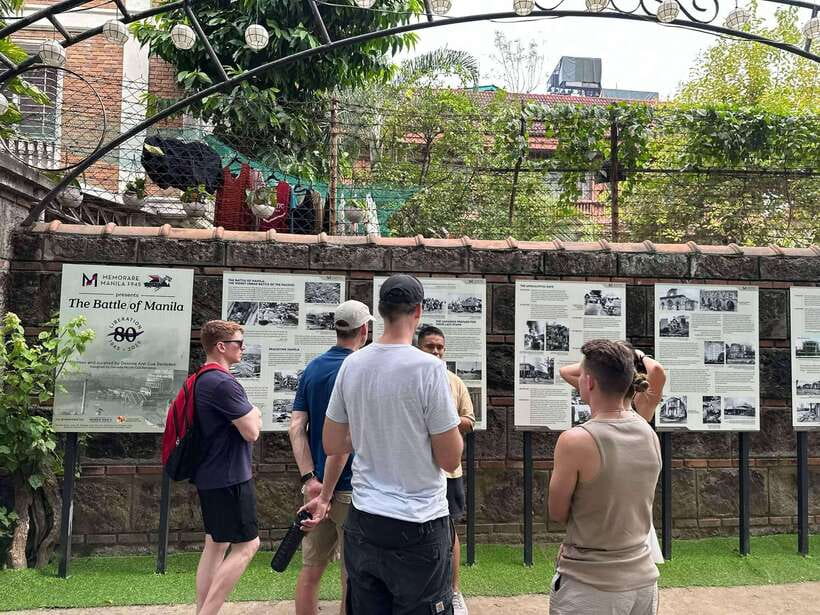
This tour is ideal if you fit one of these profiles:
- You want a first visit to Intramuros with the major anchors handled for you
- You like guided storytelling tied to real places, especially at Fort Santiago and the dungeon
- You do not want to plan multiple ticket purchases and separate logistics
It may not be the best match if you want slow, independent wandering all day, or if cobblestone walking is a problem for you. Since the tour involves lots of walking and some uneven surfaces, you should choose footwear accordingly.
If you are traveling with older family members, go in with realistic expectations about pace and footing. If you are a solo traveler, you will likely appreciate the guide’s route and timing, because Intramuros is easy to get a little turned around in.
Quick FAQ for your Intramuros planning
FAQ

Where do we meet for the tour?
You meet your guide at Casa Manila outside Barbara’s Restaurant, right in Intramuros.
Where does the tour end?
The activity ends back at the meeting point.
How long is the Intramuros tour?
The duration is 2 hours. Starting times depend on availability.
Is the guide available in English?
Yes, the tour includes a live tour guide in English.
What sights are included?
You will visit the Spanish City of Intramuros highlights, including San Agustin Church (UNESCO heritage site), Fort Santiago and the dungeon, and Manila Cathedral.
What is included in the price?
Bottled water, Fort Santiago entrance fee, and a local tour guide are included.
How much walking should I expect, and can I cancel?
Expect a lot of walking on cobblestones and uneven areas, so wear comfortable shoes and bring water. The tour includes free cancellation up to 24 hours in advance for a full refund, and you can reserve now and pay later.
Should you book this Intramuros walking tour?
I think you should book it if you want a tight, high-impact intro to Intramuros in 2 hours, with the big landmarks actually explained. The combination of San Agustin Church, Fort Santiago with the dungeon, and Manila Cathedral is a strong set for understanding both the spiritual and defensive sides of the Spanish-era city.
Skip it only if you dislike walking over uneven cobblestones or if you want a slow, fully independent day with no guide. If your goal is to leave with clear context and a well-paced highlight route, this is a smart way to do it.
Newest reviews around Manila
- Pagsanjans Natural Wonders and Tagaytay Beauty, Full Day Journey★ 5.0 · 3 reviews
- Authentic Manila Chinatown Food Tour Exploration★ 5.0 · 3 reviews
- Private Departure Airport Transfer in Manila Bay and Makati Area★ 5.0 · 3 reviews
- Try find your better than us ! Airport transfer service in Manila HTL-APT (MNL)★ 4.0 · 4 reviews
- indigenous Forest experience Manila 2023★ 5.0 · 4 reviews
- Banaue Rice Terraces Escape: 3 Days, 2 Nights with Transfers★ 5.0 · 4 reviews
- Cruise Shore Excursion of Taal Volcano with Lunch★ 4.5 · 4 reviews
- Nagpatong Rock Day hike + Tungtong Falls(with transfers**) 2023★ 5.0 · 4 reviews
Intramuros, compared.
Intramuros, Manila: Historical Bamboo Bike Tour
Read our review →
Experience Intramuros with Bamboo Bicycle – Ecotours
Read our review →
Intramuros, Chinatown, and Old Manila Half-Day Tour
Read our review →
Manila Old and New: Sightseeing Tour Including Intramuros and Fort Santiago
Read our review →

Explore Intramuros: Introduction to Philippine History
Read our review →
Experience Manila’s Heritage: Intramuros & More in Half a Day!
Read our review →Browse the lists this tour appears in