
Reviewed · INTRAMUROS
Express Bamboo Bike Tour inside Intramuros
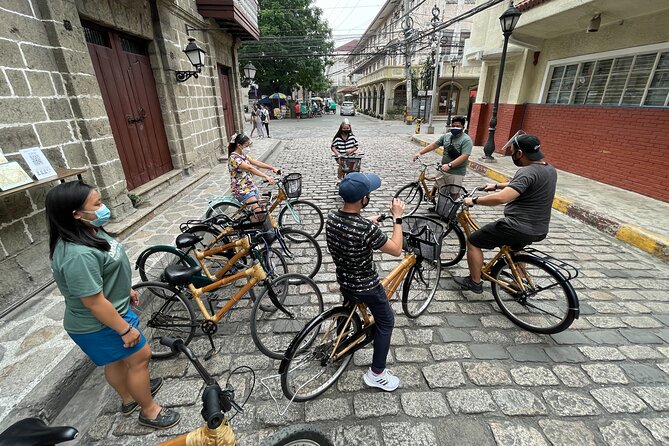
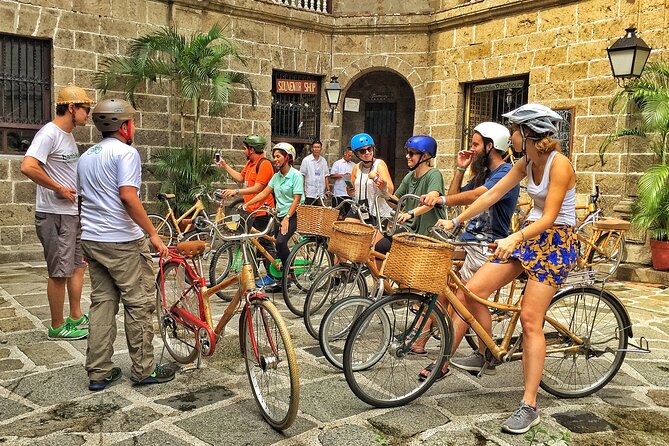
This is one of the smartest ways to see Intramuros fast without feeling like you are speed-walking. You get an easy-to-manage ride on an eco-friendly bamboo bike with a helmet, plus a guide who explains what you are seeing. I especially like that it is an express-style route for short stays in Manila, not a full half-day project, but you should plan for tight turns and uneven old-stone areas inside the walled city.
Two things I really like: you get personal attention in a small group (max 15), and the stops are timed to pack in key landmarks like the Manila Cathedral and the major gates. One consideration, if you hate any kind of physical effort, is that it is still a fun workout on a bike, so go in with a “comfortable and steady” mindset rather than expecting a sit-and-watch tour.
Key things that make this Bambike Intramuros ride worth it
- Small-group feel (max 15), so your guide can actually keep track of the group.
- Bamboo bikes + helmets included, so you show up and ride, no extra rental step.
- Fast route through top sights, built for travelers with limited time in Manila.
- Guided context at each stop, from Spanish-era structures to WWII and Chinese influence.
- Weather support with sunscreen or rain ponchos when needed, so you stay moving.
Price and what you actually get for about $22
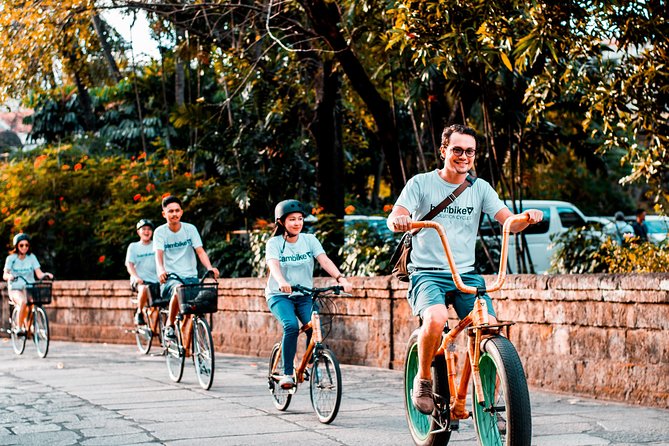
At $22.40 per person, this tour hits a sweet spot for value in Manila. You are paying for more than transport. You are getting a bike, a helmet, and a local guide who ties the landmarks together into a simple story of Intramuros.
Most “sightseeing” in big cities charges extra just for entry tickets or transport. Here, the landmarks along the route are part of the experience without added admissions mentioned in the tour stops. The cost mostly covers the bike experience, guiding, and the time on the streets.
Also, the time matters. This is designed to feel short and focused, about 2 hours. If your Manila plan is packed, that shorter duration can be a real win.
More of Intramuros:
- Manila Old and New: Sightseeing Tour Including Intramuros and Fort Santiago
★ 4.5 · 377 reviews - Manila’s Walled City: Intramuros Walking Tour
★ 5.0 · 82 reviews - Manila: Intramuros, Chinatown, and Old Manila Half-Day Tour
★ 5.0 · 37 reviews
Where the tour starts, ends, and how the timing feels in practice
You meet at Real Street, Intramuros, Manila (1002 Metro Manila). The tour begins at Bambike Ecotours Intramuros, which is at Casa Manila, and it ends back at the same meeting point.
Expect the start to include a quick admin moment. You will fill out waivers and then choose a bike personally based on your preferences to keep things comfortable for the ride. That is a small detail, but it matters. When you set the bike to your comfort first, you spend less time fiddling and more time actually seeing.
The whole route is express in spirit. You are not stuck in long transfers between neighborhoods. Instead, you move stop to stop inside Intramuros itself, where the sights cluster closely.
Bamboo bike riding inside Intramuros (and what to bring mentally)
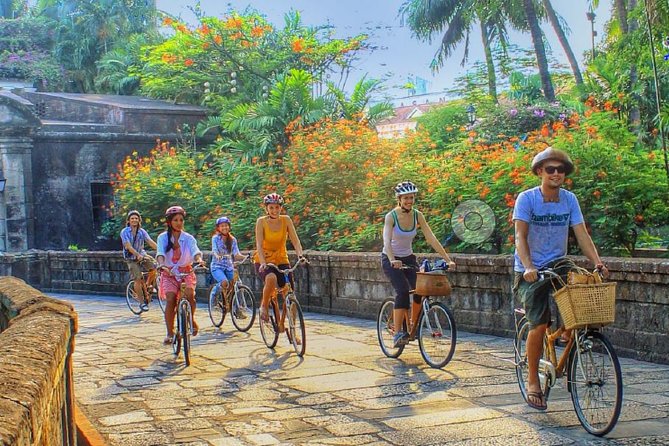
Intramuros is a walking-friendly zone, but it is also an area with old streets and walls, so the ride is not about high speed. You are there to move through history, at a pace that lets the guide explain things.
Since the tour includes a helmet and offers sunscreen or rain ponchos when needed, you can travel light. Still, I suggest you wear practical clothes for cycling and bring basic protection for Manila weather. Think breathable top, comfortable shoes, and something to protect your phone or camera if rain appears.
One bonus: in recent experiences, guides were organized and thoughtful with on-the-ground extras. One review specifically called out items like bike prep plus rain gear, mosquito repellent, and water. Even if you do not get the exact same bundle every day, it is a good sign that the company prepares for real street conditions.
Stop-by-stop: what you are seeing and why each place matters
Something else entirely, still out of Luzon:
- Manila Filipino Cooking Class: Meryenda Favorites
★ 5.0 · 80 reviews - Batad Guided Tour
★ 5.0 · 78 reviews - Manila Super Saver: Manila Sightseeing plus Tagaytay Tour with Taal Volcano
★ 4.0 · 75 reviews - PanoramicTagaytay Ridge Tour from Manila
★ 4.0 · 52 reviews
Stop 1: Bambike HQ at Casa Manila, set up and get oriented
Your first stop is Bambike Ecotours Intramuros at Casa Manila. This is where the tour begins, and it is also where the “you are about to ride” moment happens.
You fill out waivers, and the team chooses your bike based on what you prefer for comfort. It is a straightforward start, but it helps you feel ready quickly.
Casa Manila itself also sets the tone. It is not just a random meeting place. It is tied to the idea of traditional homes inspired by the Spanish Colonial Period. Even before you start rolling, you get a sense that Intramuros is about layered influences, not a single era.
Stop 2: Casa Manila, a Spanish-era house inspired look
This stop is your chance to see a traditional house inspired by Spanish Colonial architecture. This matters because Intramuros is often described as Spanish, but the place is more complicated than one label. The architecture helps you “see” the influence before you hear the full story.
If you only have a short time in Manila, a stop like this is a smart primer. It helps you understand why later walls, gates, and buildings look the way they do.
Stop 3: The Japanese Cannon, WWII history along Muralla
Next, you ride along the street of Muralla and stop at the Japanese Cannon. The guide explains the history of the Japanese Occupation in the Philippines and connects it to World War II.
This is one of the stops where the guide’s explanation becomes the main attraction. The monument itself is a physical reminder, but the real value is the context: why it is here, and how it fits into the conflict history of Manila.
If you prefer history that is explained clearly in plain language, this stop is a good one. It also tends to stick in your memory because it is concrete, not abstract.
Stop 4: Puerta Real Gardens, the main gateway and Spanish defense logic
Puerta Real Gardens is one of Intramuros’ main gates, and the guide walks you through the gate’s history. You also get a look at Spanish defense strategy beyond the walls.
Gates are easy to gloss over if you are just snapping photos. But here, the guide turns it into a “why did they build it like this” moment. Fortification is not just walls. It is how people and movement were managed, how entrances were controlled, and how the city protected itself.
Practical note: this is also a spot where you might get a great sense of the scale of Intramuros. The walls create a natural frame for photos, even in daylight that is not perfect.
Stop 5: Puerta del Parian, Chinese influence and public plazas
Puerta del Parian is another key gate, and the focus shifts to Chinese people and their influence in Philippine history. You also learn about public plazas in Intramuros and how those shared spaces worked.
This is where the tour adds variety beyond Spanish-era-only storytelling. It reminds you that Manila’s history is a meeting point of cultures. Gates and plazas were not just decorative. They were part of how communities and commerce functioned.
If you like context you can use later, take a moment to listen closely here. It is the kind of information that helps you make sense of Manila’s broader blend of cultures.
Stop 6: Aduana Building, the Intendencia and Spanish colonial administration
The Aduana Building, also known as the Intendencia, is a Spanish colonial structure that housed several government offices through the years.
This stop is a quick one, but it is meaningful. It turns the idea of Intramuros from “old buildings” into “how the city was run.” Government spaces are usually less photogenic than churches and gates, yet they are often the backbone of how cities operated.
If you have ever wondered what power looked like in colonial cities, this is where you get that answer.
Stop 7: Plaza Roma, the surrounding establishments and the Manila Cathedral link
Plaza Roma is a public plaza, and you learn about its history plus the establishments around it. The guide also connects it to one of the famous churches nearby, the Manila Cathedral.
Plazas are important in urban design. They are where people gather, where daily life shows up, and where landmarks are anchored. In a short tour, this kind of stop helps you orient yourself so the cathedral stop later feels like a destination, not just another church.
Stop 8: Manila Cathedral, Christianity in the Philippines and the interior
Finally, you reach Manila Cathedral. This is described as the heart of Christianity in the Philippines, and you also get insight into the church’s history plus its interior.
If you care about faith architecture, this is your last big payoff. It is also a strong finish because the cathedral is a recognizable landmark. Even if you are not a “church interior” person, the guide’s history and what you notice inside can change your impression quickly.
Plan for a calm moment here. The ride stops and your attention shifts. That shift is part of why this tour works well as an express option.
Your guide is the difference maker, and you can feel it
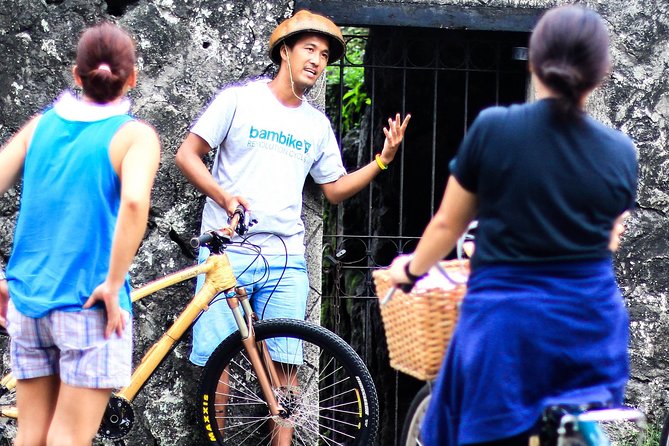
A bike tour can be either just motion or actual learning. This one leans hard into the guide part. In one experience, the guide named Josh was described as fun and informative, with trivia-style jokes that made Philippine history easier to understand. In another experience, a guide named Anj was highlighted as informative and friendly, with mention of stopping by a cafe area for ice cream afterward.
Those comments matter because they suggest the tour is paced for real listening, not just passing through landmarks.
Group size, personal attention, and how that affects comfort
The tour caps at 15 travelers. That limit changes how you experience the ride. Your guide can manage timing, keep an eye on who is moving at the right speed, and explain without rushing.
Also, the tour uses a bamboo bicycle and helmet included, so the group is set up with similar gear. That reduces chaos and makes the whole thing feel more controlled.
If you prefer small group travel over big bus tours, this fits that style.
What is included, what is not, and how to plan food and drinks
Included:
- Local guide and tour escort/host
- Bamboo bicycle and helmet
- Sunscreen or rain ponchos when needed
- Gratuities
Not included:
- Food and drinks, unless specified
- Alcoholic drinks are available to purchase
Because food is not guaranteed as part of the plan, I suggest you either eat before you go or keep a little flexibility for a snack afterward. If you are hoping for an ice cream stop, it sounds like that can happen as part of the experience with some guides, but treat it as a bonus, not a fixed schedule.
Weather: the tour runs, but you still need to dress smart
The tour operates in all weather conditions, and they also mention that good weather is required. If poor weather cancels the tour, you are offered a different date or a full refund.
So your move is simple: dress for Manila conditions. Bring layers you can adjust, and if you expect rain, wear something you can handle getting a bit damp. The tour includes rain ponchos when needed, which helps, but comfort still comes from what you wear.
Is this a good fit for you?
You should book if:
- You have limited time in Manila and want a compact Intramuros route
- You like active sightseeing (bike riding, not just walking)
- You value context, not just photos, especially for WWII history and Spanish-era landmarks
- You prefer a small group experience
You might skip or reconsider if:
- You want a completely low-effort tour
- You are very sensitive to weather changes and plan to stay in a fully indoor mode
- You need a longer, slower version of Intramuros with more time inside each site, not quick explanations at multiple stops
Quick FAQ
FAQ
How long is the Express Bamboo Bike Tour inside Intramuros?
It is about 2 hours.
Where does the tour start and end?
It starts at Real Street, Intramuros, Manila (1002 Metro Manila, Philippines) and ends back at the same meeting point.
What is included in the tour price?
Included are a local guide, a tour escort/host, use of a bamboo bicycle, a helmet, sunscreen or rain ponchos when needed, and gratuities.
Is food or drinks included?
Food and drinks are not included unless specified. Alcoholic drinks are available to purchase.
How big is the group?
The tour has a maximum of 15 travelers.
Does the tour operate in bad weather?
It operates in all weather conditions, but it requires good weather. If it is canceled due to poor weather, you are offered a different date or a full refund.
Should you book this Intramuros bamboo bike tour?
If you are thinking, “I want to see the highlights of Intramuros and still have energy left for the rest of your day,” then yes, I would book it. For roughly $22, you get a bike and helmet plus a guide-led route that connects Spanish architecture, WWII history, and cultural influence in a way that is easier to remember than a list of landmarks.
Just go in expecting an active, short, moving experience, not a slow museum tour. If that fits your style, this express Bambike ride is a smart way to get your bearings fast and actually understand what you are looking at.
Newest reviews around Luzon
- Private Airport Transfer Manila to Hotel in Manila or vice versa★ 5.0 · 3 reviews
- Sagada and Banaue Rice Terraces 4-Day Tour★ 5.0 · 4 reviews
- Manila Social and Political Walk★ 5.0 · 4 reviews
- Day Hike: Mount Daraitan plus Tinipak River start point Manila** updated 2022★ 5.0 · 4 reviews
- The Jeepney & Tuk Tuk Adventure ride with Local Guide★ 4.5 · 4 reviews
- Angeles City / Clark Airport to La Union (Bauang, San Fernando, San Juan)★ 3.5 · 4 reviews
- Personal Tour Guide in Manila Philippines★ 5.0 · 4 reviews
- The Oldest Chinatown in Manila with Local Guide★ 5.0 · 4 reviews
Intramuros, compared.
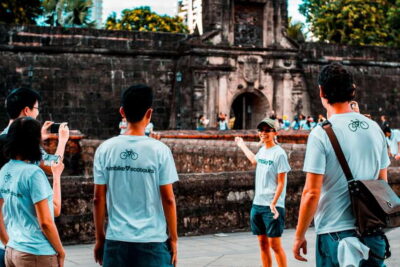
Intramuros, Manila: Historical Bamboo Bike Tour
Read our review →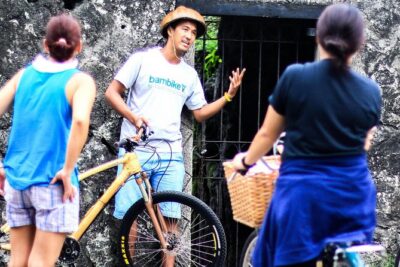
Experience Intramuros with Bamboo Bicycle – Ecotours
Read our review →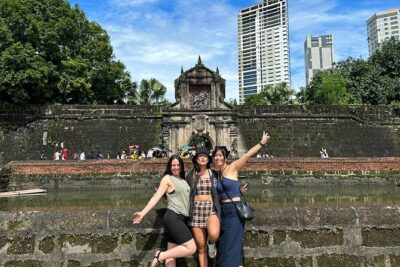
Intramuros, Chinatown, and Old Manila Half-Day Tour
Read our review →
Manila Old and New: Sightseeing Tour Including Intramuros and Fort Santiago
Read our review →
Explore Intramuros: Introduction to Philippine History
Read our review →
Experience Manila’s Heritage: Intramuros & More in Half a Day!
Read our review →Browse the lists this tour appears in