Reviewed · GUIDED
Manila Hidden Gems with local guide
What makes this tour interesting is that you are not just seeing Manila, you are walking through it the way people actually live, work, and move. I love the Jeepney or tricycle ride, because it instantly explains local rhythm without needing a textbook. I also love the wet market stop, where you can shop like a neighbor and get real context for daily life in Manila. One consideration, this is a working neighborhood, so expect sights, sounds, and smells that come with real street living.
I really like that the tour is short, about 2 hours, and capped at a small group, so you get time to ask questions and take in details without rushing. I also like that you get bottled water plus a welcome drink, and even a photo-shot, which makes the experience feel thoughtfully planned rather than just a walk with no extras.
Do note that food tasting is not listed as included. You might pass street food moments, but you should plan to buy your own snacks if you want to eat. Good weather matters too, since the experience needs decent conditions for safe walking.
Key highlights you’ll feel fast
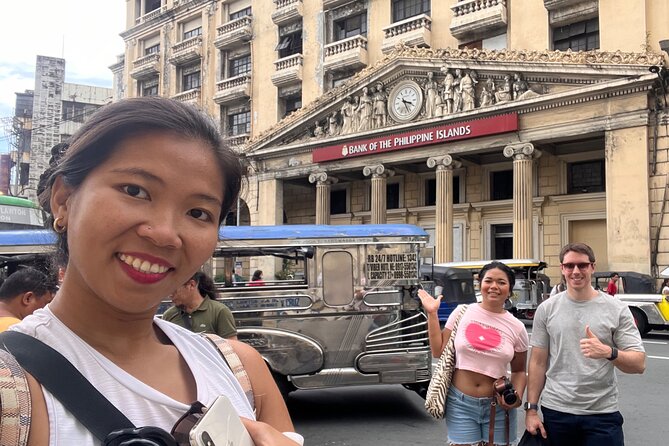
- A guide named Mari leads you through the Tondo and Binondo streets she grew up around
- Jeepney or tricycle ride gives you the real local transport experience in a compact tour
- Chinatown alley time plus 1595 structures helps you see how old Manila looks right next to daily life
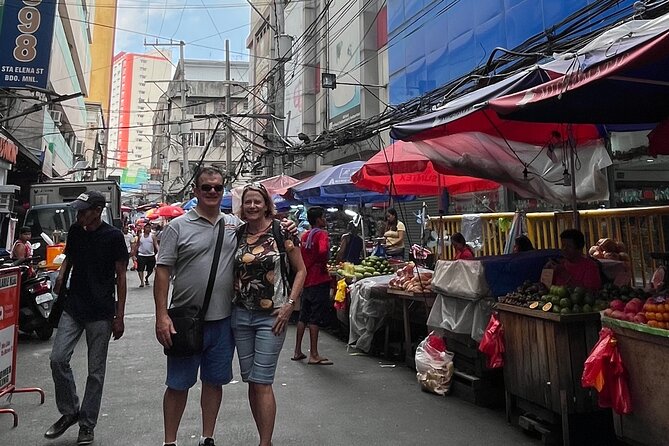
- Traditional open wet market shopping for clothes, housewares, and fruits at prices that can be easier on your budget
- Back-alleys and older apartments where everyday routines happen in open-air spaces you might not notice on your own
- Small group, max 10 people, so the guide can keep things calm and personal
First stop: 1919 Grand Cafe in Binondo
Your tour starts back at 1919 Grand Cafe at 117 Juan Luna St, Binondo, Manila. That matters more than it sounds. Binondo is close enough to Chinatown that you can orient yourself quickly, but you are also at a real meeting spot rather than a vague landmark in traffic.
Show up with comfortable shoes. You will be on foot for the bulk of the experience, plus you will add a short local transport segment. If you hate walking through busy streets, this may feel like work. If you like getting your bearings by moving through neighborhoods, you will enjoy how fast the area starts to make sense.
The tour includes a welcome drink and bottled water. That is a small thing, but it helps when you are walking in Manila heat. You can save your energy for the street scenes that matter: how people talk, shop, and move.
A few other Luzon trips to line up
- Batad Guided Tour
★ 5.0 · 78 reviews - The Hidden Gems of Manila Guided Tour
★ 5.0 · 42 reviews - Manila Intramuros Walking tour with Local Tour Guide
★ 5.0 · 33 reviews
Riding the Jeepney or Tricycle: the real Manila lesson
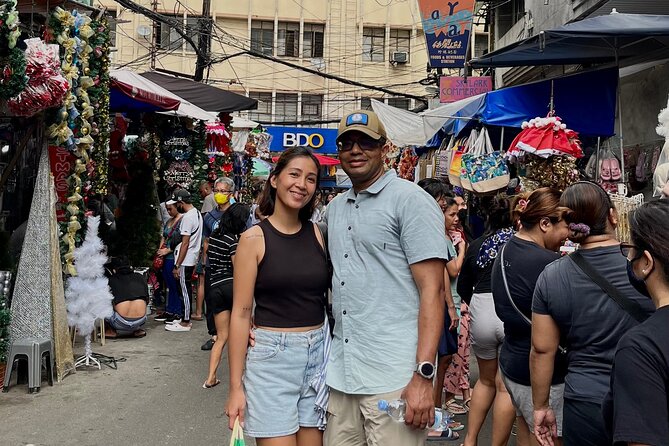
One of the best parts is the local transport. The tour includes an experience on a Jeepney or a tricycle, so you are not stuck watching from the sidewalk.
Why this matters: transport is culture in Manila. Even when you are just sitting for a few minutes, you feel the pace. People queue, wave, bargain for a seat, and react to the driver like they all share the same rules. It helps you stop treating the city like a museum and start treating it like a system.
Practical tip: when you ride, keep your phone secured. Not for drama, just because street life is active. Then look around at everyday details, like how locals handle bags, coordinate with family, and keep chatting while moving. That is the point.
Chinatown alley walking, plus the 1595-era structures
The walk takes you into Chinatown alley areas, where you get a tighter view of old building lines and street geometry. This is where the city can look surprisingly layered: commercial edges, narrow lanes, and structures that have survived long enough to shape what you see today.
You also get time to explore old buildings and structures dating back to 1595. Even if you are not the type to study architecture, this still lands. Old structures make the neighborhood feel grounded, not temporary. You can see how history lives in the street scale, not only in distant monuments.
What to watch for as you walk:
- How lanes connect, like the neighborhood was designed for people moving on foot.
- How shopfronts and entrances spill toward the street.
- How older building features sit right next to newer daily uses.
One drawback to consider: alley walking means you are close to crowds and storefront activity. It is not hard, but it is more intense than a quiet park stroll. If you get overwhelmed by close quarters, tell the guide early so they can pace you and choose where you pause.
Street food focus, with a clear expectation
You get a segment focused on street food types. That is a good sign, because Manila street food is not just “snacks.” It is how many people eat, socialize, and run errands.
Important note: food tasting is not included. That means you should treat any street food stops as “opportunities” rather than a guaranteed meal. If you want to try things, budget a little extra cash. The guide can point you toward what locals typically choose, but you will still likely pay on your own.
How to get more from the street food portion:
- Ask what a vendor makes fresh versus what sits ready.
- Pay attention to smell and turnover, not just price.
- Keep your water handy, since walking plus street food can add up fast.
If you have a sensitive stomach, stick to simpler items and go slow. The goal here is understanding daily life, not forcing a full tasting menu.
Something else entirely, still out of Luzon:
- Manila Old and New: Sightseeing Tour Including Intramuros and Fort Santiago
★ 4.5 · 377 reviews - Manila’s Walled City: Intramuros Walking Tour
★ 5.0 · 82 reviews - Manila Filipino Cooking Class: Meryenda Favorites
★ 5.0 · 80 reviews - Manila Super Saver: Manila Sightseeing plus Tagaytay Tour with Taal Volcano
★ 4.0 · 75 reviews
The wet market stop: shopping for real daily needs
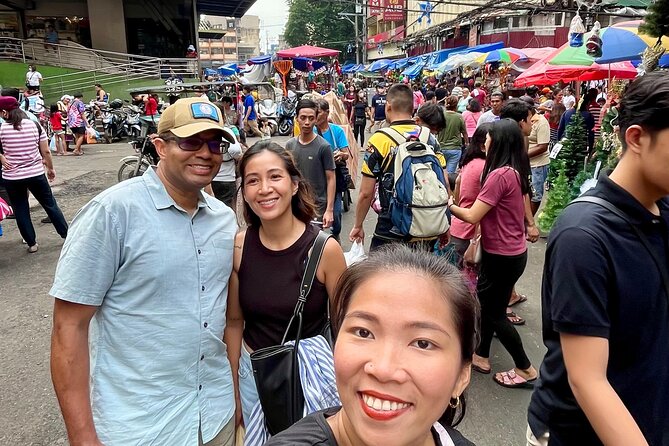
Next comes a traditional open wet market stop, plus walking time through shopping areas that include housewares, clothes, and fruits. This is one of the most practical parts of the tour, because it is not staged for tourists.
Why this is valuable: markets teach you the local economy in an honest way. You see what people buy, how they display goods, how they chat while shopping, and how price feels in context. Even if you do not plan to buy much, you get a feel for what is affordable and what is “everyday.”
What you can do during this stop:
- Browse casually first, then decide if you want anything.
- Ask questions about product types, especially for fruits and common household items.
- Use the moment to practice being polite and calm, since markets move at a human pace.
If you do want to shop, keep your purchases light and easy to carry. This is a walking tour, so you do not want to end up with bags you regret later. A small tote bag can help, and so can choosing items you can finish quickly, like fruit.
Old apartments and open-air routines you might otherwise miss
The tour also includes time around older apartments and hidden areas where everyday life can happen in open-air spaces. Depending on what you see on your date, you might notice routines that would be considered unusual for visitors who mostly stick to polished tourist zones.
Think of it as learning how people adapt their homes to the climate and daily rhythm. In many older neighborhoods, courtyards and open spaces become multipurpose areas. You might see bathing or dining in outdoor or semi-outdoor settings. You might also see neighbors using the street edge to live and work.
This is where respectful behavior matters most. Keep your distance, don’t photograph people without clear permission, and let the guide lead the pace. Your goal is understanding, not turning life into content.
This part of the experience is often what makes the tour emotionally stick. One of the clearest themes from past participants is that the area shows real daily struggles, but also real energy and genuine friendliness. It can leave you with a new perspective on resilience.
How the tour keeps it safe and comfortable
You are in a neighborhood where you need common sense, just like at home. The good part is that this is led by a local guide, including Mari, so you are not wandering alone and guessing your way through back alleys.
Also, the tour is capped at a maximum of 10 travelers, which usually means the group stays manageable. It is easier to stop, regroup, and ask questions without everyone getting tangled.
Small comfort details help too: bottled water, welcome drink, and a photo-shot included. That photo-shot can be a nice memory marker at the end, especially since walking tours can blur together.
If you are sensitive to crowd noise, go in with the mindset that this is a street-level neighborhood tour. You will not be chasing quiet “viewpoints.” You will be learning by watching and walking.
Price and value: why $55 can work here
The price is $55 per person for an experience that runs about 2 hours. On paper, that might sound like a lot for a walking tour. In practice, value comes from the combination of three things you often pay for separately: a local guide, local transportation (Jeepney or tricycle), and included extras like bottled water, a welcome drink, and a photo-shot.
Since food tasting is not included, you should think of the price as covering guidance and access, not a full meal plan. If you plan to snack, set a small budget for street food purchases and market items.
Timing helps with value too. If the tour is booked around a month in advance on average, that means demand is steady. Better availability can be a sign of consistent quality, especially for a guide-led neighborhood walk.
My take: for a short, guide-supported cultural walk with real local transport and a market stop, $55 can feel fair, especially if you care about daily-life context rather than only checking “must-see” sights.
Best fit: who should book this neighborhood walk
This tour is a strong choice if you want to experience Manila through daily life, not through isolated tourist landmarks. It is also ideal if you like walking with a plan, where each stop has a purpose: transport, alley time, older structures, street food focus, and market browsing.
You will likely enjoy it most if you:
- Are curious about neighborhoods like Tondo and nearby Chinatown areas
- Like cultural learning through streets, not only museums
- Prefer smaller groups and conversation with a guide
- Want a short activity that still feels substantial
You might reconsider if you:
- Want a sightseeing-heavy tour with major monuments
- Hate markets and street food environments
- Need a very quiet, low-traffic experience
Making the most of it: simple prep tips
If you want this to feel smooth, prepare like a good walking-tour partner.
Wear:
- Comfortable shoes you can walk in on uneven street surfaces
- Lightweight clothing for heat
Bring:
- A small cash amount if you want to buy street food or market items
- A way to keep your phone secure during transport and crowded alleys
Bring your mindset:
- Ask questions when you stop. That turns walking into learning.
- Be polite around vendors and residents. This tour is about human routines, not staged photo ops.
Should you book this Manila street-life tour?
Yes, if you want a short, high-context experience that shows you how locals move through Tondo and Chinatown areas. The combination of local transport, Chinatown alley walking, older structures from 1595, and a traditional open wet market stop is a practical way to understand Manila beyond postcards.
I would book it particularly if you like learning from a guide such as Mari, who can explain what you are seeing and help you navigate areas most visitors would not choose on their own. It is also a solid choice if you prefer small groups and clear structure in a 2-hour window.
Skip it only if you want classic tourist attractions or a guaranteed food-tasting meal. This is a street-focused cultural walk, and it works best when you show up ready to watch, ask, and participate at your own pace.
FAQ
What is the duration of the tour?
The tour lasts about 2 hours.
How much does the tour cost?
It costs $55.00 per person.
What is included in the price?
The tour includes bottled water, a welcome drink, local transportation experience (Jeepney or tricycle), and a photo-shot.
Is food tasting included?
Food tasting is not included.
Where does the tour start and end?
It starts at 1919 Grand Cafe, 117 Juan Luna St, Binondo, Manila, and it ends back at the meeting point.
How many people are in the group?
The tour has a maximum of 10 travelers.
What happens if weather is poor?
This experience requires good weather. If it is canceled due to poor weather, you will be offered a different date or a full refund.
Newest reviews around Luzon
- Private Airport Transfer Manila to Hotel in Manila or vice versa★ 5.0 · 3 reviews
- Sagada and Banaue Rice Terraces 4-Day Tour★ 5.0 · 4 reviews
- Manila Social and Political Walk★ 5.0 · 4 reviews
- Day Hike: Mount Daraitan plus Tinipak River start point Manila** updated 2022★ 5.0 · 4 reviews
- The Jeepney & Tuk Tuk Adventure ride with Local Guide★ 4.5 · 4 reviews
- Angeles City / Clark Airport to La Union (Bauang, San Fernando, San Juan)★ 3.5 · 4 reviews
- Personal Tour Guide in Manila Philippines★ 5.0 · 4 reviews
- The Oldest Chinatown in Manila with Local Guide★ 5.0 · 4 reviews
Guided, compared.

Private Boat Hire with Guided Tour and Lunch on Beach
Read our review →


Waterfall Hopping & Secret Jungle Trails Guided Tour
Read our review →