
Reviewed · SCUBA DIVING
WaterColors – PADI Scuba Diver Certification in Boracay
This PADI scuba certification in Boracay is interesting because it compresses real training into a focused two-day schedule, right on a beach you’ll actually want to be on. The course stays tightly PADI-standard focused, with safety as the first priority.
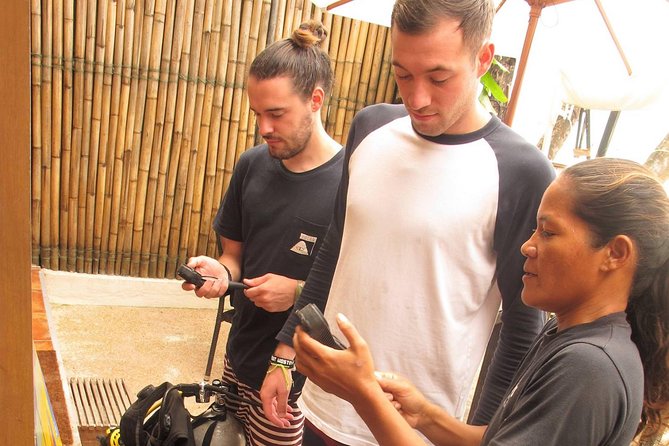
I really like two things about WaterColors. First, all scuba equipment and the PADI course materials are provided, so you can travel light and start training without extra shopping. Second, instruction style is consistently praised, including coaches like Jimmy and instructors such as Jenny Jara, who are patient and make sure you understand what you are doing.
One consideration: you need to do the paperwork and health steps ahead of time, including a health questionnaire and required PADI forms, plus there are physical requirements (good fitness, height and weight details, and medical conditions that may affect scuba clearance). If that part feels like a hassle, plan for it early.
Key things that make this course worth your time
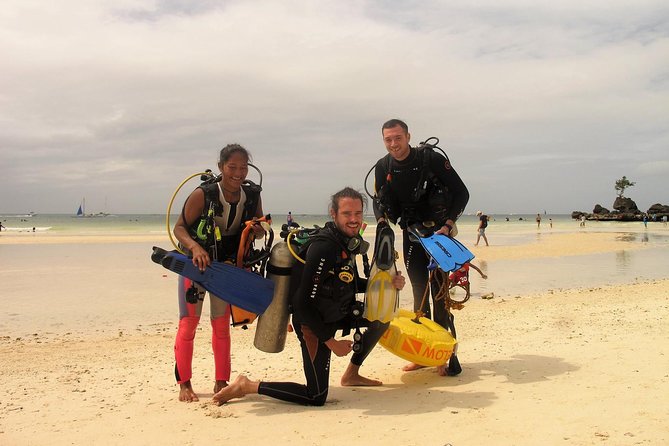
- Small group size (max 15), which usually means more attention during skills practice
- Equipment and PADI materials included, so you are paying for training, not gear hunting
- Structured plan across two days, with theory sessions, confined-water skills, and open-water practice
- Bev breaks daily (coffee, tea, or water), helpful when you are working hard in the sun
- Instructor-led pacing, with multiple instructors noted for patience and clear explanations
- Underwater photo add-ons available for purchase, if you want a keepsake
Boracay scuba certification with WaterColors, and why the small group matters
Boracay is one of those places where it is easy to overplan and end up doing random activities. This course is different. It turns your vacation time into a clear training path, with a fixed rhythm each day and instructors who guide you step-by-step.
The biggest practical win is the small group. When you have fewer people in the program, you tend to get more time to ask questions and more chances to repeat skills while the instructor can actually watch. In a place that can feel busy, that matters.
You also get the confidence of a PADI-structured approach. The course follows the standard safety and training flow, and the schedule is built around theory first, then skills in shallow water, then open-water training once you are ready. That order helps you stop guessing and start building real comfort.
More Scuba Diving in Panay Island
- Discover Scuba Diving in Boracay with U/W Photo and Video
★ 5.0 · 14 reviews - Boracay Island Hopping + Hot Kawa + Parasailing + Helmet Diving
★ 3.0 · 10 reviews - Boracay PADI Discover Scuba Diving
★ 5.0 · 9 reviews
Price and value: what $485 covers, and what you still pay for
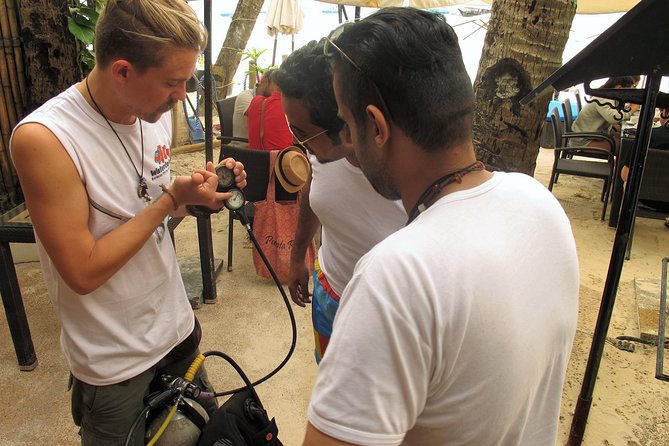
At $485 per person, this is not a bargain-basement activity. But the value is strong because several expensive extras are folded in. You get the PADI scuba instructor, the PADI course materials, and certification processing. You also get scuba equipment included, which can be one of the biggest hidden costs if you do not bring your own.
Then there are the smaller but real savings. You get coffee, tea, and water each day, which helps you keep energy up between classroom time and water time. And because the course is two days, you are paying for a compact training window instead of spreading it into multiple paid segments.
What you do need to expect is what is not included. Food and drinks are not automatically covered beyond what is stated, and souvenir photos are sold separately. Hotel transfers are also not included, so you will want to handle getting yourself to the meeting point.
Also, if you are coming from another island or planning flights soon, check your timing. The course notes that doing scuba within 48 hours of flying is not recommended. Plan an extra buffer so you are not rushed into a health and safety issue.
Day 1 in Panay: registration, theory, confined-water skills, then first open-water practice
Day 1 starts with the boring but important parts: registration and documentation. You can start at 10:00 am, but there is also an option to start as early as 8:30 am and finish earlier on the second day. If you like mornings, ask about the earlier start when you book.
After that comes the main classroom work, which is not just a lecture. You go through dive theory in a structured way: you watch videos, read course materials, do knowledge reviews, take quizzes, and then go through logged session debriefing and wrap-up. By the end of the course, you will have watched three videos, completed three knowledge reviews, and done two quizzes. That tells you the emphasis here is on understanding, not just memorizing.
Then you move to water training in a controlled way. The program includes confined-water skills training, starting shallow and gradually practicing in areas where you cannot simply stand. By the end of day 1, you complete three confined-water training modules. This is where the course does its best work for nervous first-timers, because the skills are repeated in a safe environment with coaching right there.
Once you have those skills, you step into your first open-water session. This is done from a boat to a suitable depth for the course. The goal is not showing off. It is building comfort and applying the skills in a real environment.
The day wraps with logging your training and continuing with any remaining theory items. If you are the type who likes structure, you will appreciate that the course keeps track of what you completed and what comes next.
What can be tricky about day 1 is the energy level. You have theory blocks, then repeated skills practice, then an open-water session. Drink water and eat something before you arrive if food options nearby are limited. Even with coffee and water provided, your body still needs real fuel.
Day 2: more skills practice, open-water work, and the certification paperwork
Day 2 begins again with confined-water skills training at 8:00 am. This is a good sign. It means you are not rushed straight into open-water work without further reinforcement. It also gives you a second chance to iron out anything that felt unclear on day 1.
Then you do Open Water Dive 2 at 9:00 am. In plain terms, this is your second open-water session, which is the course’s way of confirming you can do the basics more confidently when conditions are less “classroom-like.”
After that, you return to theory. There is a dive theory block at 11:00 am, followed by a lunch break. Lunch is a break, not a promise of included food, so check what is provided versus what you need to buy.
In the early afternoon, you focus on logging, catch-up skills, and any theory you did not complete. This is the practical part many people miss when they only look at the headline “two days.” The course is designed so you finish with everything required for certification, even if you need extra time on certain skills.
Finally, there is the paperwork for certification and then it ends back at the meeting point. The result is that you are not left guessing what you still need to do. You complete the course flow while you are on-site.
Something else entirely, still out of Panay Island:
- Boracay Sunset Cruise with Party DJ & Unlimited Food and Drinks
★ 5.0 · 211 reviews - 4 Hour Private Boracay Island Hopping Tour
★ 5.0 · 167 reviews - WaterColors – Open Water Diver Certification in Boracay
★ 5.0 · 35 reviews - Private Boracay Parasailing Adventure
★ 5.0 · 26 reviews
Safety and instruction style, featuring Jimmy and Jenny Jara
When you are spending time underwater, safety is not a marketing line. Here it is treated like the backbone of the schedule. The course is designed to strictly follow PADI standards, and that shows up in how the training builds in stages.
You start with theory. You do controlled skills in shallow water. Then you move to open-water training when you are ready. That progression reduces the chance that you are practicing complicated tasks while stressed or confused.
What also stands out is how instructors are described. People specifically call out patience and clear explanations. Jimmy is named in multiple experiences as a caring teacher who takes time and makes sure you understand before you go when it is your turn. Jenny Jara is also mentioned positively for patiently explaining details and making sure the learning sticks.
There is another subtle but important detail in the reviews and training structure: this is not a “rush everyone through” style. Students mention being taken seriously and being taught at the right pace. In practical terms, that means you are more likely to walk away with skills you can actually reuse later, instead of just getting a card.
If you are anxious about water or you are not confident in swimming, ask questions before booking. The course notes a minimum age of 10 and mentions physical fitness, so it is best to be honest about where you are starting. The training can work well for beginners, but you should still check your own readiness.
Where you meet near Willy’s Rock, and how to show up ready
The meeting point is at WaterColors Boracay on the Boracay Highway, Beachfront near Willy’s Rock and roadside next to Balabag Plaza. That location is handy because it is in the central White Beach area (Station 1). It also means you can usually grab your way there without a complicated transfer.
Start time in the meeting instructions is listed as 8:00 am, with the option to start earlier at 8:30 am. If you are choosing the earlier option, plan to arrive a little before you think you need to. Sun, gear setup, and paperwork will eat up time.
What you should bring is partly obvious and partly required by their process:
- The course requires you to complete and bring PADI documentation. The provider lists forms on their site, and you are told to sign, print, and bring them.
- You must complete a health questionnaire and print the medical statement participant record if you are instructed to do so. Some medical conditions, like asthma or heart conditions, may prevent you from scuba. If you are unsure, talk to your doctor.
- You will need to provide your height and weight at booking. Do not skip this, since it is required.
You also need strong physical fitness per the course notes. If you are coming straight from a long travel day, consider resting first. Scuba training is not the place for “I slept poorly but I will power through.”
Service animals are allowed, and the course says it may be run by a multi-lingual guide depending on availability. If language support matters to you, ask when you book.
Is it worth your time in Boracay? Who this course fits best
This is a good fit if you want a structured start to your PADI path and you like the idea of training in small groups. You are also a good match if you prefer clear coaching over guesswork, because the program is built on theory, repeated skills, and instructor-led feedback.
It also fits well if you are traveling with a partner and you do not want to split time into separate gear rental days or separate training segments. Everything key is included: instructor, materials, certification processing, and equipment.
It is less ideal if you hate paperwork days, because you do need to do health checks and bring signed forms. It is also not ideal if you are planning to fly soon, since the course warns against scuba activity within 48 hours of flying.
Age-wise, the minimum age is 10 years, which makes it potentially workable for older kids with good fitness and parent support. Still, talk through the medical and comfort requirements before you commit.
Should you book WaterColors for PADI Scuba Diver training in Boracay?
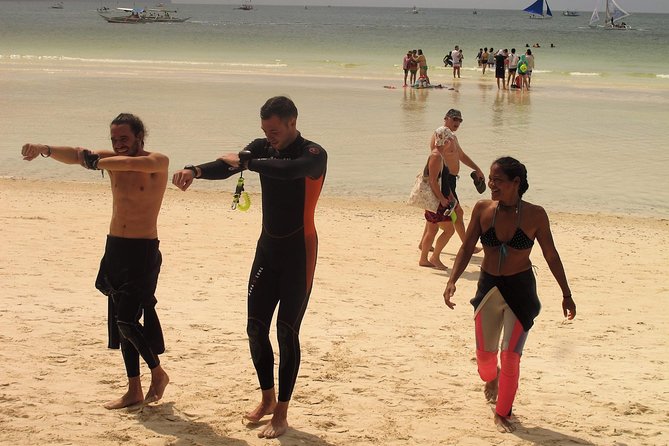
Book it if you want real training time, not just a quick experience. The mix of theory, confined-water skills modules, and open-water sessions is designed to build capability step-by-step. The included equipment and certification processing make the price easier to justify than options where you pay extra for everything.
Think twice if you are not ready for the admin and health steps, or if your schedule is tight with flights. If you arrive with the right mindset, follow the paperwork rules, and show up rested, this course can be a smart, confidence-building way to start your PADI scuba journey in Boracay.
FAQ
How long is the WaterColors PADI Scuba Diver course in Boracay?
The course runs for 2 days. Day 1 includes registration, theory sessions, confined-water skills training, and an open-water session. Day 2 includes more confined-water training, another open-water session, additional theory, and certification paperwork.
What time does the course start?
The meeting point lists a start time of 8:00 am. There is also an option to start at 8:30 am and finish the course earlier the next day.
What is included in the $485 price?
The price includes a PADI scuba instructor, PADI course materials and certification processing, use of scuba equipment, and beverages (coffee, tea, or water). It does not include food unless specified, souvenir photos, or hotel transfers.
Do I need to bring my own scuba gear?
No. The course includes use of scuba diving equipment, so you do not need to bring your own gear.
Is food included during the course?
The itinerary includes lunch breaks, but food is not listed as included unless specified. Beverages like coffee, tea, and water are included each day.
What paperwork do I need to complete before scuba training?
You must complete a health questionnaire and bring required PADI documentation, including forms listed by the provider. The course notes that you should review the medical statement and bring the printed participant record.
What is the minimum age, and how big is the group?
The minimum age is 10 years. The program lists a maximum of 15 travelers, keeping it in the small-group category.
If you want, tell me your age, experience level (brand-new, some pool practice, etc.), and whether you have any medical conditions. I can help you figure out if this schedule and pacing match your situation.
Newest reviews around Panay Island
- WaterColors – Kids’ Discover Scuba Diving in Boracay for 10 years old and up★ 4.0 · 3 reviews
- Mandala Wellness Spa in Boracay★ 4.0 · 5 reviews
- DiveGurus -Scuba Diving for Kids(Ages 6-11yrs)★ 5.0 · 5 reviews
- Boracay Half Day Land Tour with Puka Beach★ 3.0 · 6 reviews
- Mainland ZipLine Experience in Boracay★ 5.0 · 8 reviews
- Boracay PADI Discover Scuba Diving★ 5.0 · 9 reviews
- BORACAY ISLAND HOPPING TOUR with LUNCH★ 3.0 · 10 reviews
- Boracay Island Hopping + Hot Kawa + Parasailing + Helmet Diving★ 3.0 · 10 reviews
Scuba Diving, compared.
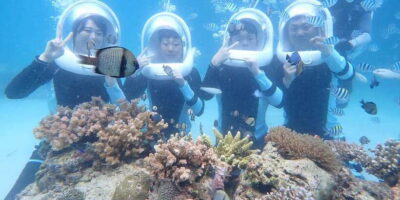
Helmet Diving Experience with Photos and Videos
Read our review →
Island Hopping with Crystal Kayak & Helmet Diving
Read our review →
Discover Scuba Diving with Manta Rays in Sibaltan
Read our review →Browse the lists this tour appears in