
Reviewed · SCUBA DIVING
Boracay: Introduction to Scuba Diving Experience
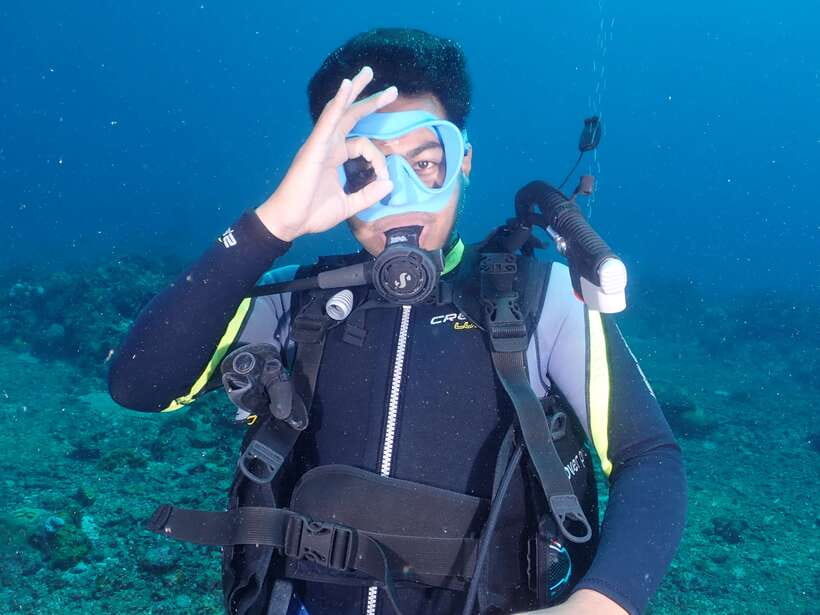
A first-time scuba session in Boracay is compelling because you go from sand-level nerves to floating above real coral in a single morning or afternoon. I love the step-by-step PADI-style coaching (the theory first, then hands-on practice close to shore) and I love the small-group setup with instructors keeping a close eye on you. The one drawback to consider is that it is not for everyone medically, and the time underwater is short by design, because it’s meant to keep learning safe and comfortable.
I also like the structure: you start at a clear meeting point in Station 1, get kitted out by the team, practice equalizing and basic skills, then head out for a guided underwater visit to a beginner-friendly depth. You’ll choose a start time of 9:00 AM or 1:00 PM, and the whole experience is about 2 to 3 hours.
A nice added touch is the memory package. You get complimentary photos and/or videos plus a digital certificate right after you finish, so you can actually show people what you did, not just remember it vaguely.
Key Things That Make This Intro to Scuba in Boracay Work
- Beginner-first coaching with a theory briefing plus hands-on practice in calm, confined water near shore
- Strict depth plan for beginners, typically up to about 6 meters (about 20 feet) with a maximum of 12 meters (about 40 feet)
- Small group ratios (about 1 instructor for every 2 to 4 participants), which helps you get checked often
- Gear included so you do not waste time shopping or guessing what fits
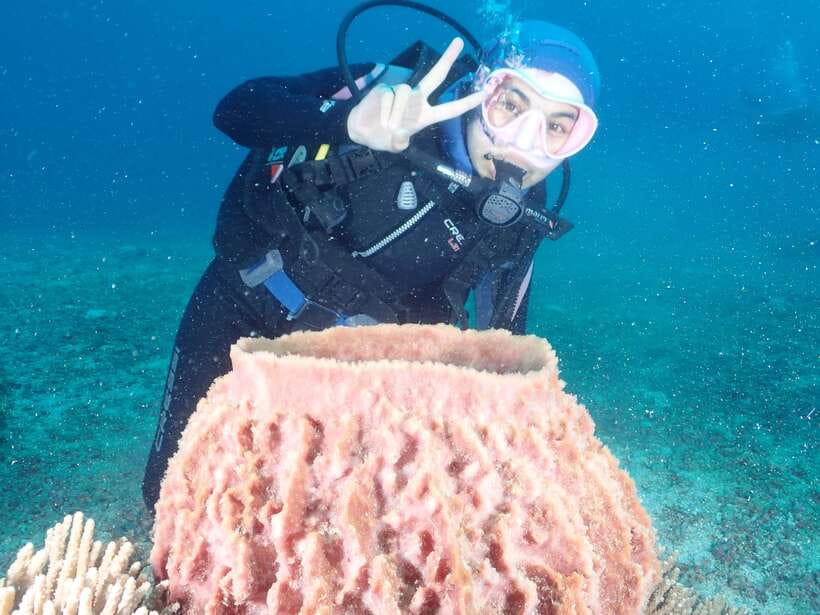
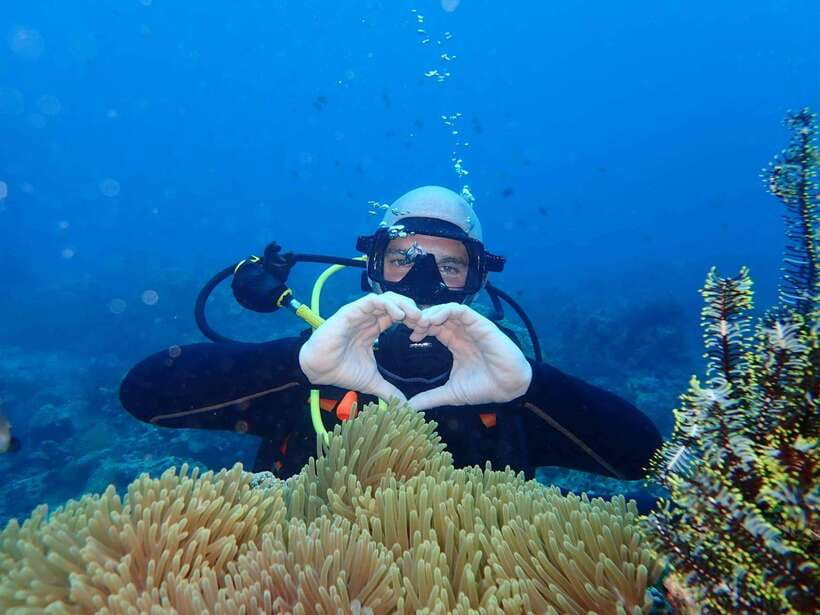
- Marine life at close range, including colorful reef fish, and the chance of seeing a turtle
- Underwater media included plus a digital completion certificate
Meeting in Station 1, Then Getting Sorted Fast
Your day starts at Astoria Station 1 Beach Front, right in front of Tiger Sugar Cafe. Look for the Boracay Adventures Guide holding a Get Your Guide sign, so you can spot them quickly and not spend your first 15 minutes searching.
This matters more than it sounds. With a first-time scuba experience, you want to build momentum, not stress. When you arrive early, you can get fitted with your mask and BCD without rushing, and that makes your practice session calmer.
You do not get hotel pickup or drop-off, so plan to meet the group on your own. The good news is that the meeting point is straightforward and right on the beachfront area.
More Scuba Diving in Boracay
- Boracay: Helmet Diving Experience with Photos and Videos
★ 4.7 · 155 reviews - WaterColors – Discover Scuba Diving in Boracay
★ 5.0 · 127 reviews - Boracay: Island Hopping with Crystal Kayak & Helmet Diving
★ 4.6 · 34 reviews
Theory, Safety Rules, and Hand Signals That Actually Help
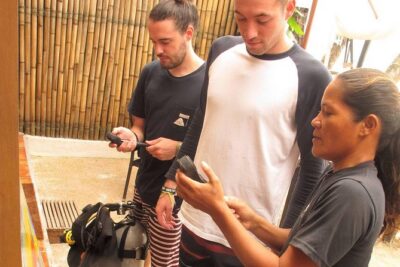
Before you put anything in your mouth, you get a briefing with a certified PADI instructor. You’ll cover breathing underwater basics, how to equalize pressure, and how the equipment works (especially the regulator and BCD).
You also learn the practical communication part: hand signals for talking underwater. This is the difference between feeling helpless and feeling supported. Once you know what the guide will do and how you should respond, you can focus on breathing and buoyancy instead of guessing.
A common theme in the experiences people described is that the instructors stress fundamentals early, and then they keep reinforcing them. That approach makes sense for nervous first-timers, because confidence usually comes from repetition, not from hope.
Getting Fitted: Mask, Regulator, BCD, Tank, Weights, and More
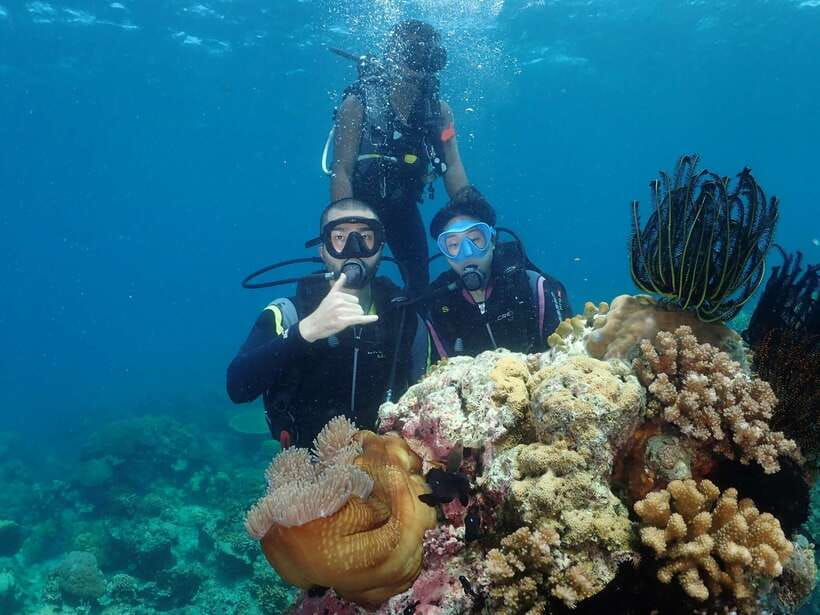
Next comes gear. You’ll be fitted with the full set of scuba equipment: mask, fins, wetsuit, regulator, BCD (the vest that holds your tank), snorkel, tank, and weights. Since it’s all included, you’re not stuck converting local sizing charts while your tour clock runs.
The fitting step is worth paying attention to. A good mask seal and comfortable fin fit reduce the little frustrations that can snowball when you’re learning pressure and breathing underwater.
If you’re worried about getting the wrong gear, you’ll likely feel better after you’re helped into it. Several people noted that the team made sure everything fit properly, and that the staff checked on them regularly while practicing and underwater.
Shallow-Water Practice Near the Beach, Skills First
Once you’re geared up, you move into confined water training near shore (calm conditions, controlled space). This is where you learn the skills that make your open-water time less stressful.
You’ll practice breathing through the regulator, clearing water from the mask, and regaining your regulator. Those are not fancy tricks. They are the basics that keep you calm if something small goes wrong.
A lot of first-timers worry about equalizing pressure, because it can feel weird at first. The good practice here is that you do not just hear about it, you try it with your instructor right there.
Some experiences also described a pool-like setup for breathing practice, but the goal is the same: you build muscle memory in a place where you can focus and recover quickly.
Something else entirely, still out of Boracay:
- Boracay: Island and Beach-Hopping Boat Tour with Snorkeling
★ 4.3 · 587 reviews - Boracay: Sunset Cruise with Water Activities
★ 4.7 · 276 reviews - Boracay: Island Boat Tour with Crystal Cove Entry
★ 4.2 · 151 reviews - Caticlan Airport Transportation to Boracay Island Round Trip
★ 5.0 · 122 reviews
The Boat Transfer and What You’ll See on the Way Out
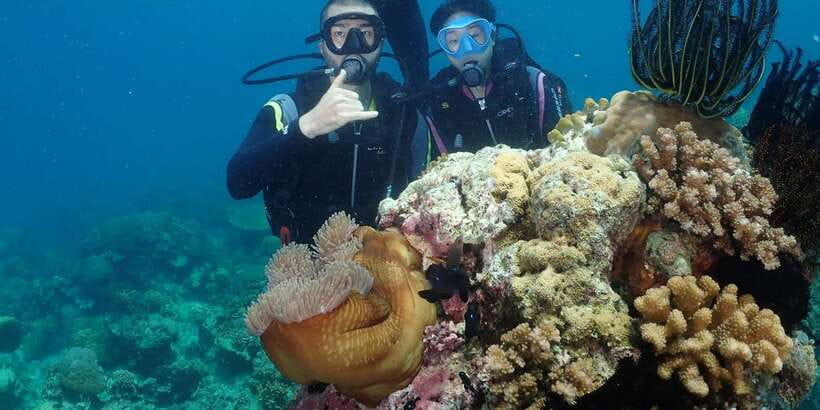
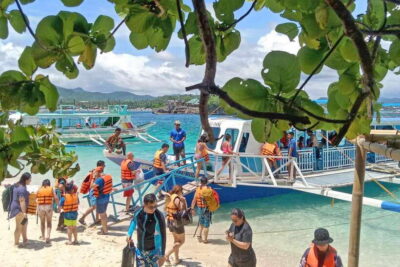
After practice, you board a local boat for a short ride to a beginner-friendly underwater site. The boat part is brief, but it gives you a change of pace and a real-water setting before the session.
If you like views, this is where you get them. People described enjoying the coastline views from the water, including the famous long white shore line.
This boat transfer is also a safety buffer. You are not trying to manage learning skills and navigation at the same time, and the instructors can keep the group together as you prepare to enter.
Your First Underwater Plan: Up to 6 Meters, Around 30 to 40 Minutes
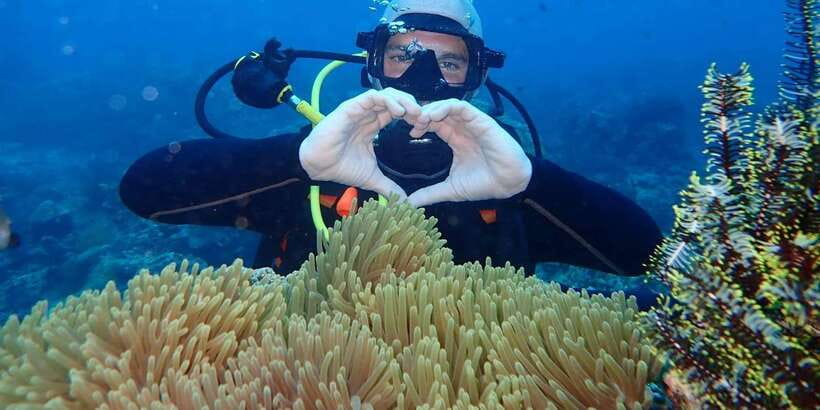
Now for the main event: your guided underwater visit with a personal instructor. You’ll descend to a maximum depth that’s beginner-appropriate, typically around 6 meters (20 feet), with the overall maximum listed as 12 meters (40 feet).
Plan for about 30 to 40 minutes in the water, depending on conditions and how you’re doing. It’s short on purpose, because your first goal is comfort with breathing, equalizing, and buoyancy, not chasing time underwater.
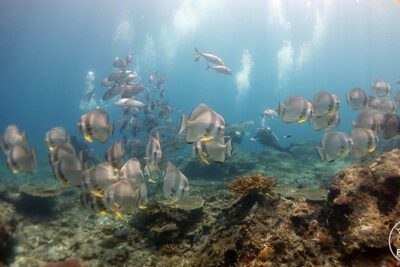
What you might see is part of the reason this activity is so popular. People mentioned colorful reef fish such as parrotfish and clownfish, and the chance of seeing a turtle. Coral gardens and varied marine life show up at these depths, and with your guide nearby, you’re not guessing where to look.
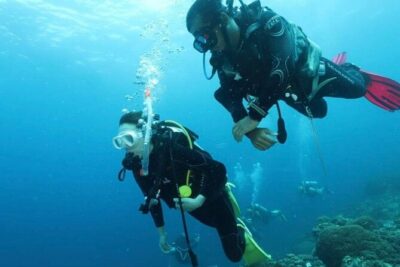
Also watch how guides handle control. Several people noted that the instructor stays close, swimming with you and making it clear to follow their lead. That’s reassuring when you feel unsure about what to do with your hands and how to move without kicking up sand.
The Real Value: Photos, Videos, and a Certificate You Can Use
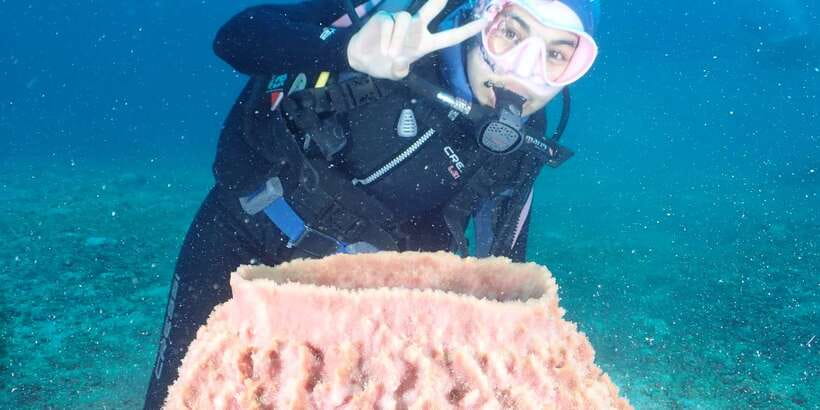
After you surface, you return to the beach by boat. Back at the shop, you’ll get the completion moment: a digital certificate plus complimentary underwater photos and/or videos.
This is a surprisingly big part of the value. First-timers often remember the fear and the learning curve, and then the photos help you realize you also got the view. When your media is included, you’re not paying extra just to prove you weren’t underwater for nothing.
If you’re on a short trip, these visuals are also a time-saver. You can share them the same day, instead of spending time editing or buying a separate photo package.
Price and Value: Why $50 Can Make Sense for First-Time Scuba
At $50 per person for about a half-day experience, this is priced like an entry-level option, not a premium long-course program. The key is what’s included for that money.
You get:
- Full intro theory and safety briefing
- Confined training close to shore
- Equipment rental (mask, fins, wetsuit, regulator, BCD, tank, weights)
- A guided underwater session with instructors
- Boat transfers
- Photos and/or videos
- A digital completion certificate
Not included are hotel pickup and meals.
So when is it good value? When you want the “first time I’m actually underwater with supervision” experience and you do not want to manage logistics or rental gear. It’s also good value if you’re the kind of person who benefits from lots of coaching, because the group ratio is small (about 1 instructor for every 2 to 4 participants).
One caution from real-world experiences: quality can vary. A few comments mentioned the photographer output not matching expectations, and timing or boarding details can be a mixed bag. You’re still paying for an intro experience, not a cinema shoot, so manage expectations on what “included photos/videos” means.
Who Should Book, and Who Should Skip
This intro scuba session is designed for people with no prior certification. That’s why the whole program is structured with theory, equipment fitting, shallow practice, then a guided underwater visit at limited depth.
That said, it is not suitable for:
- Children under 10 years
- Pregnant women
- People with back problems
- People with altitude sickness
- People with pre-existing medical conditions
- Hearing-impaired people
Also keep a major safety rule in mind: if you have a flight scheduled within 12 to 24 hours of your last underwater session, you cannot go. That’s to reduce the risk of decompression sickness. If your schedule is tight, check dates early so you do not accidentally book something you must skip.
If you’re a nervous first-timer, this can still be a good choice. Many people specifically described instructors who were patient and calm, and who helped them feel comfortable enough to go down even when they were hesitant at the start.
What You’ll Do, Minute by Minute (Without the Guesswork)
Here’s the flow you should expect on your chosen start time at 9:00 AM or 1:00 PM:
- Meet & greet at Astoria Station 1 Beach Front by Tiger Sugar Cafe
- Briefing and theory with your PADI instructor, covering breathing, pressure equalizing, equipment basics, and hand signals
- Gear up with help fitting mask, fins, wetsuit, regulator, BCD, and weights
- Confined water training in calm water near shore, practicing regulator breathing, mask clearing, and recovery skills
- Boat ride to a beginner-friendly site, with scenic views along the coastline
- Guided underwater session to a beginner depth, typically around 6 meters, for roughly 30 to 40 minutes
- Return to shore, then celebration with your digital completion certificate and included photo/video media
The overall timing is about 2 to 3 hours. In real life, it can flex with conditions and how quickly your group is ready, but the structure stays the same.
Should You Book This Intro to Scuba in Boracay?
If you want a safe, guided “first time underwater” experience with equipment and instruction included, I think it’s a solid pick. The biggest strengths are the beginner-first coaching, the instructor attention ratio, and the fact you get immediate proof of what you did through photos/videos plus a certificate.
I’d skip it if any of the health or flight-timing rules apply to you, or if you’re hoping for an all-day adventure with lots of time in the water. This is intentionally short and skill-focused.
If you book, do two things to stack the odds in your favor: show up early enough to get fitted without stress, and take the shallow-water practice seriously. That’s where the calm confidence is built, and it’s what turns your first underwater minutes into something you actually enjoy.
FAQ
Where is the meeting point?
You meet at Astoria Station 1 Beach Front, in front of Tiger Sugar Cafe. Look for the Boracay Adventures Guide holding a Get Your Guide sign.
How long is the experience?
The total duration is about 3 hours, with approximately 2 to 3 hours of activity time.
How much does it cost?
It costs $50 per person.
Do I need scuba certification before I go?
No. This experience is for beginners with no prior certification.
How deep do you go?
For beginners, you typically descend to a maximum depth of 6 meters (about 20 feet). The program also lists a maximum of 12 meters (about 40 feet).
What’s included in the price?
Included are the introductory theory and safety briefing, professional PADI instructor or divemaster guidance, confined water training, scuba equipment rental (BCD, regulator, tank, weights, mask, snorkel, fins, and wetsuit), boat transfers, and a digital certificate. Complimentary photos and/or videos are included too.
What languages are used by the instructors?
Instructors are listed as English, Chinese, and Korean.
Who is this not suitable for?
It is not suitable for children under 10, pregnant women, people with back problems, people with altitude sickness, people with pre-existing medical conditions, and hearing-impaired people.
Can I fly soon after the session?
No. You cannot fly if you have a flight scheduled within 12 to 24 hours of your last underwater session.
Newest reviews around Boracay
- Soar & Explore: Boracay Parasailing + Island Hopping★ 5.0 · 3 reviews
- Private Boracay Helicopter Tour with Hotel Pick Up★ 4.5 · 3 reviews
- Boracay Paraw Sailing★ 5.0 · 3 reviews
- Boracay Buggy Car Adventure★ 2.5 · 3 reviews
- Boracay Parasailing Experience★ 5.0 · 5 reviews
- Boracay Cliff Jumping & Snorkeling Experience (Private)★ 5.0 · 5 reviews
- Boracay ATV Tour and Kawa Hot Bath★ 3.0 · 5 reviews
- Boracay Zipline Adventure and ATV Tour★ 3.5 · 8 reviews
Scuba Diving, compared.
Helmet Diving Experience with Photos and Videos
Read our review →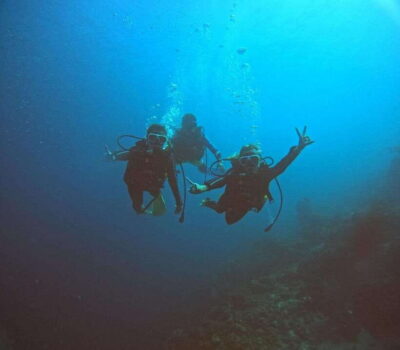
Island Hopping with Crystal Kayak & Helmet Diving
Read our review →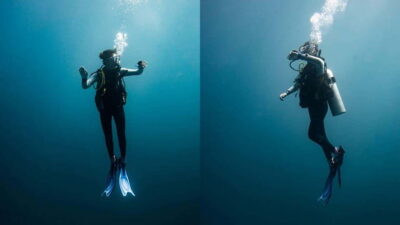
Discover Scuba Diving with Manta Rays in Sibaltan
Read our review →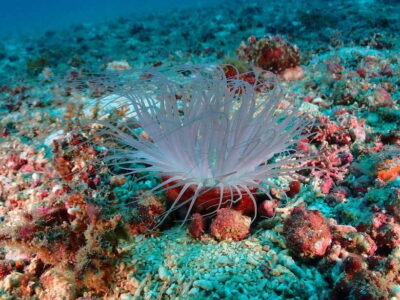
Browse the lists this tour appears in