
Reviewed · COOKING CLASSES
Private Filipino cooking class in a local Manila Home
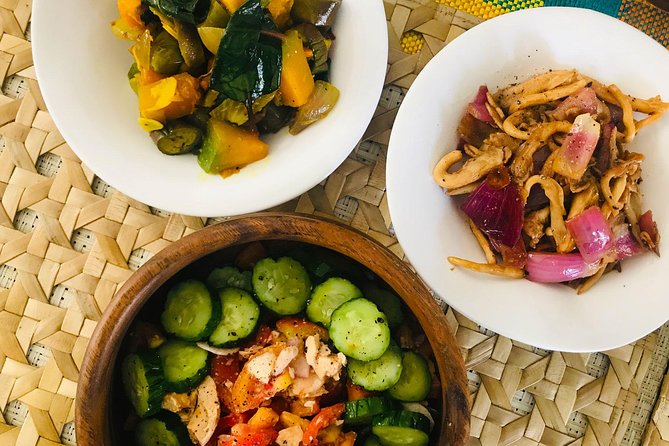
A private Filipino cooking class in a real Manila home is interesting because the lesson starts before the stove. You go into the chef’s small garden to pick ingredients like calamansi and lemongrass, then you cook with that freshness right away.
Two things I really like about this experience are the undivided attention you get from Isi, the host and cook, and the fact that you can choose how involved you want to be. You can do hands-on prep, or switch to a cooking demonstration style, and either way you end up sitting down to eat what you made.
One possible drawback: this is not a formal, professional cooking school. If you want a high-tech class with strict restaurant technique and lots of theory, you might feel the structure is lighter than you expected. Also, there is no hotel pickup, so you’ll want to be ready to meet in Taguig.
Key things to know before you go
- Garden-to-plate starters with fresh calamansi and lemongrass from Isi’s own little garden
- Private, small-group attention from Isi, plus her guide commentary as you cook
- Hands-on or demo options, so you can match your comfort level in the kitchen
- Family-style recipes with cultural context, not just a list of steps
- A real sit-down meal (lunch or dinner), plus beer included with your visit
- Homemade dessert like calamansi pie, made with help from Isi’s friend Earnest
Why a Manila Home Cooking Class Beats a Restaurant Meal
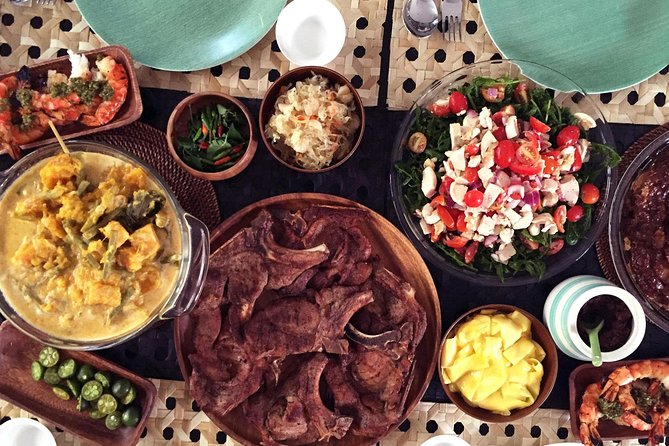
This experience works because it feels like a visit to the way Filipinos actually eat at home. You are not just learning recipes from a menu. You’re learning what flavors people reach for, how ingredients behave in real cooking, and why certain dishes show up again and again in Filipino households.
I also like that Isi’s background goes beyond cooking for guests. She’s been working in the food business for over ten years, including recipe work for dairy companies and restaurants, plus food styling and photography, and even selling spices online. That matters because you can feel the difference between someone who read a recipe online and someone who has tested flavors and built dishes over time.
You’ll also pick up a lot just by watching how the kitchen flows. In a home setting, timing is practical. People taste as they go, adjust acidity, and use what’s seasonal. For many visitors, the biggest surprise is how familiar Filipino flavors can feel once you understand the building blocks.
More Cooking Classes in Luzon
- Manila Filipino Cooking Class: Meryenda Favorites
★ 5.0 · 80 reviews - Private Market Tour and Filipino Cooking Class in Manila with Isi
★ 4.5 · 15 reviews - Private Filipino Cooking Class in the Heart of Manila,Makati City
★ 5.0 · 5 reviews
Meeting in Taguig and Getting Set for a Home-Kitchen Visit
The tour starts at 10:00 am in Taguig, Metro Manila, and it ends back at the meeting point. There’s no hotel pickup or drop-off, so you’ll want to plan your own way there. If you’re staying far from Taguig or you dislike short city hops, this can add some stress.
Dress code is smart casual, which is helpful. You don’t need restaurant-formal clothes, but you also want to look presentable enough for a home visit. I’d still bring a layer, Manila kitchens can vary in airflow, and you might be standing and watching while cooking work happens.
Because it’s private, you won’t be sharing the experience with strangers. That makes it easier to ask questions, adjust pacing, or request a vegetarian option if you booked that way. It’s a small thing, but private attention is the main reason people come back to this kind of experience.
Isi’s Kitchen Story: Who She Is and Why That Changes the Lesson
Isi is the kind of cook who brings personality into the food. She learned much of what she knows from her Nanay, her grandmother, who cooked fresh lunches and dinners every day. So the recipes aren’t treated like museum pieces. They’re treated like living, workable family food.
She also recently started Chili Asylum, an initiative focused on marketing fresh chilies and chili products sourced directly from Filipino farmers. Even if you don’t buy anything that day, her focus tells you something important: she’s thinking about ingredients all the way from farm to plate. That mindset shows up while you cook and when you ask why certain chilies or citrus are used.
During the class, Isi will share her approach to Filipino culinary culture and regional styles. This isn’t just “how to make dish X.” It’s more about how flavors work together, especially the interplay of citrus, garlic, chilies, coconut milk, and fish sauce. Expect to learn while you cook, not after the meal.
Garden Time: Picking Calamansi and Lemongrass First
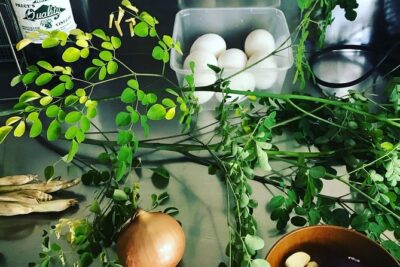
One of the best parts is that you start in the yard. Isi walks you through her small vegetable garden and points out ingredients you’ll use in the cooking. Two you should pay attention to are calamansi, a distinctive Filipino citrus fruit, and lemongrass, which adds a fragrant, almost tea-like backbone to many dishes.
This is where the experience becomes more than a cooking class. You’re seeing ingredients in their natural context. Calamansi is not just a flavor note in a recipe, it’s an everyday sour-citrus people reach for. When you taste and smell it in the garden, the cooking lesson clicks faster.
If you like food details, this part gives you a new respect for how Filipinos balance sweet, sour, and savory. You’ll likely notice that calamansi is used in ways that feel bright rather than just sour. That brightness can lift everything around it, especially when paired with salty elements like fish sauce.
A few other Luzon trips to line up
- Intramuros Walking Tour: Explore the Manila’s Walled City|Private
★ 5.0 · 9 reviews - Manila Private Walking Tour With A Local Guide (Private Tour)
★ 4.5 · 7 reviews - Private Airport Transfer Manila to Hotel in Manila or vice versa
★ 5.0 · 3 reviews - Coron: Private Boat Hire with Bespoke Guided Tour
★ 4.9 · 427 reviews
Choose Your Style: Hands-On Cooking or a Demo You Can Watch
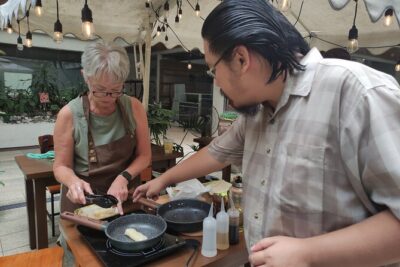
You can choose between a hands-on lesson and a cooking demonstration. If you want to do the work, Isi will let you handle prep and cooking tasks. If you’d rather watch, you can take the demo route and focus on technique, timing, and how dishes come together.
In practice, the hands-on option is where you’ll learn fastest, even if you’re not confident in the kitchen. It’s a chance to practice cuts, mixing, seasoning, and tasting in a supportive environment. People tend to love this part because Isi does not push you through as if you’re being tested. She tends to involve you in a way that still feels fun.
If you choose the demonstration, you still get the main benefit: you see how someone with experience manages the order of steps. You’ll pick up cues you can’t get from a written recipe, like when to add a sauce, how thick coconut milk becomes during simmering, and what “done” looks and smells like.
The Filipino Menu You Might Cook (And Why Those Dishes Matter)
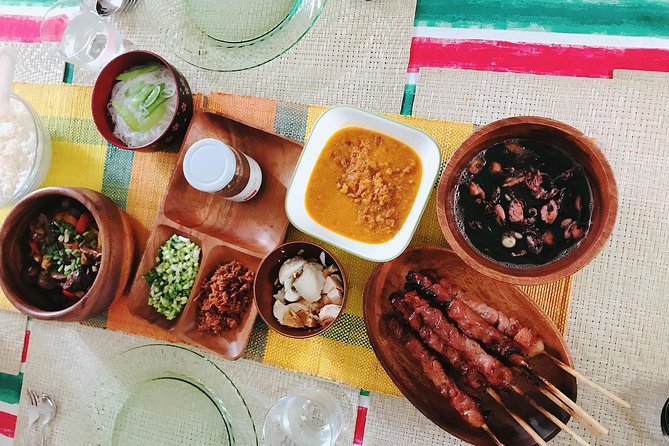
Your menu can vary, but it often includes dishes with strong Filipino flavor signatures. Here are examples of what you might prepare or see made:
- Ensaladang pako, a local fern salad dressed with calamansi and raw honey
This is a great intro dish because it teaches balance. You get bitter, fresh greens, then the dressing adds bright citrus and a gentle sweetness.
- Grilled shrimp with cilantro chimichurri, including a chili element in Isi’s style
This one shows how Filipino cooks adapt familiar methods while keeping local flavors. Chimichurri can go in many directions, and you’ll see how chilies and herbs combine.
- Ginataang kalabasa at sitaw, squash and green beans in coconut milk stew
Coconut milk is comfort food here, but it’s also cooking technique. You’ll see how simmering changes texture and softens the edges of squash.
- Mechado, soy-marinated beef with onion and tomato sauce
Mechado is a classic comfort dish, and it helps you understand how savory, slightly sweet notes can come from the marinade plus tomato-onion base.
- Inihaw na baboy, grilled pork chops
This teaches grilling flavor logic and seasoning. You get to notice how marinade and heat create a real crust rather than just cooked meat.
- Homemade calamansi pie for dessert, made with help from Isi’s friend Earnest
Dessert matters here because it wraps up the meal with the same ingredient thread: citrus. Calamansi pie turns that sour brightness into something smooth and comforting.
You should treat the list as a guide, not a promise. The exact dishes can shift based on what’s available and what Isi decides makes sense for your group. Still, the flavor arc stays consistent. You’re learning the Filipino flavor system: citrus, garlic, chilies, coconut milk, and fish sauce.
Lunch or Dinner at the Table: Eating What You Cook
After the cooking work, you sit down and enjoy the food you made. This is not a quick snack break and run. It’s a full meal experience, either lunch or dinner depending on your timing.
I love this part because it turns learning into satisfaction. You get to taste your results while the lesson is still fresh in your head, so you can connect what you did to how it turned out. It also helps you notice differences you might miss while cooking, like how citrus changes at serving time or how coconut stew tastes after sitting briefly.
Alcoholic beverages include beer. If you’re not drinking, that’s fine. It’s still included, but the meal stands on its own. You can just focus on the food and the conversation.
What’s also nice is the cultural commentary. Isi talks as you cook and eat, so you’re not just learning recipes, you’re learning how people think about those recipes. Food culture is often tied to ingredients, family routines, and regional preferences, and you’ll pick up pieces of that as you go.
Price and Value: Is $90 Worth It?
At $90 per person for about 3 hours, this class can look pricey if you compare it to buying ingredients and cooking at home. But compare it to what you’re actually getting.
You’re paying for:
- a private host and kitchen guide in her home
- ingredient picking and a lesson built around local produce like calamansi and lemongrass
- a menu that can include multiple dishes plus dessert
- a sit-down lunch or dinner that’s part of the experience
- beer included
- taxes, fees, and handling charges included
- gratuities included
So the value isn’t just the cooking time. It’s the full package: access, attention, ingredients, meal, and the chance to learn in a home setting. For many people, the best “cost reducer” is that you’re leaving with practical recipes and a better understanding of what to buy and how to use those ingredients.
If you’re the kind of traveler who likes authentic experiences but hates tours that feel scripted or rushed, this price makes more sense. You’re paying for comfort and access, not just a recipe card.
Who Should Book This Cooking Class (And Who Might Prefer Something Else)
Book this if you want a Filipino food experience that feels personal. It fits well for couples, friends, and solo travelers who like meeting local people and learning by doing. You’ll also appreciate it if you’re curious about how Filipino ingredients work together, especially citrus and chilies.
It’s also a great choice if you prefer a flexible learning style. The hands-on vs demo option lets you set your own comfort level. And if you want something beyond “just food,” Isi’s family-recipe background and her work in the food industry bring context to what you’re making.
Skip it if you want a professional, formal culinary class structure. You’ll still cook and learn, but it’s framed as a local home experience, not a studio lesson. Also consider the lack of hotel pickup. If getting to Taguig is difficult for your schedule, choose carefully.
Practical Tips for a Smooth Manila Home Visit
Here are a few smart moves so you get the most out of the day.
Plan your transport to Taguig. Since there’s no pickup, you’ll want to arrive on time and not rush. If you’re prone to last-minute scrambling, build in extra buffer.
Tell Isi in advance if you want vegetarian options or if you have other dietary requirements. Vegetarian is available, but you need to request it at booking time.
Ask about the hands-on style before you arrive. If you’re excited to cook, choose hands-on. If you’d rather learn by watching first, go with the demonstration. Either way, you’ll still eat.
Wear comfortable shoes. Even if you’re not doing heavy prep work the whole time, you’ll likely move between areas while ingredients are shown and cooking starts.
Be ready to taste. Filipino cooking often uses bold flavors that become familiar once you understand the balance. If you’re cautious around chilies, mention it early so seasoning can be adjusted.
Should You Book This Private Filipino Cooking Class in Isi’s Manila Home?
Yes, if you want a real home-cooked Filipino experience with real access. Isi’s setup, from picking ingredients in the garden to cooking and then eating together, makes it feel different from a typical class. The hands-on option and the private attention are big wins, and the meal plus dessert helps you leave with something more than photos.
No, if you only want a formal professional-course vibe, or if getting to Taguig is a hassle you don’t want to deal with. This is a local home visit, and the charm depends on that.
FAQ
What is the duration of the private Filipino cooking class?
The experience runs for about 3 hours.
Where does the experience start and end?
It starts in Taguig, Metro Manila, Philippines, and ends back at the meeting point.
What time does the class begin?
The start time is 10:00 am.
Is this a private class?
Yes. It’s a private tour/activity, so only your group participates.
What’s included in the price?
The class includes the private Filipino cooking session with host Isi, lunch or dinner, beer, and all taxes, fees, and handling charges. Gratuities are included as well.
Do I need to arrange my own transport?
Yes. Hotel pickup and drop-off are not included.
Can I request a vegetarian option?
Vegetarian option is available. You should advise at the time of booking.
What should I wear?
Dress code is smart casual.
Is there alcohol included?
Alcoholic beverages, including beer, are included.
How does cancellation work?
You can cancel for a full refund up to 24 hours before the experience’s start time.
Should You Book This Private Filipino Cooking Class in Isi’s Manila Home?
If you like food that comes with context, this is an easy yes. You’ll get a private cook, fresh garden ingredients like calamansi and lemongrass, a choice of hands-on or demo, and a sit-down meal you helped make, plus homemade calamansi pie. Just make sure you’re comfortable handling your own way to Taguig and that you’re okay with a home-style learning format rather than a professional culinary school setup.
Newest reviews around Luzon
- Private Airport Transfer Manila to Hotel in Manila or vice versa★ 5.0 · 3 reviews
- Sagada and Banaue Rice Terraces 4-Day Tour★ 5.0 · 4 reviews
- Manila Social and Political Walk★ 5.0 · 4 reviews
- Day Hike: Mount Daraitan plus Tinipak River start point Manila** updated 2022★ 5.0 · 4 reviews
- The Jeepney & Tuk Tuk Adventure ride with Local Guide★ 4.5 · 4 reviews
- Angeles City / Clark Airport to La Union (Bauang, San Fernando, San Juan)★ 3.5 · 4 reviews
- Personal Tour Guide in Manila Philippines★ 5.0 · 4 reviews
- The Oldest Chinatown in Manila with Local Guide★ 5.0 · 4 reviews
Cooking Classes, compared.
Manila Filipino Cooking Class: Meryenda Favorites
Read our review →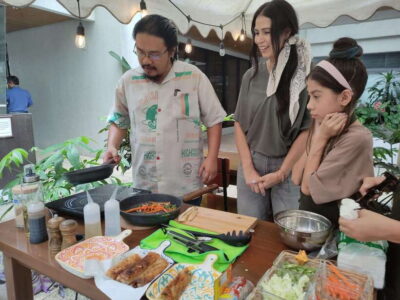
Private Market Tour and Filipino Cooking Class in Manila with Isi
Read our review →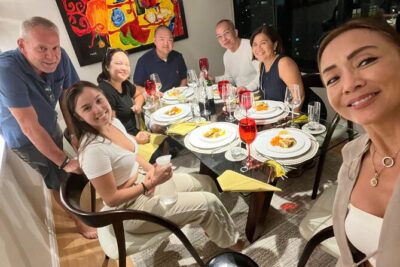
Private Filipino Cooking Class in the Heart of Manila,Makati City
Read our review →Browse the lists this tour appears in