
Reviewed · MANILA CHINATOWN
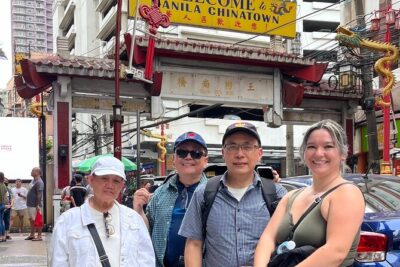
Manila Chinatown Hidden Gems with Venus
Manila’s Chinatown, or Binondo, is one of those places where you can taste, pray, and ride public transport all in one short window. I especially like the way the tour starts with an anchor you can actually point to, the Binondo Church (1596), then moves you into everyday street life without making it feel like a museum. Two things I’m also big on: the food stops at places like Eng Bee Tin, and the fact that your guide, Venus, explains the neighborhood like a local, including context about people’s daily life. The main drawback is simple: this tour runs at a quick pace, so if you need time to slow down and stare, you may feel a little rushed.
You’ll also get a practical kind of confidence here. In reviews, Venus was praised for helping people feel safe, and for leading you down side streets you might skip on your own. Just know that you’ll be moving through busy streets and keeping up with the group, especially when you’re hopping between transport like jeepneys and tricycles.
Key Highlights You’ll Actually Care About
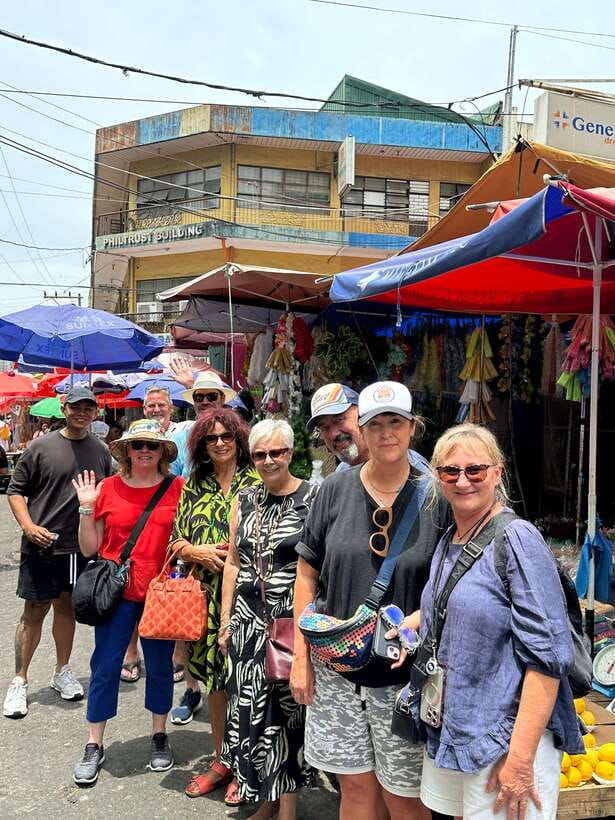
- Binondo Church (1596) as your starting point to set the historical tone fast
- Ongpin Street herb shops, delicacies, and trinkets for real street-level browsing
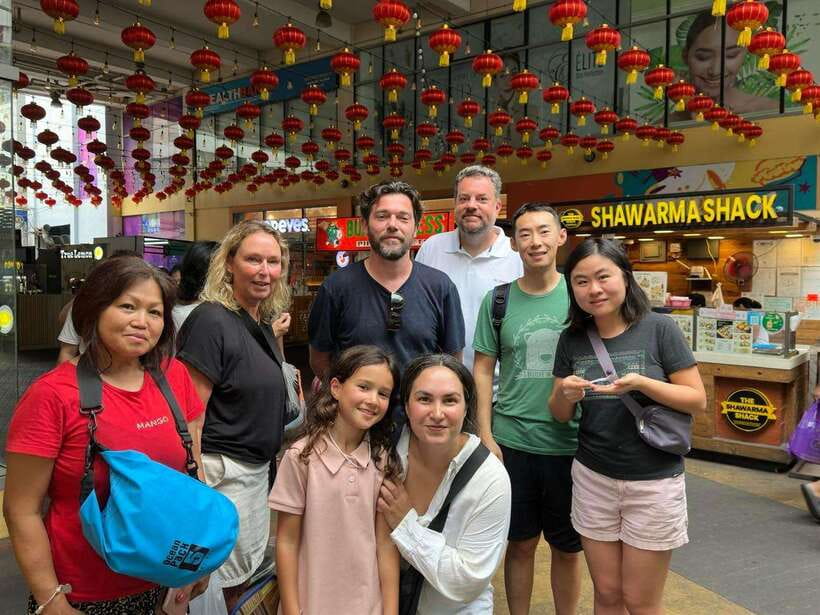
- Food stops with classic Chinese-Filipino favorites such as dim sum, hopia, and hand-pulled noodles
- Seng Guan Temple to see how Chinese worship is practiced in the area
- Local transportation mix including jeepney, electric tricycle, and tuk tuk for a lived-in feel
Entering Binondo: Why the 1596 Church Matters First
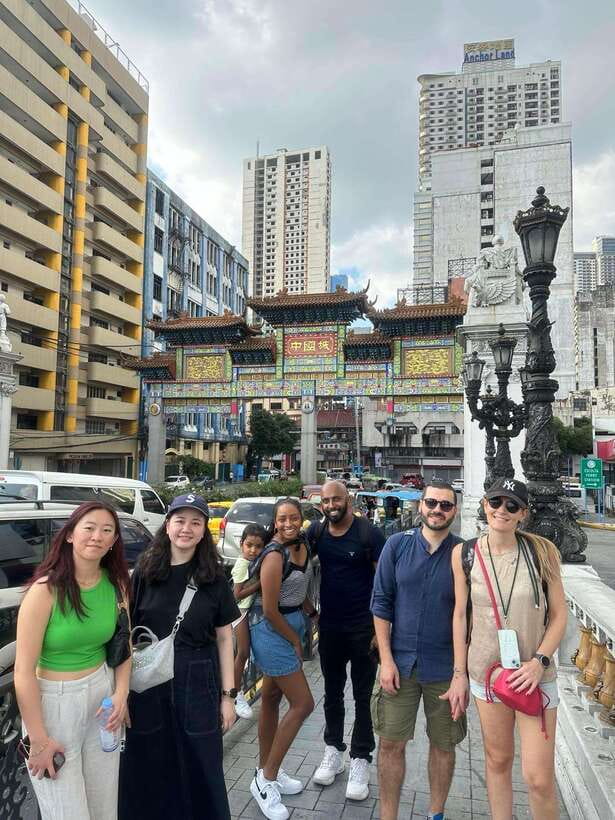
If you’re going to understand Binondo, it helps to begin somewhere that has been standing long enough to become part of the city’s rhythm. The tour starts at Binondo Church, a landmark dating back to 1596. From there, the neighborhood doesn’t feel random. You can start to see how today’s street trade and religious sites grew around long-running community life.
This first stop also helps you get oriented quickly. Even before you eat, you’re learning how to read what you see: shopfronts, street flow, and the mix of signs and rituals that show Chinese and Filipino cultures side by side. Venus’s strength is the storytelling angle. In particular, she’s noted for sharing context about daily life in nearby areas, including the reality of informal settlement conditions. That kind of background changes how you experience the streets. Instead of only looking at food and photos, you’re picking up why certain places matter to people who live here.
One more practical upside of starting at a major landmark: you can find your footing fast. Many people arrive in Binondo with a vague idea of where to go next. This tour gives you a “first anchor,” then builds forward street by street.
More of Manila Chinatown:
- Manila: Intramuros, Chinatown, and Old Manila Half-Day Tour
★ 4.8 · 475 reviews - Manila Food Tour: Explore World’s Oldest Chinatown
★ 5.0 · 158 reviews - Manila: Guided Food Tour of Binondo with Tastings
★ 4.8 · 38 reviews
Ongpin Street on Foot: Herbs, Sweet Goods, and What the Shops Say
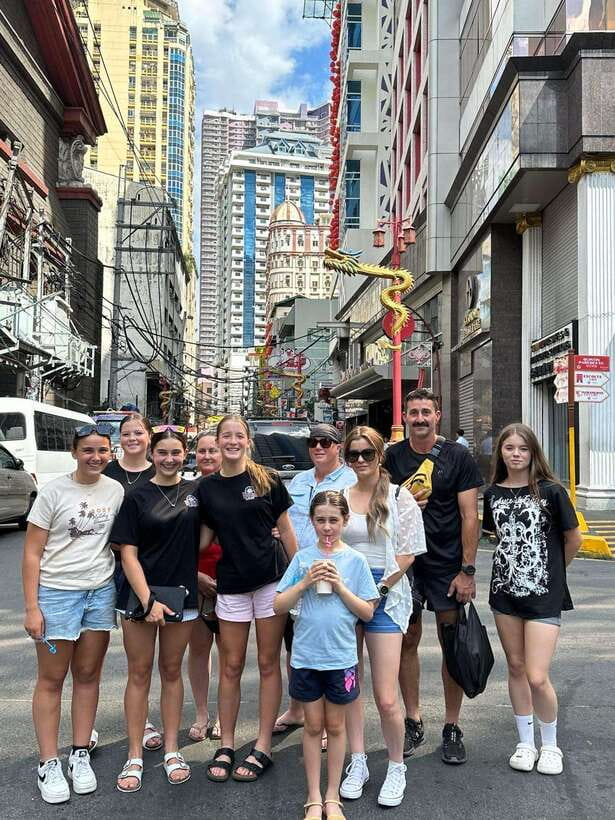
After the church, you’ll walk into Ongpin Street, the corridor where people come to shop, snack, and browse. This is where Venus shines in a simple way: she brings you down streets you’d likely skip if you were DIY-ing. You’re not just passing storefronts, you’re getting a guided sense of what’s worth your time.
On Ongpin, you can expect traditional Chinese herbs, delicacies, and small trinkets sold right at street level. It’s a feast for the eyes, but it’s also useful. You’ll see that Binondo is not only about restaurants. It’s about everyday buying and exchanging, the stuff locals pick up as a routine. That makes the neighborhood feel more grounded, especially if you’re used to tourist zones elsewhere.
A tip I’d give you here: keep your phone away for a minute and just watch how people move. Are they waiting for something? Are they pointing, bargaining, asking questions? That small attention helps you understand why this street is so busy at certain hours. Venus’s guidance helps you navigate it without feeling like you’re tumbling into chaos.
Food Stops That Feel Like a Local Meal, Not Just Snack Tourism
The tour’s heart is food, and it does it with purpose. You’ll work through classic Chinese-Filipino favorites like dim sum and hopia, plus noodles that are known for being hand-pulled. The names given for key stops include Eng Bee Tin and Dong Bei Dumplings, both well-loved for the dishes they’re associated with.
Here’s what I like about this approach: it isn’t random eating. You’re tasting through the neighborhood’s identity. Dim sum and hopia aren’t just items on a menu. They’re part of how families and communities show up for daily life, celebrations, and quick comfort meals. And when you’re trying something like hand-pulled noodles, you’re seeing the skill behind the food rather than only eating the end result.
You also get to sample flavors that hit different notes: sweet, savory, and spicy. That matters because Chinese food in Binondo often isn’t one-note. It’s layered, and street-level choices can feel more varied than you’d expect from one restaurant visit.
One practical consideration: since the experience is 2 hours, you’ll be eating in a tight window. This is a short tour, so plan to come hungry, but also understand you won’t have time for big sit-down meals at every stop. Think of it as a guided “greatest hits” route.
If you’re worried about ordering, you’re covered by the guide. Venus is described as friendly and comfortable with questions, which makes a big difference when you’re trying dishes you might not know how to describe.
Seng Guan Temple: Seeing Worship Up Close
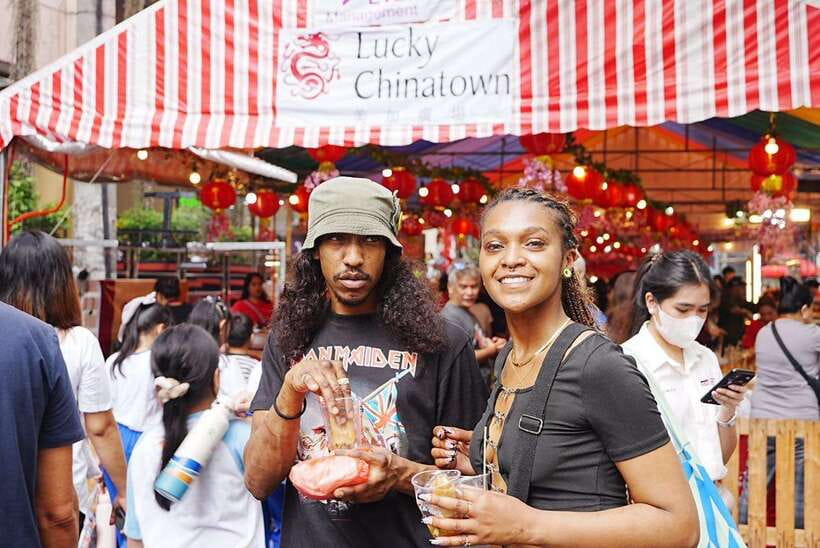
Half the reason people fall for Binondo is the mix of culture you can see right away. One of the key moments on this tour is a visit to Seng Guan Temple. Here, you get to see local religious practices and appreciate the intricate architecture tied to Chinese worship traditions.
This stop adds a different pace and a different feeling than the food-and-shop route. It’s quieter, more reflective, and it helps explain why certain patterns and community gatherings keep repeating in this neighborhood. Venus’s guidance makes this more than just a photo stop, because you’re not only looking at buildings. You’re learning what people are doing there and why it’s part of life around the area.
A helpful way to prepare: dress with respect for a temple setting. You don’t need to overthink it, just remember that this is an active religious site, not a theme park.
A few other Manila trips to line up
- Intramuros, Manila: Historical Bamboo Bike Tour
★ 4.8 · 583 reviews - Experience Intramuros with Bamboo Bicycle – Ecotours
★ 5.0 · 508 reviews - Manila: Old & New 4-Hour City Tour
★ 4.5 · 458 reviews - Manila Food Tour: Introduction to Philippine Street Food
★ 5.0 · 417 reviews
How You’ll Get Around: Jeepney, Electric Tricycle, and Tuk Tuk
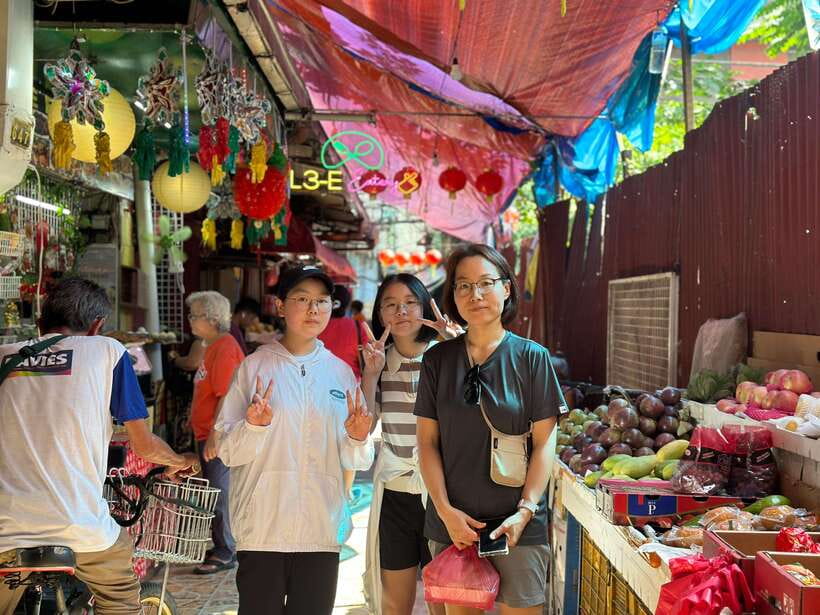
One of the most praised parts of this tour is that you don’t just walk. You also take public transportation, including jeepneys, electric tricycles, and tuk tuks. That matters for two reasons.
First, it changes the speed and feel of the neighborhood. Walking gives you detail, but rides help you understand street scale, traffic flow, and how locals actually move between destinations.
Second, it makes the tour feel more real and less “guided by car.” In the reviews, people specifically called out the genuine ride experience. That’s not a small detail. It’s often the difference between feeling like you toured a place and feeling like you moved through it.
Do note the practical part: you’ll need to pay attention. One review highlighted that Venus zips through busy streets expertly. That means you should stay close, watch for turns, and be ready to move when she signals. If you get easily distracted, you may need extra focus to keep up.
Meeting Point at Tutuban Center Mall: Get This Right
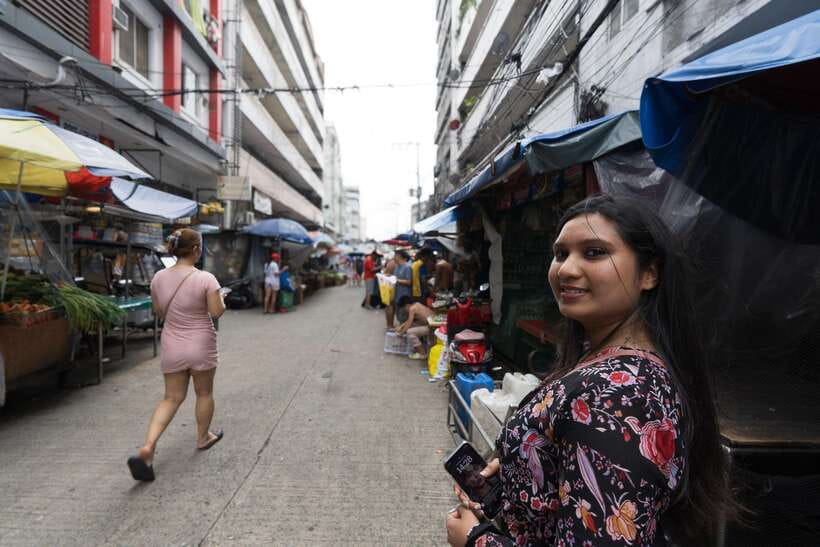
You meet at Tutuban Center Mall, near the Bonifacio Monument. The instruction is to ask mall security where to find the tour group.
This is one of those “small” details that can save you time and stress. If you arrive early, hang out near the Bonifacio Monument area and confirm your guide’s location with security or the information desk. Because the tour is short, starting on time keeps the whole route enjoyable.
Also, since the tour is in central Manila, I recommend wearing shoes you can walk in for a couple of hours without wishing you’d chosen different footwear.
Price and Value: Is $65 for 2 Hours Worth It?
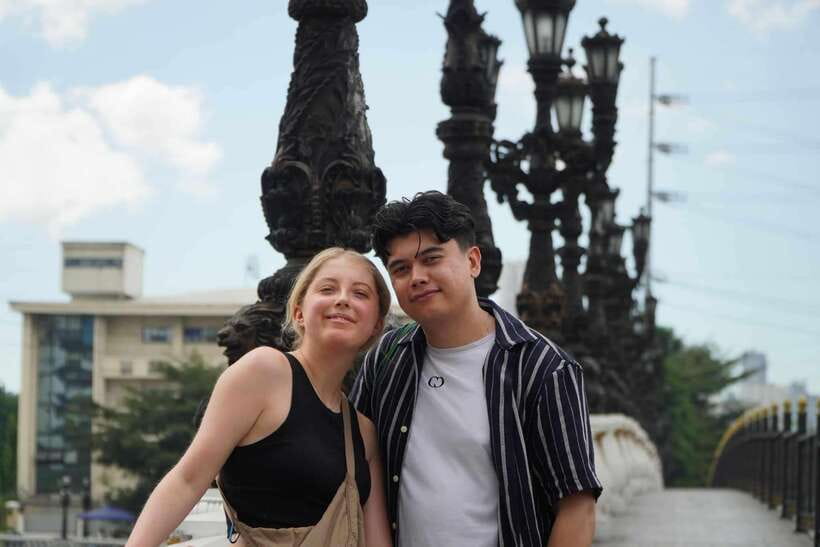
At $65 per person for 2 hours, you’re paying for three main things: a local English-speaking guide, included local transportation, and bottled water. The tour also centers on food stops tied to well-known places like Eng Bee Tin and Dong Bei Dumplings, plus a guided route that includes major sights like Binondo Church and Seng Guan Temple.
Is $65 “cheap”? Not exactly. But value in Manila Chinatown tours is rarely only about the number. It’s about how much you get in a short time with less effort. For example, without a guide, you can certainly walk around and eat. The challenge is knowing what to prioritize, where to go in the right order, and how to navigate the flow of streets safely and efficiently.
This tour also seems built for momentum. Reviews describe it as jam-packed, with food tastings and multiple transport modes. If you’re the type who wants to make the most of limited time, the structure can be a strong match.
If you’re the type who hates moving quickly and needs long pauses, the price might feel harder to justify. You might prefer a slower self-guided day where you can linger at a few spots.
Who This Tour Suits Best (And Who Might Prefer Another Plan)
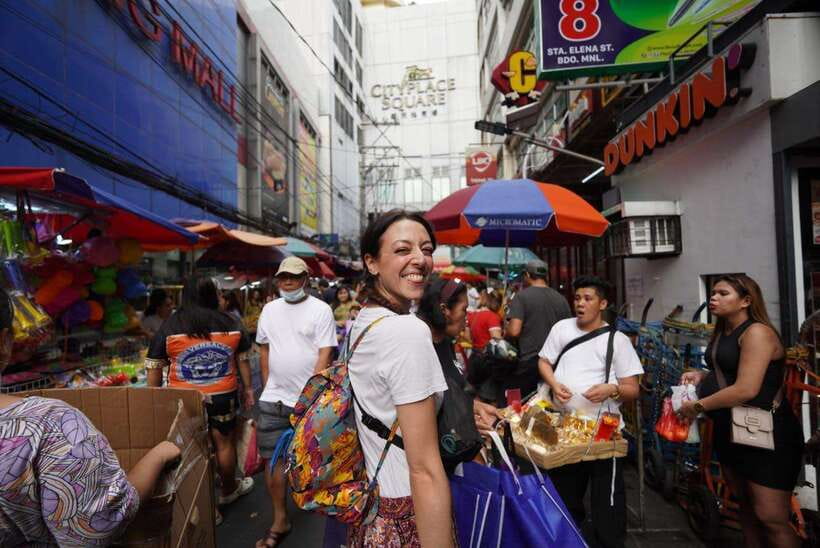
This experience fits best if you want a guided snapshot of Binondo that hits the essentials fast. I think it’s especially good for:
- First-time visitors who want a clear route through Chinatown
- People who like food-focused travel but still want cultural context
- Travelers who want local transport experience without figuring it out on their own
- Anyone who appreciates a guide who explains the neighborhood beyond “what to photograph”
It might be less ideal if:
- You strongly dislike fast pace and need time to slow down often
- You want a very slow, sit-and-stay meal style day
- You prefer deep historical reading without motion through busy streets
Based on the feedback about Venus, you’re also in good hands if you enjoy asking questions. One of the nicest extras mentioned after the tour is that Venus shared restaurant and bar recommendations near people’s hotels. That kind of follow-up turns the short tour into a longer trip benefit.
Practical Tips So You Enjoy the Pace
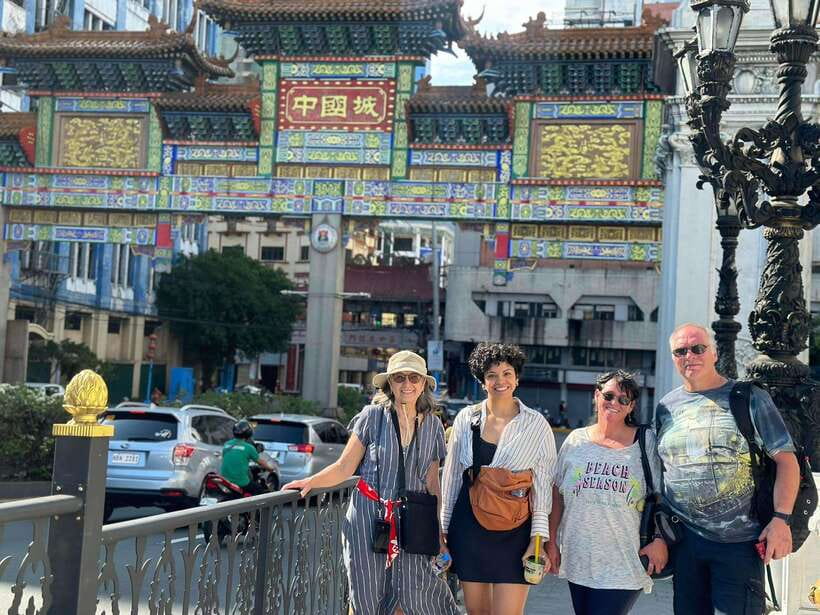
Binondo moves quickly, and this tour follows that reality. Here are a few ways to make the experience smoother:
- Eat lightly before you go, but don’t show up stuffed. You’ll be tasting food.
- Wear comfortable shoes. You’ll be walking through busy streets.
- Keep your small bag secure and your attention up when crossing streets or boarding transport.
- Bring a bit of patience for crowd energy. Even with a guide, Chinatown is Chinatown.
- If you’re sensitive to noise or movement, tell Venus early. She can help you navigate staying comfortable while keeping up.
This is a short tour, so your best strategy is to let it guide your rhythm. When you do, you get more out of the 2 hours.
Should You Book This Binondo Tour With Venus?
I’d book this tour if you want a compact, high-impact introduction to Binondo with a guide who can explain what you’re seeing and help you move confidently. The biggest reasons to choose it are the combination of major sights like Binondo Church and Seng Guan Temple, plus food stops tied to famous names like Eng Bee Tin and Dong Bei Dumplings, plus the added bonus of riding local transport like jeepneys and tricycles.
Skip it only if you know you need slow pacing and lots of unhurried time. Otherwise, this is a smart way to turn limited time into a real understanding of the neighborhood, not just a photo walk.
If you book, go hungry, stay close, and use Venus’s explanations like a map for how to read the area. That’s where the best value shows up.
FAQ
What is the duration of the Manila Chinatown tour with Venus?
The tour lasts 2 hours.
Where is the meeting point?
You meet at Tutuban Center Mall Bonifacio Monument. Ask mall security where to find the tour group.
What language is the tour guide?
The tour guide speaks English.
How many people are in the group?
It is described as a small group.
What does the tour include?
Included items are a local guide, bottle water, and local transportation.
How much does the tour cost?
The price is $65 per person.
Is there free cancellation?
Yes. You can cancel up to 24 hours in advance for a full refund.
Can I reserve without paying right away?
Yes. The option is reserve now and pay later, with pay nothing today.
What places and activities are covered?
The tour starts at Binondo Church, walks Ongpin Street, includes a stop at Seng Guan Temple, and focuses on Chinese cuisine with tastings and local street food, plus local transportation rides.
Newest reviews around Manila
- TAGAYTAY DAY TOUR FROM MANILA★ 5.0 · 3 reviews
- 3 Days Private Tour in Banaue Ifugao visiting Batad Rice Terraces★ 3.5 · 3 reviews
- 4 Day Banaue Ifugao Rice Villages Private tour Trekking★ 4.5 · 3 reviews
- Bites and Sights: Tagaytay Food and Nature Excursion from Manila★ 4.0 · 3 reviews
- Embark on a 7-Day Banaue-Sagada Adventure of a Lifetime★ 5.0 · 3 reviews
- Philippines Intro 3 days 2 nights Tour Best of Manila and Beyond★ 5.0 · 3 reviews
- Following the Footsteps of Anthony Bourdain★ 5.0 · 3 reviews
- Tagaytay: Taal Volcano Tagaytay Private Tour w/Jeepney Ride★ 5.0 · 3 reviews
Manila Chinatown, compared.
Intramuros, Chinatown, and Old Manila Half-Day Tour
Read our review →
Manila Food Tour: Explore World’s Oldest Chinatown
Read our review →
Intramuros, Chinatown, and Old Manila Half-Day Tour
Read our review →
Intramuros & Chinatown Manila Tour – Walking, Food & Culture
Read our review →
Browse the lists this tour appears in