
Reviewed · MANILA CHINATOWN
Manila Chinatown Food Tour Experience
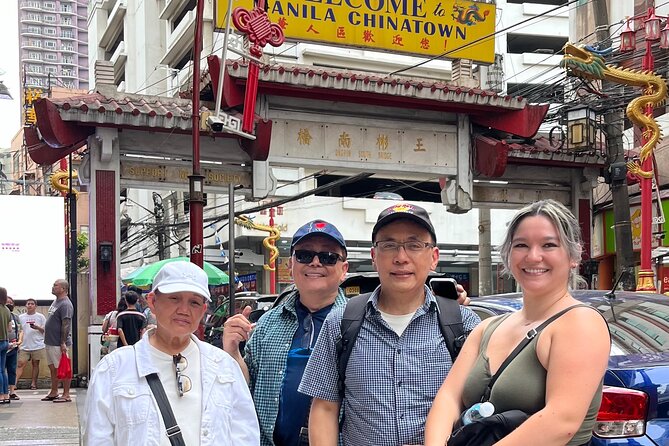
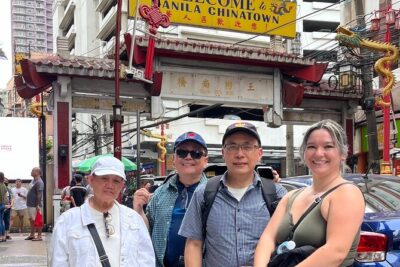
Chinatown Manila, aka Binondo, is interesting because it is one of the oldest Chinatown districts in the world and it still shows up in everyday life, food stalls, and street corners. This 2-hour walk blends Chinese and Filipino flavors with stops around older buildings and landmark areas you would likely miss on your own.
Two things I love about this kind of tour: you get food tastings instead of just browsing, and you also ride local transport, including tuk-tuk and jeepney rides, which makes the city feel like a real commute, not a theme park. The guide matters here too, and Venus (V.S Tour Services) comes across as helpful and quick to explain culture when you ask good questions.
One possible drawback: if you are chasing a very specific must-eat list, the exact lineup can feel uneven. Some iconic Chinatown dishes and noodle spots people expect to see may not be covered, and a few bookings also wished for deeper, more historical context at the landmarks.
Quick highlights you’ll feel fast
- English guide Venus (V.S Tour Services) helps you connect food to Filipino-Chinese culture
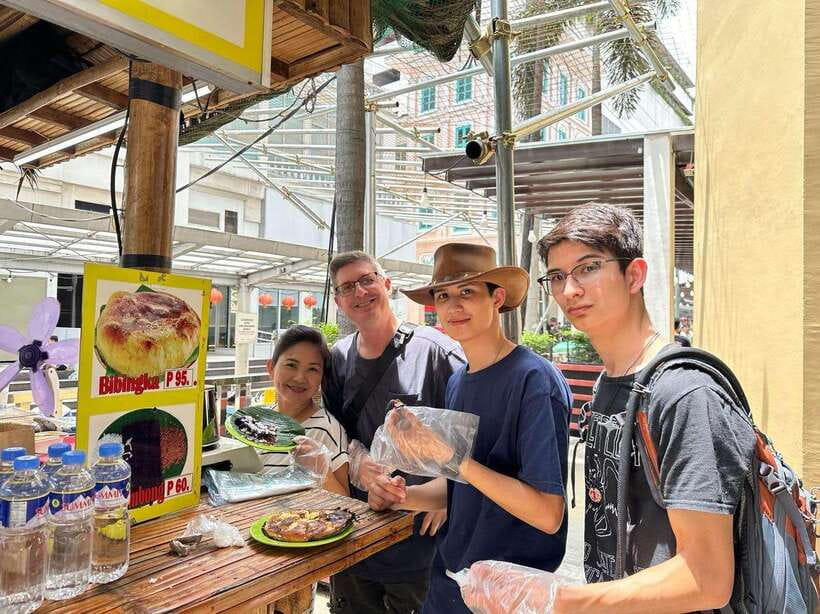
- Food tastings of sweet, savory, and spicy items, plus bottle water
- Local transport included, with tuk-tuk and jeepney rides that add energy
- Stops near older Chinatown buildings and landmarks so you are not only eating
- Come hungry, rain or shine, and bring questions for the guide
Binondo Chinatown, where street food tells the story
Binondo is not just a place to eat. It is a working neighborhood shaped by long, ongoing ties between Chinese and Filipino communities. That is why a walking food tour works better here than a sitting-down meal. You see the street layout, you catch the rhythm of daily errands, and you taste the result of that mix.
The tour is built around two themes: Chinatown sights, including older buildings and historical landmarks, and Filipino street food made in a Chinese-Chinatown style. Expect flavors that can shift quickly, from sweet to savory to spicy, often in the same general area. That is part of the point, you learn how the neighborhood actually eats, not how a brochure imagines it.
If you like context, you will also want to ask your guide to explain what you are seeing. In this setup, the historical layer is present, but it can depend on how much time the guide has for your questions at each stop.
More of Manila Chinatown:
- Manila: Intramuros, Chinatown, and Old Manila Half-Day Tour
★ 4.8 · 475 reviews - Manila Food Tour: Explore World’s Oldest Chinatown
★ 5.0 · 158 reviews - Manila: Guided Food Tour of Binondo with Tastings
★ 4.8 · 38 reviews
Meeting at Tutuban Center: plan for traffic and timing
You meet at the mall entrance of Tutuban Center Mall. That sounds simple, but Manila traffic can turn simple plans into a scramble. One important practical tip: if your hotel or pickup spot is farther out, leave extra early so you do not arrive stressed. Being even a little late can make the first tastings feel rushed.
The tour also runs on a clear 2-hour rhythm, so you want your timing to be solid from the start. If you are coordinating with another activity right after, leave a buffer. You do not want to walk away mid-tasting because you planned too tight.
Finally, the tour is English-guided. If you are comfortable asking follow-up questions, this is where you get real value from a guide, not just a list of foods.
2 hours of walking food: how the pacing really works
This is a compact food tour. Two hours means you will likely cover a handful of Chinatown blocks, plus rides on local transport. The payoff is that you get variety without spending half a day in transit and waiting.
Because the tour asks you to come hungry, pacing is usually about keeping you fed and moving. You are not expected to snack all day and then arrive full. You are expected to arrive ready to taste, then let the guide guide you from stop to stop.
One more practical note: it is rain or shine. Street food tours in Chinatown-style neighborhoods depend on movement, and a drizzle should not stop the schedule. Wear shoes you trust for wet pavement and keep a small umbrella or light rain layer handy.
Kids are allowed from age 3 and up, which can make this a good family option if your kids actually enjoy trying small bites. If your group has very picky eaters, have a quick conversation with the guide about what to expect before the tour starts, so you can adjust your expectations early.
What you’ll taste: Filipino street food with Chinatown influence
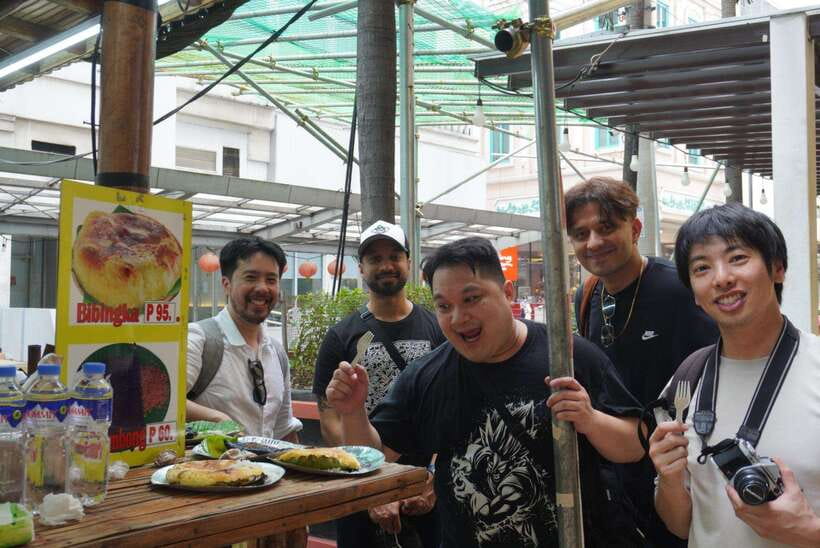
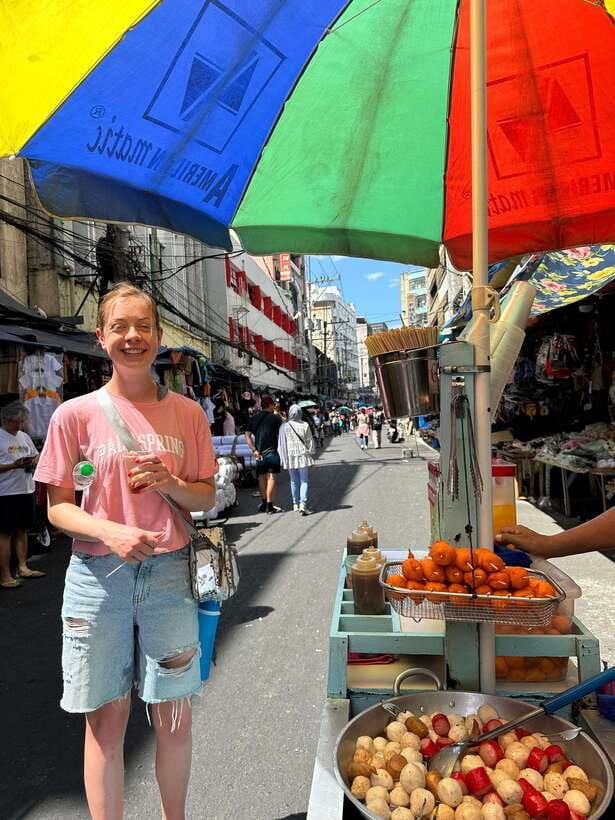
The tour is centered on Filipino street food in downtown Tondo and Binondo, with Chinese and Filipino influence blending throughout the experience. In other words, it is not only Chinese restaurants and it is not only Filipino-only dishes. It is the shared street-food language that people use in this part of Manila.
Some of the specific items mentioned as part of the tasting include:
- Shanghai Fried Siopao, a filled, fried dumpling-style bite that usually lands well if you like warm, bready comfort foods
- Lord Stow’s egg tart, a sweet, creamy pastry that makes a great palate cleanser between savory tastes
You should also expect a mix of sweet, savory, and spicy flavors during the walk. That might mean one stop leans more on sweetness while another brings heat. If you know your spice tolerance, it is worth telling your guide. You can still enjoy the tour, but you want your mouth to stay in the comfort zone.
More Food & Drink in Philippines
- Manila Food Tour: Introduction to Philippine Street Food
★ 5.0 · 3 reviews - Manila Food Tour: Introduction to Philippine Street Food
★ 5.0 · 417 reviews - Boracay Sunset Cruise with Party DJ & Unlimited Food and Drinks
★ 5.0 · 211 reviews - Manila: Street Food and Drinks Walking Tour with Tastings
★ 4.8 · 114 reviews
If you have a specific food list, double-check
Here’s the most important “value” piece for your planning. One person who booked felt disappointed because several iconic Chinatown items were not included, even though they are well-known in Binondo. Names that came up as missing for that booking included:
- fresh lumpia at New Po Heng Lumpia House
- Kutchay Dumplings at Dong Bei Dumplings
- hand-pulled noodles at Lan Zhou La Mien
So if you have a strong must-eat plan, do yourself a favor and message before booking to confirm whether those exact stops or dishes are on the route for your date. With a food tour, your happiness depends heavily on whether the tasting lineup matches what you actually crave.
The food plus the ride: why tuk-tuk and jeepney moments matter
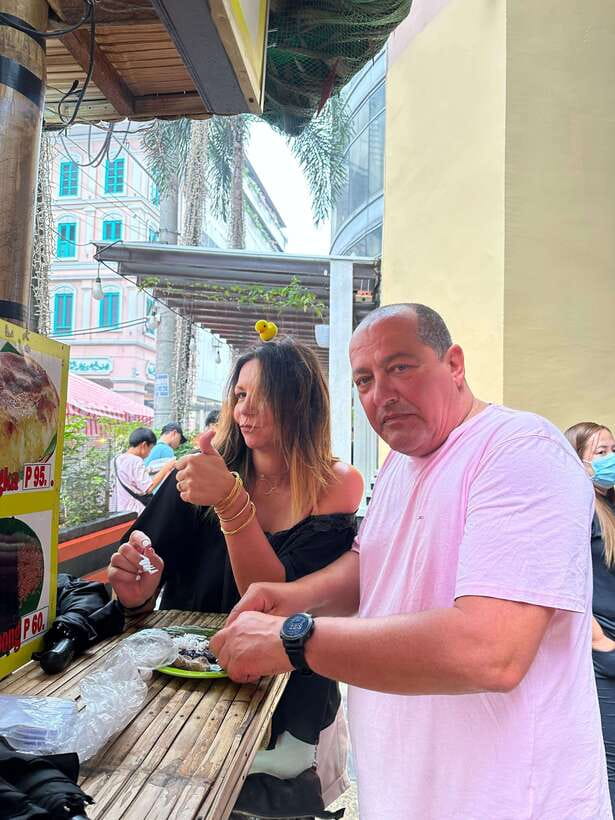
Food tours can be one-note if it is all walking. This one adds local transportation, and that matters more than it sounds. Tuk-tuk and jeepney rides give you a different pace, different street angles, and a better sense of how people move through Manila day to day.
That ride element also makes the two-hour experience feel less repetitive. You get breaks from foot traffic, and you can focus on conversations with your guide instead of only watching sidewalks. One booking even called the transport rides enjoyable, which is a good sign that the tour uses movement as part of the experience, not just logistics.
It is also a smart way to reach different parts of Chinatown and nearby areas without turning the day into a long hike.
The historical stops: what you will learn, and how to make it stick
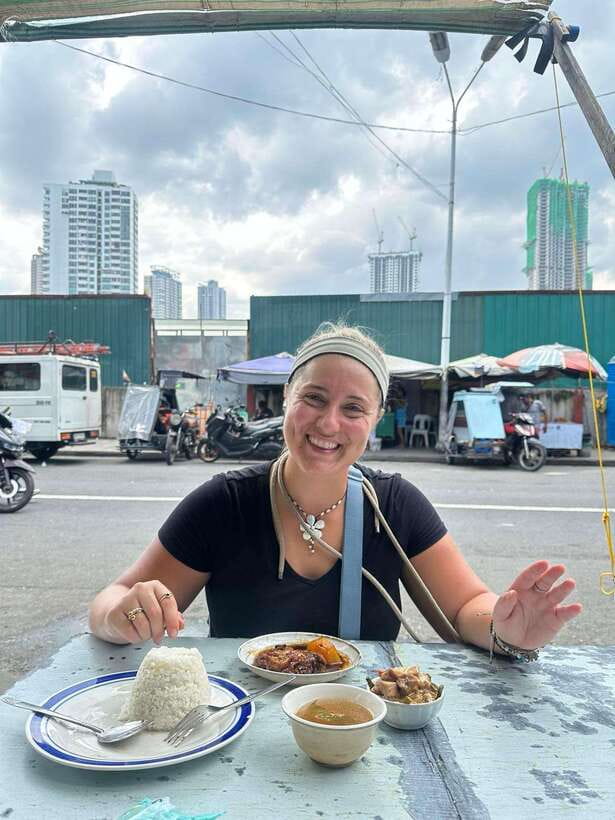
The tour highlights historical landmarks and older buildings in Chinatown. That is your visual cue that this is not random street vending. The neighborhood has layers, and the guide is there to connect those layers to what you are eating.
That said, one booking noted that historical insights felt too light for what they hoped to get. So treat this as a guide-led walk with context, not a full museum lecture. The best way to get the history you want is simple: bring questions.
Ask things like:
- What makes Chinese-Chinatown food in Manila different from other places?
- How do older buildings in Binondo relate to today’s food culture?
- What should I notice when I see signs, packaging, or shop fronts?
With Venus leading in English, you are likely to get helpful answers, especially if you ask specific, curious questions instead of broad ones.
Price and value: why $65 can be a good deal
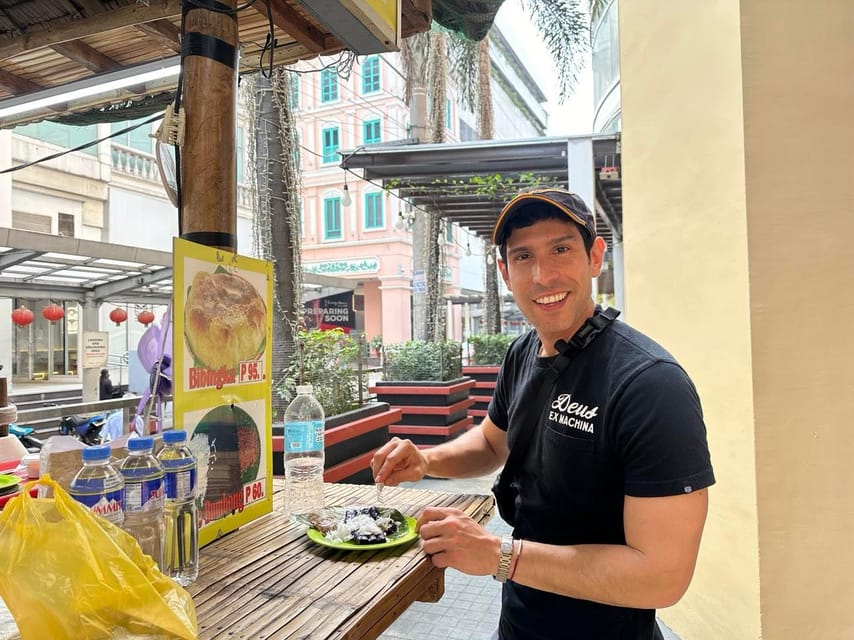
At $65 per person for 2 hours, you are paying for several things at once:
- a live English guide (not just a map)
- multiple food tastings
- bottle water
- local transportation to keep the walk efficient
If you compare that to paying separately for a guided walk plus food plus transport, this pricing can make sense. The value is strongest when you like guided tastings and you are okay with trying items you might not order on your own.
Where the value can wobble is if your personal “must-try” list is very specific. If your top desires are not on the tasting route, you will feel like you paid for convenience rather than for your exact cravings. That is why checking whether your target dishes are included is the best way to protect your $65.
Who should book this Chinatown food tour
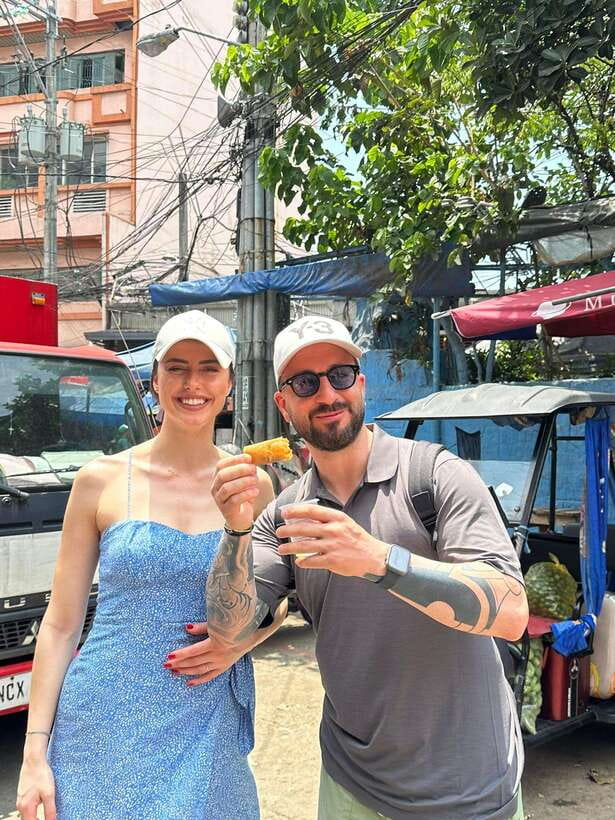
This tour fits you well if:
- you want a guided way to eat in Binondo without guessing where to go
- you like Filipino street food, but you also want the Chinese-Chinatown influence
- you enjoy asking questions and getting cultural context along the way
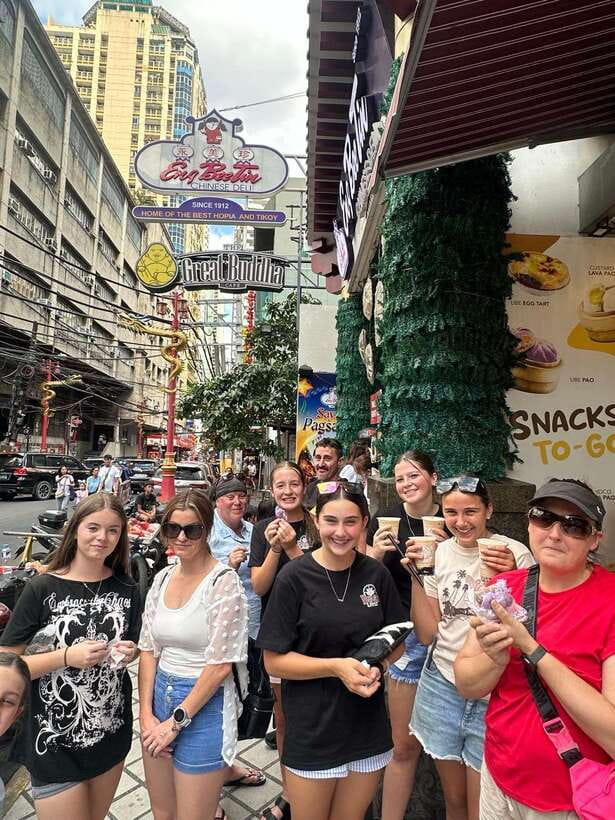
- you are traveling in a group mix, since meeting other people is part of the fun of walking together
It may not fit as well if:
- you want a guaranteed exact lineup of specific shops or noodle houses
- you want a deep, structured history lesson at every stop
- your schedule is extremely tight and you cannot tolerate the effects of traffic
Final call: should you book it
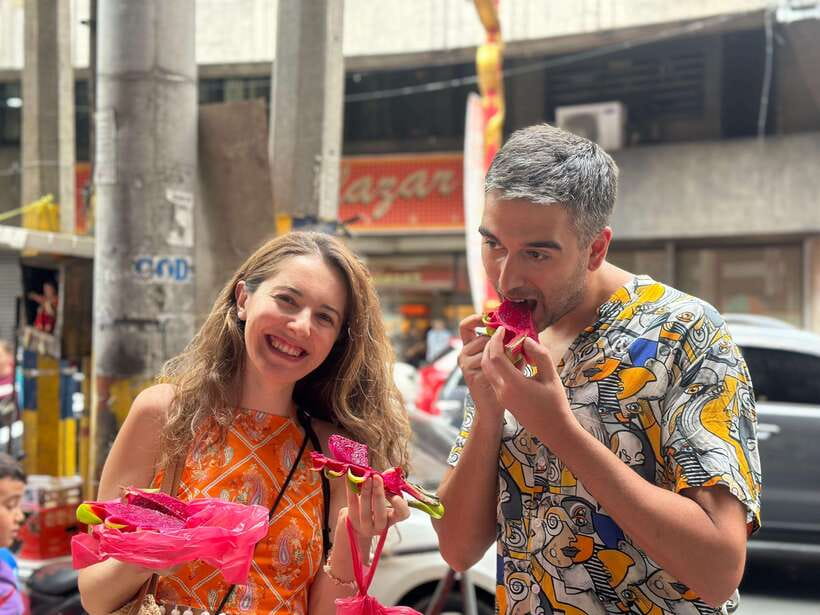
If you want a practical, food-first introduction to Binondo that mixes Chinatown sights, street snacks, and local rides, I think this is a solid choice. Venus’s guide energy, the added tuk-tuk and jeepney moments, and the fact that you come hungry with tastings planned makes it feel like a good value use of time.
Before booking, make one decision on purpose: confirm your must-eat dishes if they are on the famous list you already know. If your priorities are broader, like trying a range of sweet, savory, and spicy bites, you are likely to have a great time.
FAQ
How long is the Manila Chinatown food tour?
The tour lasts 2 hours.
How much does it cost?
It costs $65 per person.
Where do I meet the guide?
The meeting point is the mall entrance at Tutuban Center Mall.
Is the tour affected by rain?
It runs rain or shine.
What is included in the tour price?
It includes a local guide, Filipino street food tastings, bottle water, and experience local transportation.
Is the tour in English, and are kids allowed?
The live tour guide speaks English, and kids are allowed from age 3 and up.
FAQ
How much do I need to plan ahead?
You can book within 24 hours, and the tour also offers free cancellation up to 24 hours in advance for a full refund.
Newest reviews around Philippines
- Siargao Tour E (Private Tour)★ 5.0 · 3 reviews
- Tri island tour: Naked Island, Daku Island and Guyman Island★ 5.0 · 3 reviews
- Siargao Tour C (shared tour)★ 3.8 · 4 reviews
- Siargao Tour B (shared tour)★ 4.1 · 4 reviews
- Trekking to see the beautiful view of Cebu City★ 3.3 · 4 reviews
- Siargao:Lagoon,Cave Rock Pool, w/Lunch & Transfer★ 4.5 · 4 reviews
- Surigao/Siargao: Sohoton Cove Tour with Lunch and Pickup★ 3.5 · 4 reviews
- SIARGAO: PRIVATE ISLAND HOPPING GUYAM, DAKU AND NAKED ISLAND★ 4.1 · 4 reviews
Manila Chinatown, compared.
Intramuros, Chinatown, and Old Manila Half-Day Tour
Read our review →
Manila Food Tour: Explore World’s Oldest Chinatown
Read our review →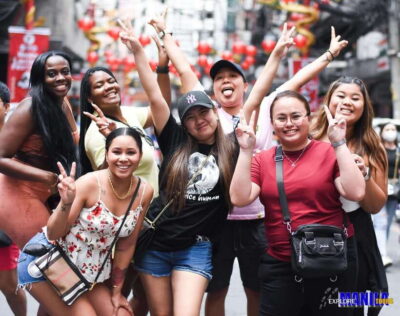
Intramuros, Chinatown, and Old Manila Half-Day Tour
Read our review →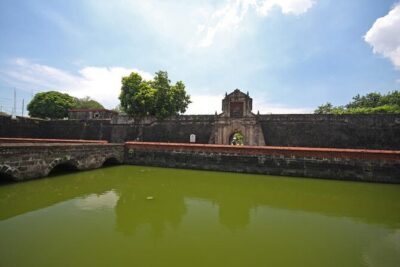
Intramuros & Chinatown Manila Tour – Walking, Food & Culture
Read our review →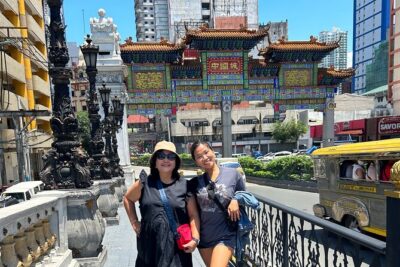
Browse the lists this tour appears in