
Reviewed · MANILA CHINATOWN
Manila: Binondo Chinatown Food Tour with Free Food Samples
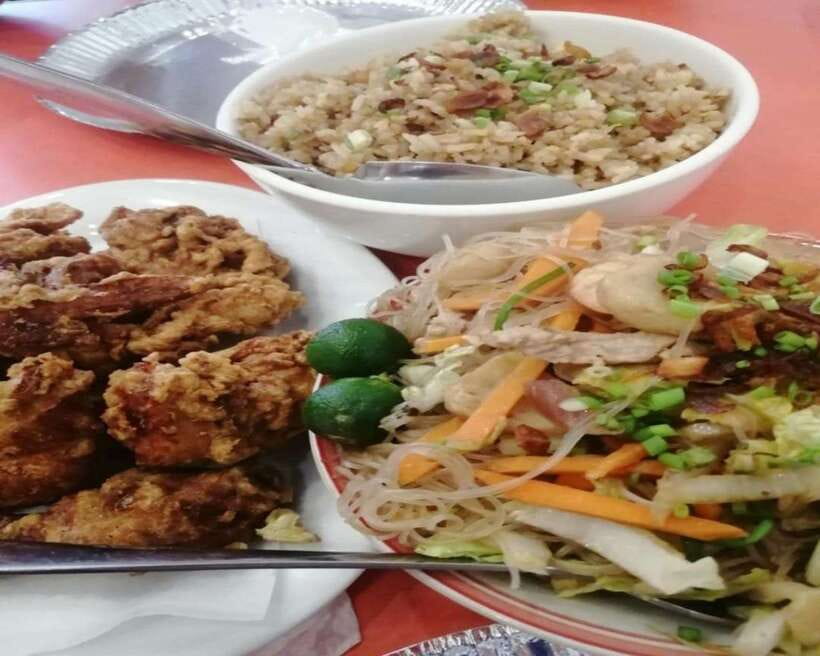
Binondo Chinatown is the kind of place where food and streets share the same story, and this guided walk is a practical way to taste your way through it. I especially like the free food samples, because they help you try dishes you would normally skip on a menu.
I also love that the tour starts at Binondo Church and builds from there, with a guide who connects what you eat to what you see on the route. One thing to consider, though, is that this is a full 3-hour walking experience with no wheelchair setup, so comfortable shoes are non-negotiable.
Key highlights
- Meet at Binondo Church to set context before you start eating
- Free food samples across savory street bites and sweet pastries
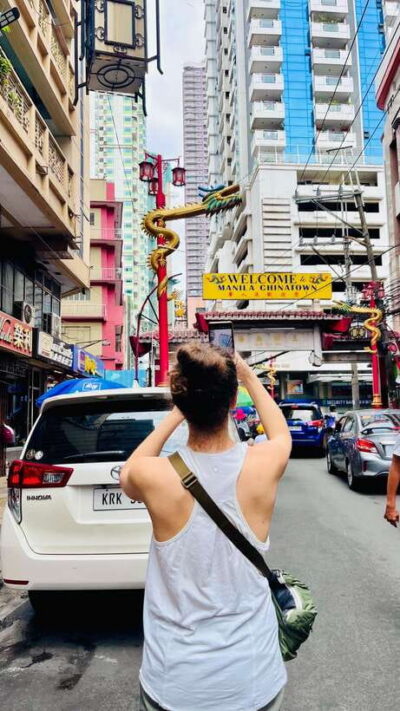
- Ongpin Street plus major landmarks that anchor the route
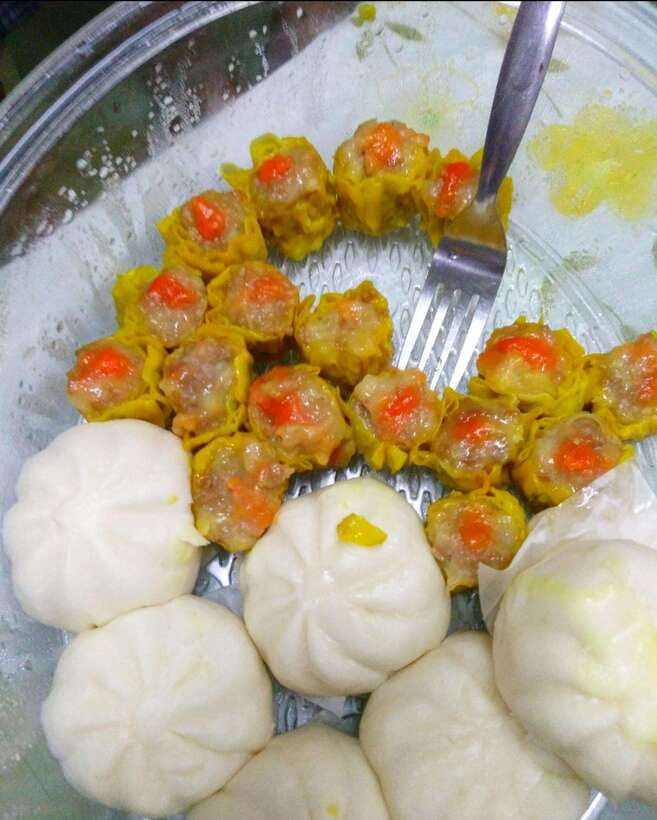
- Siopao and dim sum style favorites you can actually compare side by side
- Local storytelling that ties Chinatown food to the neighborhood’s identity
- A 3-hour, end-at-the-start walk plan that keeps things simple
Why Binondo is an ideal food-walk neighborhood
If you like food, you want your destination to have two things: strong flavors and strong local habits. Binondo delivers both. It is Manila’s Chinatown, established in 1594, and it still feels like a neighborhood where families and shops live close to the sidewalk.
What I like about doing this as a walking tour is that you get around without wasting time hunting for the right stall. You also get the “orderly chaos” right away, with you seeing the street scenes while your guide handles the food stops. In other words, your feet do the work, and your stomach does the voting.
And because it is organized as a guided tasting, you get a focused experience instead of random snacking. That matters in Binondo, where there is plenty to eat and plenty to tempt you. This tour gives you a route so you can taste the essentials without turning it into a full food marathon.
More Food & Drink in Manila
- Manila Food Tour: Introduction to Philippine Street Food
★ 5.0 · 417 reviews - Manila Food Tour: Explore World’s Oldest Chinatown
★ 5.0 · 158 reviews - Manila: Street Food and Drinks Walking Tour with Tastings
★ 4.8 · 114 reviews
Starting at Binondo Church: the quickest way to get your bearings
You meet at the Minor Basilica and National Shrine of Saint Lorenzo Ruiz, Binondo Church. That choice is smart. Before you taste anything, you get grounded in the place itself, which helps the rest of the walk make sense.
A good guide will set the tone fast, covering why the neighborhood exists, how it developed, and how major landmarks link to the identity of Chinatown. This is where the tour becomes more than just eating. Even if you are not a history buff, you will understand why people gather, why certain streets feel central, and why the area’s food culture has its own rhythm.
You also get a natural starting point for photos. The church area is easy to find, and it gives you a clear reference point for the whole morning or afternoon flow. Just plan on being ready to walk immediately after meeting, because the tour does not pause for long transitions.
Ongpin Street street snacks: where the route starts paying off
Once you’re moving, Ongpin Street becomes the spine of the experience. This is the kind of street where you can smell food before you see it, and where the crowd energy makes the tasting feel like an actual local routine.
The big advantage of having a guide here is timing. In Chinatown, lines and busier moments can shift quickly. A guide helps you hit stops in a sensible order, so you spend more time eating and less time standing around deciding what to get.
Expect a mix of street-level bites and small meals. The tour is designed to show variety, not just one style of food over and over. That means you get a chance to compare savory choices, then shift toward desserts later. And if you’ve never tried certain Chinese-Filipino staples, this format makes it far less intimidating. You are not ordering blindly in front of a menu you might not read.
Plaza San Lorenzo Ruiz: connecting food and the neighborhood’s identity
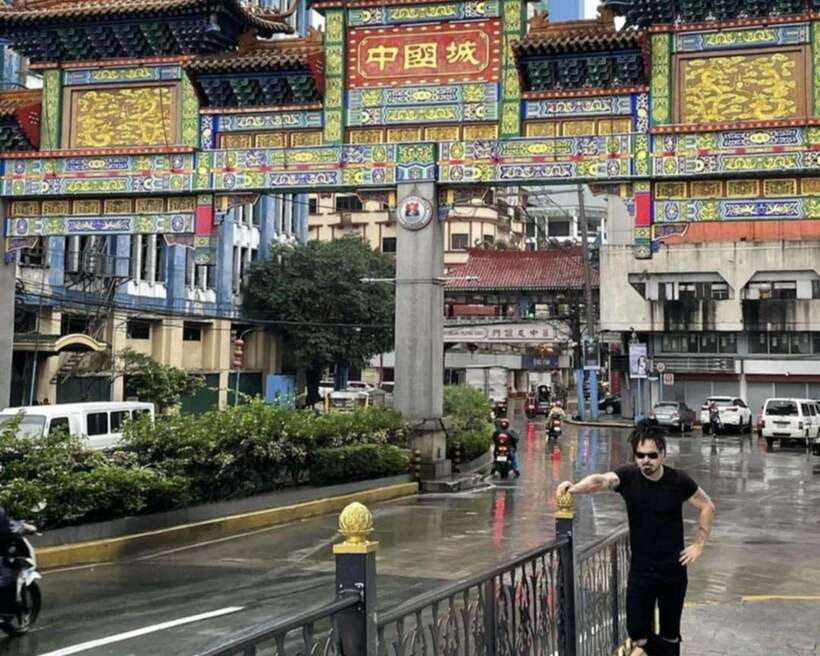
Along the way, you stop near Plaza San Lorenzo Ruiz. This part is more than a pretty pause. It acts like a cultural marker, letting you step back and understand why certain places matter to the community.
When a guide ties the food stops to landmarks, you start noticing details you would otherwise miss: the flow of foot traffic, where people gather, and how the neighborhood’s character shapes what gets sold and when. That context turns the tasting from random bites into a sequence with meaning.
It also helps you appreciate the mix of influences in Manila’s Chinatown food culture. Chinatown food in the Philippines does not feel like a museum version. It feels lived-in, adapted, and eaten regularly by locals. That is exactly the kind of “why” you want on a short, 3-hour tour.
More of Manila Chinatown:
- Manila: Intramuros, Chinatown, and Old Manila Half-Day Tour
★ 4.8 · 475 reviews - Manila: Guided Food Tour of Binondo with Tastings
★ 4.8 · 38 reviews - Manila: Binondo Chinatown Guided Walking Tour
★ 5.0 · 27 reviews - Manila: Chinatown Nighttime Tour by Tuk-Tuk
★ 5.0 · 13 reviews
Dim sum and savory bites: the best part to come hungry for
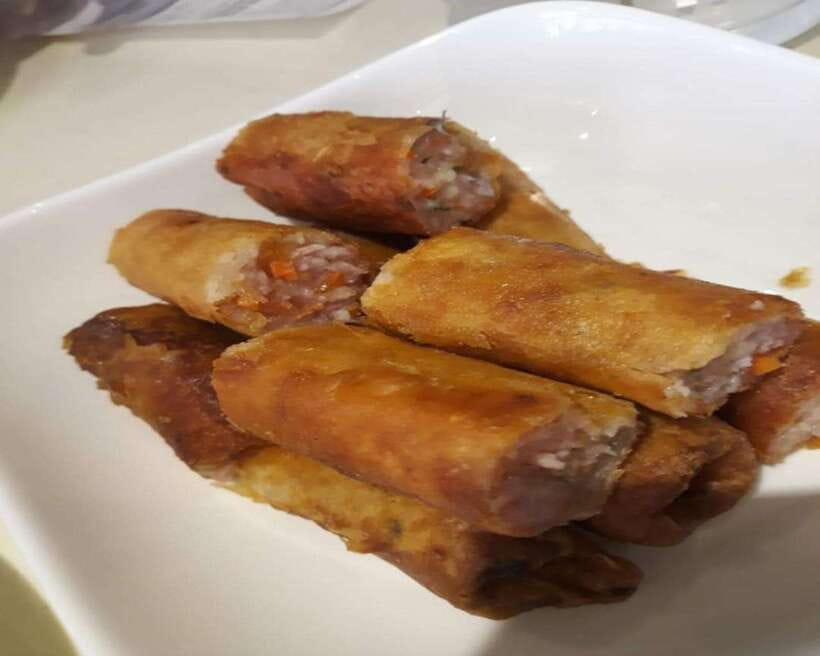
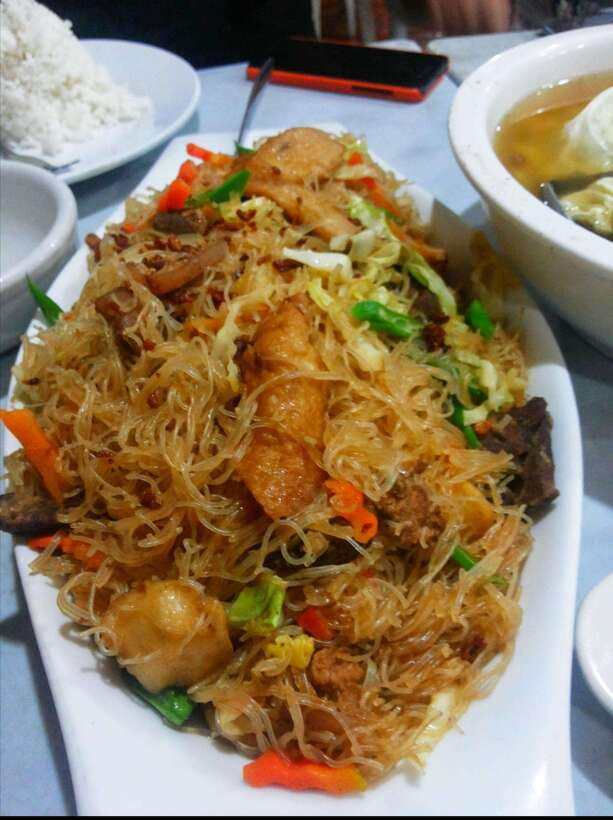
Savory food is where the tour earns its value, because the tastings are designed to show range. You’ll get sampling that leans into dim sum-type favorites and other classic Chinese-Filipino comfort foods.
A highlight in the experience is siopao. People specifically call it out as amazing, which makes sense. Siopao is filling, flavorful, and instantly recognizable as Chinatown comfort. It’s the kind of food that can convert you from curious eater to happy believer in one bite.
The tour’s format helps you eat thoughtfully. Instead of committing to one heavy dish, you get smaller tastings that let you compare flavors and textures. You get a sense of what’s tender, what’s savory, and what tastes best when paired with the general street-food vibe.
One practical note: if you arrive only slightly hungry, you might feel rushed in the first part of the tasting. Try to arrive with a normal appetite. You do not want your first sample to be your last sample.
Sweet pastries and dessert stops: how the tour finishes strong
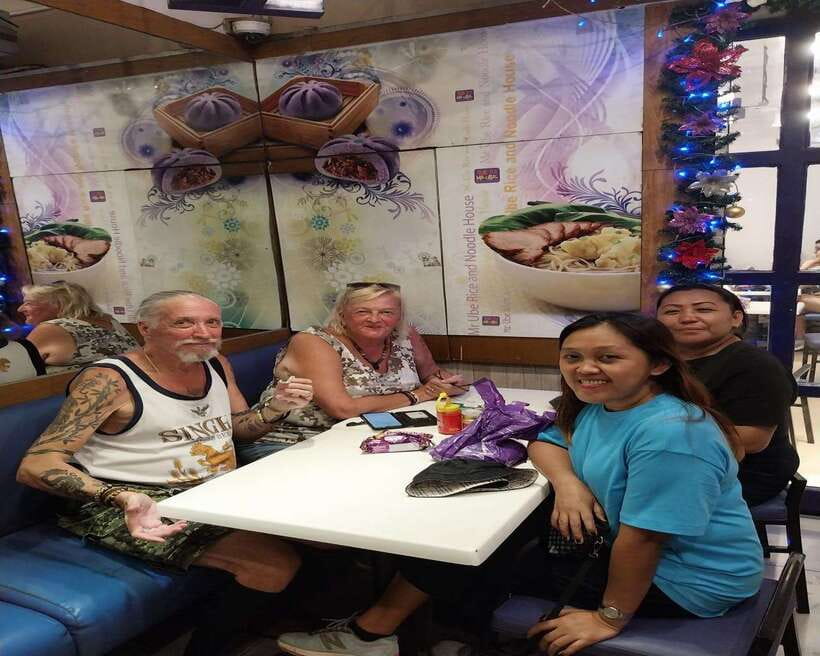
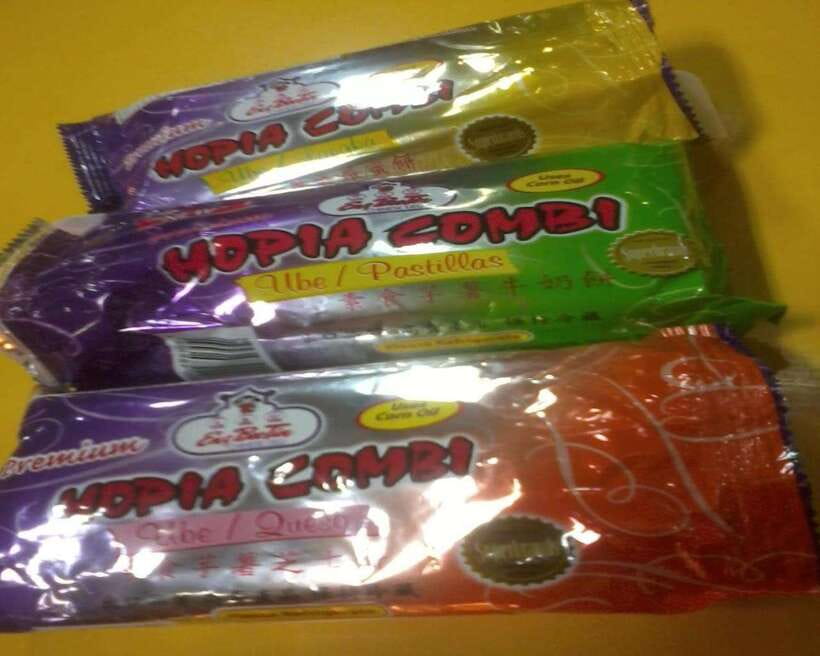
After the savory portion, you shift toward traditional pastries and mouthwatering desserts. This is not an afterthought. The sweet segment is the payoff that rounds out the entire experience.
In Chinatown, desserts can feel almost like a separate language from the savory dishes. They help you understand the full culinary spectrum, from hearty comfort to lighter, sweeter finishes. If you have a sweet tooth, this is where you’ll feel the most satisfaction, because the tastings are designed to show that side of Chinatown too.
You also get the fun of ending with a variety of flavors rather than one “final dessert.” It’s more like a mini tasting flight of sweets, which is exactly what you want in a short tour.
If you’re the type who normally skips dessert because you’re already full, this tour may change your mind. The tastings are portions meant for sampling, not for making you regret your choices later.
What makes the price feel fair for an $80 tasting tour
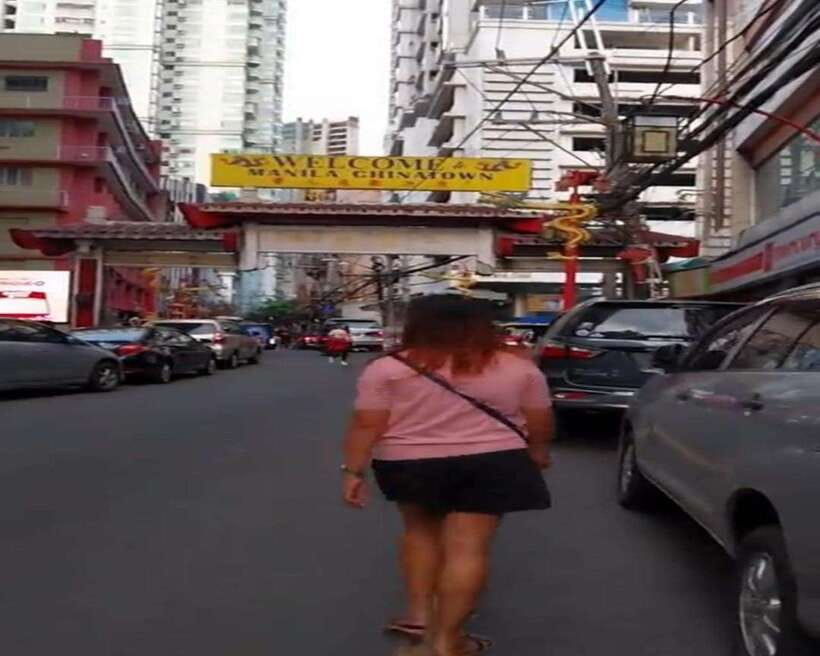
At $80 per person for a 3-hour walking experience, the question is not whether it’s cheap. It’s whether it’s useful.
Here’s why it can be good value:
- You get free food samples, which is the biggest cost driver in any food tour. Without that, $80 would be hard to justify.
- You avoid the trial-and-error stage of ordering solo, where you might spend money on one dish and still miss key styles.
- You gain something intangible but real: a local guide who links landmarks, streets, and food. That turns the walk into a story you can remember.
And it matters that it’s a private group. Private does not automatically mean luxury. It typically means you get a smoother pace and less waiting, which is a big deal when you’re eating. Your guide can keep the route moving and tailor explanations as you go.
If you enjoy food but do not want to spend your entire day figuring out where to eat, this kind of guided tasting is one of the most time-efficient ways to do it.
Timing and logistics: what a 3-hour Chinatown walk actually demands
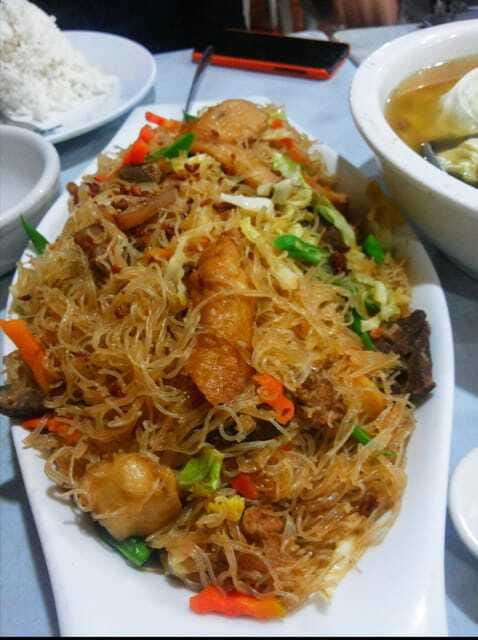
This is a walking tour for the full 3 hours. That sounds simple until you’re wearing the wrong shoes and you’re trying to enjoy street food at the same time.
Here’s what to plan around:
- Bring comfortable shoes. You are on your feet most of the time.
- Bring water. Even if you’re tasting, you still need hydration.
- Bring your camera, because the landmarks and street scenes are photo-friendly.
- Know that the meet-up point is also the end point, so you’ll be returning to Binondo Church.
In practical terms, I treat a tour like this as a “pre-planned eating plan.” You’re trading a little freedom for smoother flow and better guidance. If you like structure, you’ll appreciate it. If you prefer wandering without any schedule, you might find the route pace feels more guided than spontaneous.
Who should book this Binondo Chinatown food tour
This tour is a strong match if you:
- Want a shortcut to tasting authentic Chinese-Filipino flavors without studying menus first
- Like tours with real context, not just a list of foods
- Appreciate landmark stops like Ongpin Street and Plaza San Lorenzo Ruiz
- Prefer an English-speaking (and Tagalog) local guide who tells the stories behind what you eat
It’s less ideal if you:
- Need wheelchair access, because this tour is not suitable for wheelchair users
- Hate walking, even for a few hours
- Want an ultra-flexible, choose-your-own-adventure style route
If you’re visiting Manila for a limited time and want a focused culinary experience, this checks a lot of boxes.
Should you book this Binondo Chinatown Food Tour?
Yes, if your goal is to eat well in less time and still understand what you’re eating. Meeting at Binondo Church, getting street-level context on Ongpin Street, and sampling both savory favorites like siopao and sweet pastries is a smart mix for a 3-hour visit. Just come prepared for walking, bring water, and keep your expectations grounded in tasting portions rather than a full meal buffet. If you do that, you’ll likely leave with a much clearer picture of why Binondo food culture has lasted.
FAQ
Where is the meeting point for the tour?
You meet at the Minor Basilica and National Shrine of Saint Lorenzo Ruiz, also known as Binondo Church.
How long does the tour last?
The tour duration is 3 hours.
How much does the tour cost?
The price is $80 per person.
What is included in the tour?
It includes free food samples, a guided walking tour, and stops at historical landmarks and popular food stalls or restaurants.
What languages does the guide speak?
The tour is guided in English and Tagalog.
Is tipping included in the price?
No. Tip or gratuity is not included.
Is the tour suitable for wheelchair users?
No. The tour is not suitable for wheelchair users.
What should I bring?
Bring comfortable shoes, a camera, and water.
Newest reviews around Manila
- TAGAYTAY DAY TOUR FROM MANILA★ 5.0 · 3 reviews
- 3 Days Private Tour in Banaue Ifugao visiting Batad Rice Terraces★ 3.5 · 3 reviews
- 4 Day Banaue Ifugao Rice Villages Private tour Trekking★ 4.5 · 3 reviews
- Bites and Sights: Tagaytay Food and Nature Excursion from Manila★ 4.0 · 3 reviews
- Embark on a 7-Day Banaue-Sagada Adventure of a Lifetime★ 5.0 · 3 reviews
- Philippines Intro 3 days 2 nights Tour Best of Manila and Beyond★ 5.0 · 3 reviews
- Tagaytay: Taal Volcano Tagaytay Private Tour w/Jeepney Ride★ 5.0 · 3 reviews
- Following the Footsteps of Anthony Bourdain★ 5.0 · 3 reviews
Manila Chinatown, compared.
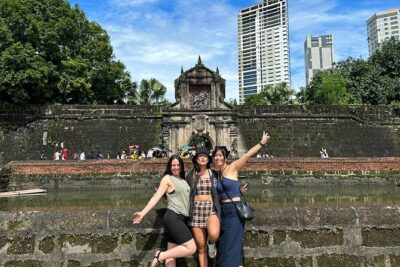
Intramuros, Chinatown, and Old Manila Half-Day Tour
Read our review →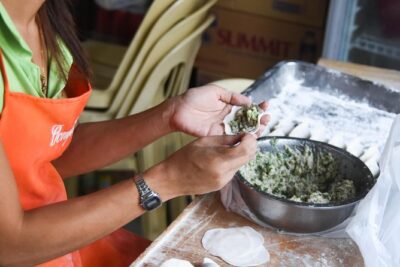
Manila Food Tour: Explore World’s Oldest Chinatown
Read our review →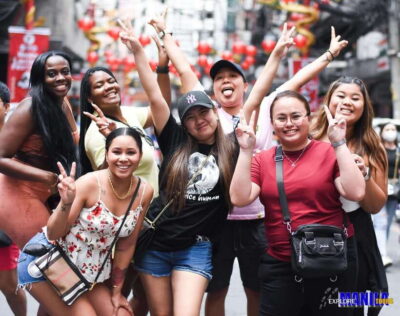
Intramuros, Chinatown, and Old Manila Half-Day Tour
Read our review →
Intramuros & Chinatown Manila Tour – Walking, Food & Culture
Read our review →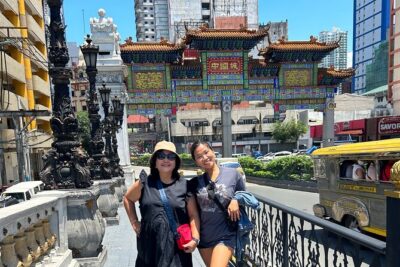
Browse the lists this tour appears in