
Reviewed · THE PHILIPPINES
Home Cooked Meal with a Filipino Grandma
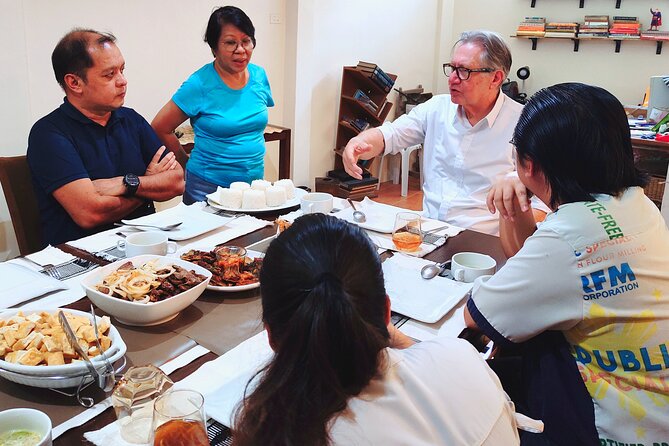
A home meal in Manila is interesting for one reason: you are not eating a show. You are eating a real day in a real kitchen, with garlic sizzling, family talk in the background, and food that has been refined over decades. It is the kind of experience that turns dinner into a conversation.
Two things I especially like about this tour are the family-style lunch format (you can sample more and move at an easy pace) and the focus on stories that connect food to different parts of the Philippines. One drawback to consider is that there are no vegan options, so you’ll want to plan accordingly or reach out ahead if you have other restrictions.
Key highlights before you book
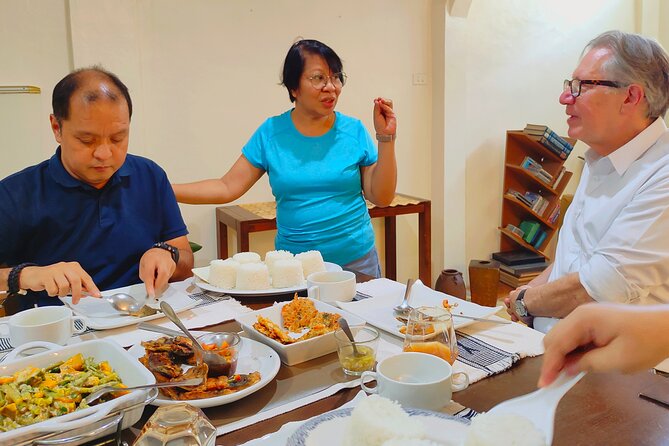
- Family-style lunch that feels relaxed, not staged
- A small group capped at 10 people, so you can actually talk
- Coffee or tea included, with a no-rush atmosphere
- Regional food stories tied to Filipino family traditions
- A home dining setting in a neighborhood tourists rarely cover
Why a Filipino grandma’s home meal beats a restaurant lunch
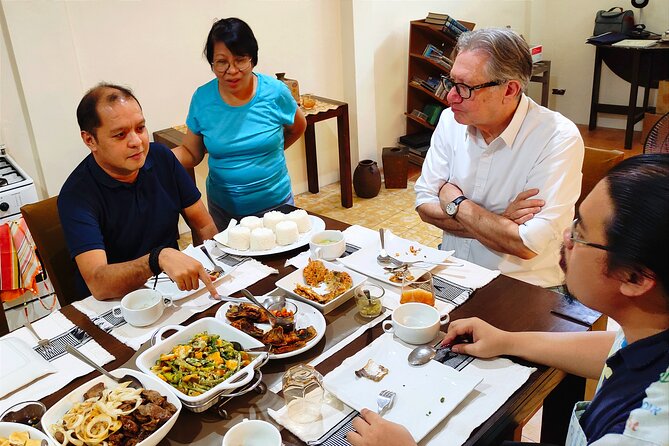
This experience is compelling because it trades polish for personality. In a restaurant, food arrives. In a home, food also tells you who made it, why it matters, and how it fits into family life. You get that rare “eat with the locals” feeling, but without pretending you are part of the family already. The hosts guide you, then you simply sit down and enjoy.
I also like that it is anchored in Philippine warmth, not just flavor. The best part is how the host talks while cooking and serving. In one standout moment, Oyet comes across as a calm, generous teacher who turns the meal into life lessons, not a lecture. People laugh, talk, and swap stories. That social glue is what makes the food taste better.
The last thing I appreciate is the setting. The meal happens in a neighborhood tourists rarely get to explore, so you are not stuck in the usual “Manila highlights” circuit. You still get an experience that is easily accessible, with a clear meeting point and public-transport access nearby.
Other days out of Luzon people pair this with:
- Manila Old and New: Sightseeing Tour Including Intramuros and Fort Santiago
★ 4.5 · 377 reviews - Manila’s Walled City: Intramuros Walking Tour
★ 5.0 · 82 reviews - Manila Filipino Cooking Class: Meryenda Favorites
★ 5.0 · 80 reviews
Your 2.5-hour lunch rhythm, with breathing room
The tour runs about 2 hours 30 minutes, starting at 11:00 am. That timing matters. A late morning meal in someone’s home feels natural, almost like you got invited to family lunch rather than booked into a timed attraction.
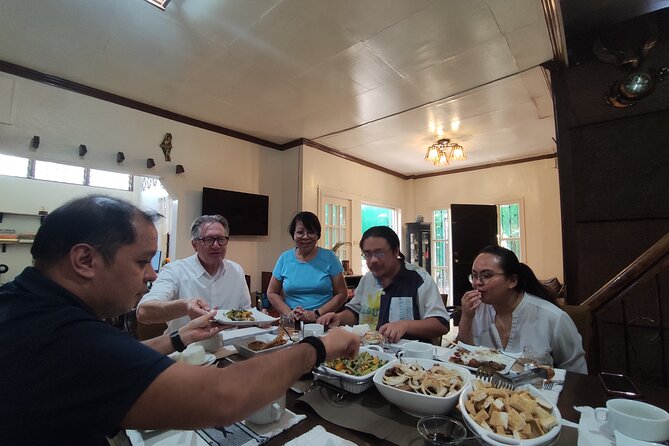
During those hours, you’ll settle in for a multi-course home-cooked lunch served family-style. Family-style is more than a serving method. It means you are not waiting for one perfect plate. You can share dishes, try a bit of everything, and adjust your pace based on what you enjoy.
The format also makes conversation easier. When food is passed around, people talk. When plates come one by one from a counter, you tend to eat in silence. Here, the kitchen energy and the table chatter create a steady flow, with less pressure and fewer interruptions.
One practical consideration: because this is a home setting, your experience will depend on comfort with small-group dynamics and conversation. If you prefer total quiet, this may not be your style. If you like hearing stories and answering a few friendly questions, you’ll likely have a great time.
Meeting in Makati: a clear start and an easy return
You meet at airobedz BGC1051, General G. Del Pilar St, Makati, Makati City, 1214 Metro Manila, Philippines. The start time is 11:00 am, and the activity ends back at the meeting point.
That “back where you started” detail is more helpful than it sounds. It means you can plan the rest of your day without worrying about where you’ll end up. It also keeps the day simple for solo travelers or couples who do not want extra transfers after lunch.
It is also described as near public transportation. That matters in Manila, where getting around is easier if you stay close to routes that actually work. Even if you are using a rideshare or taxi, being near public transport can give you backup options.
Bring normal home-dining etiquette, meaning be polite, keep your phone use reasonable, and go in with curiosity. This is not a food court. You are stepping into someone’s home, so small manners go a long way.
The family-style meal: how it works and what to notice
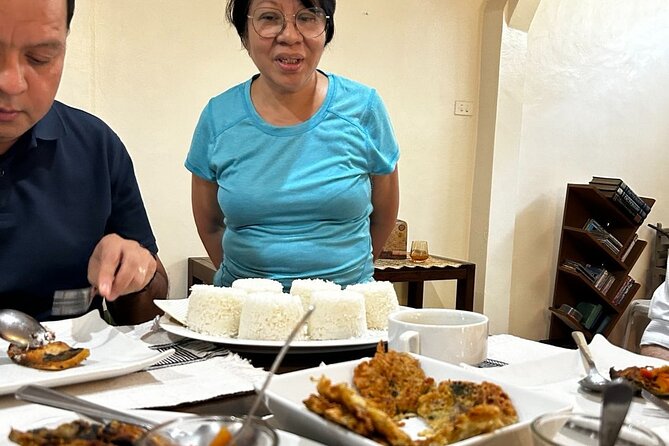
The lunch is generously served family-style, and that changes how you taste. You’re not just trying one signature dish. You are sampling multiple dishes from the table, which is ideal for a place like the Philippines where meals can combine savory, tangy, and garlicky flavors in one sitting.
Family-style also gives you flexibility. If one dish is too salty for your palate, you can switch to something milder next. If you fall in love with a particular flavor, you can ask for more. It is a practical way to eat across courses without feeling locked in.
You’ll also have coffee and/or tea included. That is a small inclusion, but it helps the meal feel complete. In many tours, you pay extra for drinks or you leave early to find a cafe. Here, you stay at the table for the full experience, with something warm to sip as the conversation winds down.
No vegan options are explicitly noted. That is the biggest menu limitation you need to plan for. If you eat vegetarian or have specific requirements, the tour asks you to reach out with food allergies or restrictions. Do that before you book if you can, so you are not guessing.
Something else entirely, still out of Luzon:
- Batad Guided Tour
★ 5.0 · 78 reviews - Manila Super Saver: Manila Sightseeing plus Tagaytay Tour with Taal Volcano
★ 4.0 · 75 reviews - Express Bamboo Bike Tour inside Intramuros
★ 4.5 · 66 reviews - PanoramicTagaytay Ridge Tour from Manila
★ 4.0 · 52 reviews
Food stories from the Philippines, not just food plates
One of the most praised parts of this experience is the human side of the meal: cooking, talking, laughing, and sharing life and history. That combination matters because it turns the food into a map. You start to understand why certain flavors show up in different family kitchens, and how those traditions travel across regions.
The tour description frames the meal as a multi-course Filipino food experience with authentic dishes and stories from different regions of the Philippines. Even if you do not get a formal “here is Region X, here is Region Y” talk, you still benefit from the way the host connects what you are eating to a wider cultural context.
Here is what you should pay attention to as you eat:
- How the host explains what makes a dish special beyond taste.
- The little details tied to family routines, like what gets cooked for gatherings and what gets cooked for comfort.
- The order of dishes, because course flow often reflects how Filipino lunches are built around sharing.
If you enjoy learning while eating, this is the sweet spot. If you only want photo ops and speed, the stories may feel like a bonus you can ignore. But the review highlights make it clear the conversation is a central part of the value.
Group size capped at 10: why it makes the meal better
This is max 10 people. That is small enough for the host to remember who is who and for you to ask questions without feeling rushed. In a larger group, a home-cooked experience can turn into a production line. Here, the limit supports the opposite: slower pacing and more personal attention.
For solo travelers, the small size can be a relief. You get a natural chance to talk without forcing it. For couples and friends, it keeps the vibe comfortable rather than noisy. For families, it is generally easier when the group is not huge, because you are not competing for the host’s focus.
The flip side: because the group is still a group, you might not get a full one-on-one conversation. If that is what you want, set expectations and aim to engage when the host asks questions or pauses between courses.
Price and value: what $60 buys you in Manila
The price is $60.00 per person, and the tour is often booked about 10 days in advance on average. I treat value like a math problem plus a gut check.
The math part is straightforward. You get a multi-course home lunch, coffee and/or tea, a small group experience, and guided storytelling. You are also not paying extra for venue access, since you are in someone’s home, and your hosts are doing the work of teaching and serving.
The gut check part is harder, but here it matters most: the value comes from access. Getting invited into a real kitchen is not the same as eating in a restaurant that could be anywhere. You are paying for the intimacy, the conversation, and the way the food is explained in context.
One more thing: gratuity is not included. That means your total cost may be slightly higher if you tip. If you budget normally for tipping in your home country, plan a little extra so you do not feel awkward at the end.
If you are deciding between a standard meal and this home dining experience, ask yourself what you want from Manila. If you want scenery, stick to sights. If you want food culture and real hospitality, this price starts to look reasonable.
Who should book this home-cooked lunch, and who might skip
Book it if you want:
- A home-style Filipino lunch over a restaurant meal
- A small-group setting with conversation at the table
- Food stories tied to family tradition, taught by someone like Oyet who makes cooking feel personal
- A morning meal that keeps your afternoon free
You might skip it if:
- You need vegan options. None are provided.
- You prefer food without talk. If you hate questions and social interaction, this may not be relaxing.
- You have very complex allergy requirements that require special substitution. The tour asks you to reach out for allergies or restrictions, but the data does not promise specific accommodations.
Also consider the weather. The experience requires good weather, and if it is canceled due to poor weather, you will be offered a different date or a full refund. That means you should book with a plan B date in mind, especially if you are traveling in rainy season.
Practical tips for a smooth home dining visit
To make the most of your time, show up ready to eat and talk.
First, treat it like a home meal, not a show. That means arriving on time, dressing comfortably, and keeping your expectations simple: you are there to eat what the host serves, learn what you can, and enjoy the atmosphere.
Second, handle allergies early. If you have food allergies or restrictions, contact the provider before the tour. The tour explicitly asks you to reach out for that, which is your best way to avoid surprises.
Third, plan for family-style sharing. You’ll likely sample dishes together, so keep your questions friendly and avoid being overly precious about portion sizes. If you dislike something, it is okay to say so politely and move to another dish.
Finally, bring patience for a small-group pace. Two and a half hours goes fast when you are chatting, passing dishes, and listening to stories. If you schedule something tight right after lunch, leave breathing room. Manila is not a city built for strict minute-by-minute plans.
Should you book this home cooked meal with a Filipino grandma?
I think you should book it if you are in Manila and want a real Filipino food experience that feels human, not performative. The best proof is the reaction to the hosts and the cooking conversations, especially the way Oyet turns the meal into shared laughter and meaningful stories. Small group size helps a lot too, because it supports real interaction.
I would hesitate if vegan eating is non-negotiable, since there are no vegan options. I would also pause if you want quiet, fully independent dining. This is a table where people talk.
If you fit the right vibe, this is one of those $60 experiences that can end up being the memory you talk about later, the one where the food came with context and the host made you feel welcome without rushing you.
FAQ
How long is the home cooked meal experience?
It lasts about 2 hours 30 minutes.
What is included in the $60 per person price?
Lunch is included, along with coffee and/or tea.
Are vegan options available?
No vegan options are listed.
Can I request help for food allergies or restrictions?
Yes. You should reach out to the provider for food allergies or restrictions.
How many people are in the group?
The tour has a maximum of 10 travelers.
What if the weather is poor, or I need to cancel?
The experience requires good weather. If it is canceled due to poor weather, you’ll be offered a different date or a full refund. Free cancellation is available up to 24 hours before the experience start time for a full refund.
Newest reviews around Luzon
- Explore the northern mountains of Sagada 3days 2 nights from Manila ***★ 4.5 · 3 reviews
- Private Airport Transfer Manila to Hotel in Manila or vice versa★ 5.0 · 3 reviews
- Sagada and Banaue Rice Terraces 4-Day Tour★ 5.0 · 4 reviews
- Manila Social and Political Walk★ 5.0 · 4 reviews
- Day Hike: Mount Daraitan plus Tinipak River start point Manila** updated 2022★ 5.0 · 4 reviews
- The Jeepney & Tuk Tuk Adventure ride with Local Guide★ 4.5 · 4 reviews
- Angeles City / Clark Airport to La Union (Bauang, San Fernando, San Juan)★ 3.5 · 4 reviews
- Personal Tour Guide in Manila Philippines★ 5.0 · 4 reviews