
Reviewed · SCUBA DIVING
Fisheye Divers: Discover Scuba Diving
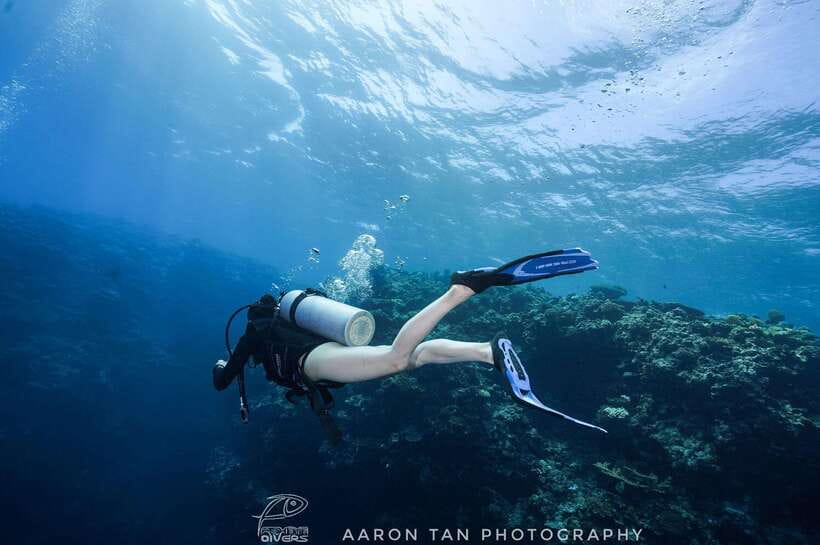
Fisheye Divers Discover Scuba Diving is interesting because you get the full on-ramp to scuba in a short, well-run morning or afternoon, then you actually go see marine life right away. I love the structured PADI DSD flow and the way safety training is taken seriously, even for true beginners like me. One thing to consider: you are in the water briefly, so it is not a long, deep expedition.
You practice basics first, then you get guided reef time with an instructor who keeps things calm and clear. In one standout experience, instructor Butch was praised for being pedagogical and reassuring, and that matters here because you need to learn buoyancy and breathing control fast. If you want more than a taste, you might prefer a longer open-water dive later.
Key Highlights I’d Aim For
- PADI 5 Star Discover Scuba Diving (DSD) format, combining classroom intro, skills practice, and a guided reef visit
- Confined water training for buoyancy, breathing, ear equalization, regulator recovery, and mask cleaning
- About 45 minutes underwater on the reef portion, plus a photographer capturing photos and video
- Safety-first coaching, with English, Chinese, and Japanese support and clear instruction
- Boracay boat ride timing built into the 3-hour slot, with scenic sightseeing on the way
Why This Boracay Discover Scuba Session Works for First-Timers
If you have ever looked at underwater photos and thought, I want that, but I do not want to feel lost, this is a smart starting point. Discover Scuba Diving is designed for people with zero experience. You learn how scuba equipment works while you are still in safe, controlled conditions, then you step into open water with an instructor watching closely.
What I like most is the balance. It is not just a quick snorkeling-like splash. You get hands-on training on the core skills you actually need: how to control your breathing, how to equalize your ears, and how to manage your gear if something feels off. That safety focus helps your confidence, and confidence is half the fun.
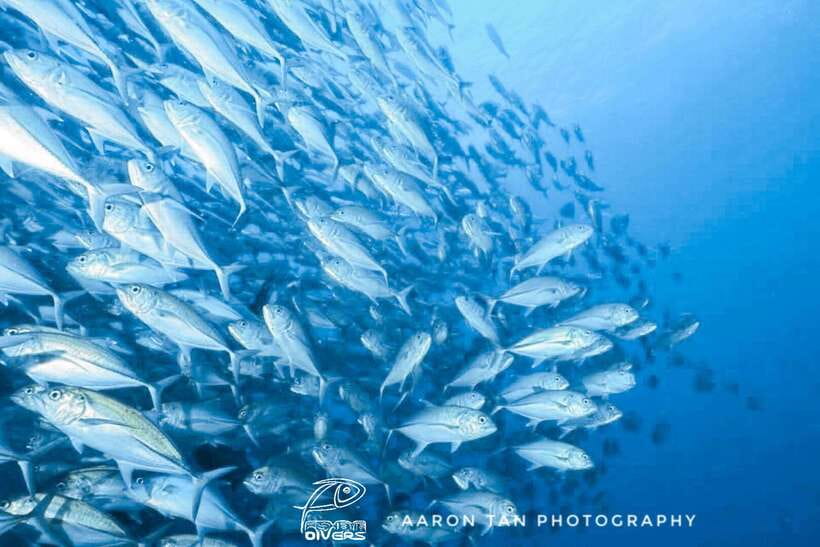
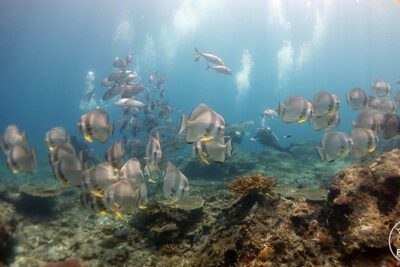
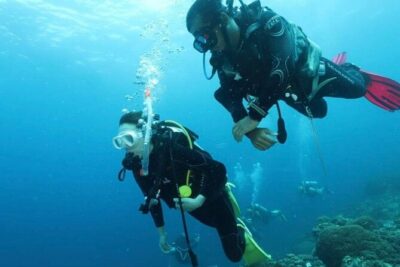
The second big win is that the reef time is real. You do not spend your whole session in a classroom or just testing equipment for a few minutes. After skills practice, you sail out and you go explore a coral garden, staying underwater for around 45 minutes.
More Scuba Diving in Boracay
- Boracay: Helmet Diving Experience with Photos and Videos
★ 4.7 · 155 reviews - WaterColors – Discover Scuba Diving in Boracay
★ 5.0 · 127 reviews - Boracay: Introduction to Scuba Diving Experience
★ 4.8 · 104 reviews
The 3-Hour Structure: From Pickup to Reef Time
Your day is built around a tight timeline, which is great if you are short on vacation time. Sessions run at 9:00am, 11:00am, 1:00pm, and 3:00pm, so you can match it to your other Boracay plans.
Pickup is part of the deal for first-time guests, with options at Station 1, Station 2, and Station 3. That matters because timing is everything with water activities. You spend less time coordinating transport, and more time getting to the briefing and gearing up.
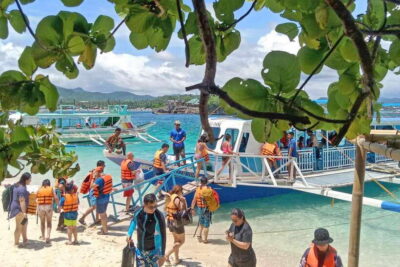
Once you are picked up, the schedule keeps moving. You start with documents and a briefing, then you transition to shallow water skills training. After that, you go out by boat to the reef site.
Boracay also gets a bit of love here. There is sightseeing and scenic views on the way, so even if you are mostly focused on scuba, you are not just sitting in traffic until the water.
Before You Go In: Briefing, Documents, and Getting Your Bearings
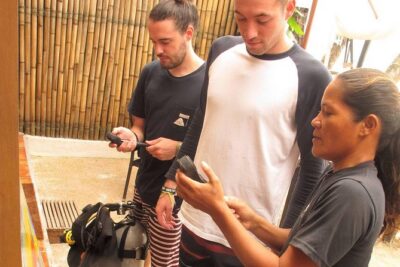
Before you touch the equipment, you go through the usual intro sequence. You complete documents, then you get a classroom briefing that introduces diving basics. This is where you learn what you will do later, and it sets expectations for the confined water part.
The value of this step is simple. If you know what you are about to practice, you can focus on skills instead of panic. In at least one real-world experience, the instructor was praised for being clear and answering questions, and that communication support helped a beginner feel comfortable. The lesson for you: show up ready to ask. If you have worries about breathing, ears, or gear, say so early. It is easier to learn once the instructor has your attention.
Language support is available through English, Chinese, and Japanese, which is helpful if you want instructions you can follow without guessing.
Confined Water Skills: What You Learn in Shallow Practice
This is the heart of the Discover Scuba experience. The shallow water training is where you build the muscle memory that makes the open-water part feel manageable.
You will practice how to use your equipment and, more importantly, how to stay calm while you use it. Here are the specific skills included in the training:
- Buoyancy control, so you can hover and avoid flailing
- Breathing method, so you do not panic breathe and waste air
- Ear equalization, which helps you deal with pressure changes
- Regulator cleaning and recovery, so you understand what to do if water gets in or gear feels wrong
- Mask cleaning, which teaches you how to reset if your mask gets filled
- Underwater swimming with gear, so movement feels normal instead of awkward
This is not glamorous training. But it is exactly why the experience feels safe and beginner-friendly. When people struggle in scuba, it is usually not because they cannot see fish. It is because they lose control of basic systems while they are trying to look cool underwater.
So if you want a smooth first dive, take the confined practice seriously. It is the difference between feeling like you are learning scuba and feeling like you are being dragged around.
Something else entirely, still out of Boracay:
- Boracay: Island and Beach-Hopping Boat Tour with Snorkeling
★ 4.3 · 587 reviews - Boracay: Sunset Cruise with Water Activities
★ 4.7 · 276 reviews - Boracay: Island Boat Tour with Crystal Cove Entry
★ 4.2 · 151 reviews - Caticlan Airport Transportation to Boracay Island Round Trip
★ 5.0 · 122 reviews
The Reef Part: 45 Minutes at the Coral Garden
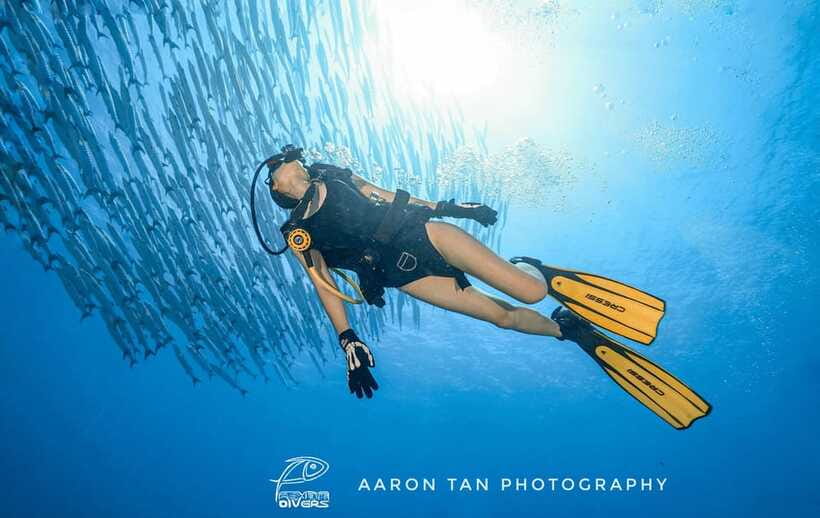
After you finish shallow skills, you head out by boat. This is where you shift from practice mode into exploration mode.
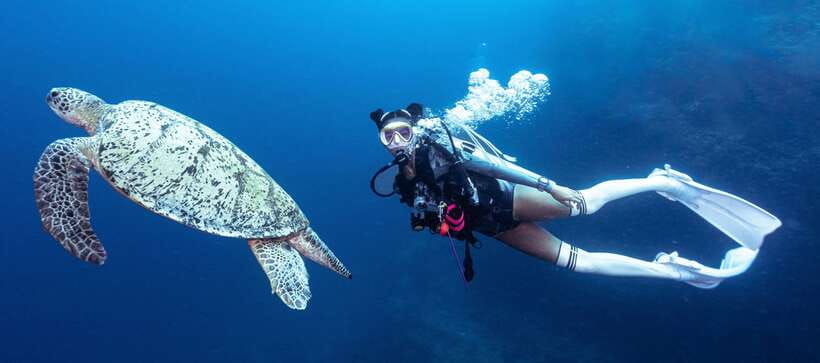
On the reef portion, you go guided, and the goal is to show you the marine life and coral while keeping you supported. You can expect to stay underwater for around 45 minutes, which is a good balance for a first-timer. Long underwater time sounds tempting, but for beginners, it is better to have enough time to enjoy the reef while keeping the session pressure-free.
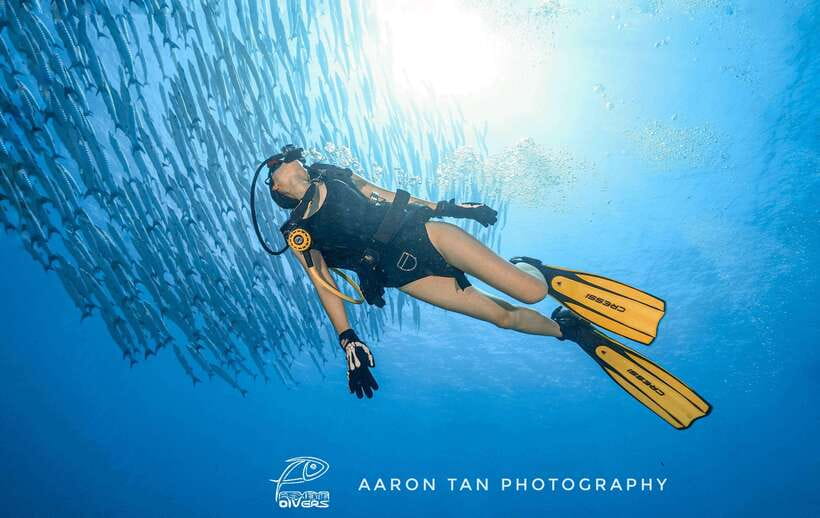
You will also have a photographer working during the dive. That means you do not have to worry about remembering your GoPro setup. You can spend your brain power on breathing, buoyancy, and looking around. After the dive, you get photos and videos of your experience.
What you should plan for mentally: in your first open-water session, your focus will naturally split. You will want to see coral, but you also need to maintain the skills you practiced. The instructors are there to guide you, and the session is designed so you can do both.
If you love reefs and want to see real scuba visuals without a huge learning curve, this is the sweet spot.
What You Get Back On Land: Hot and Cold Shower, Snacks, and Gear Done
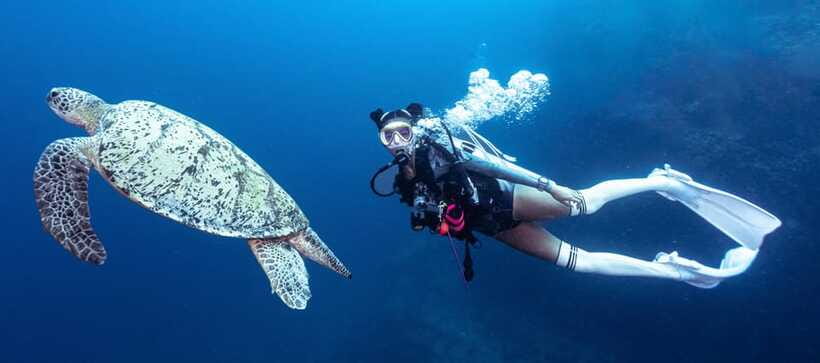
Once your underwater time is finished, you get back to the practical part of travel comfort.
Included in the experience:
- Light snacks and drinks during the downtime
- Hot and cold shower after the dive
- A dry towel so you are not freezing on the walk back
- Photos and video from the dive
This is not a small detail. In Boracay, humidity can be a lot, and saltwater hair can turn into a whole problem fast. The fact that you get shower access and a towel means you can keep your afternoon plans instead of heading back feeling gross.
Since breakfast and lunch are not included, plan around your meal schedule. If you are doing the morning session, eat before you go. If you do the midday or afternoon slot, you will want something in your stomach beforehand too.
Safety, Time, and the Non-Fly Rule You Should Respect
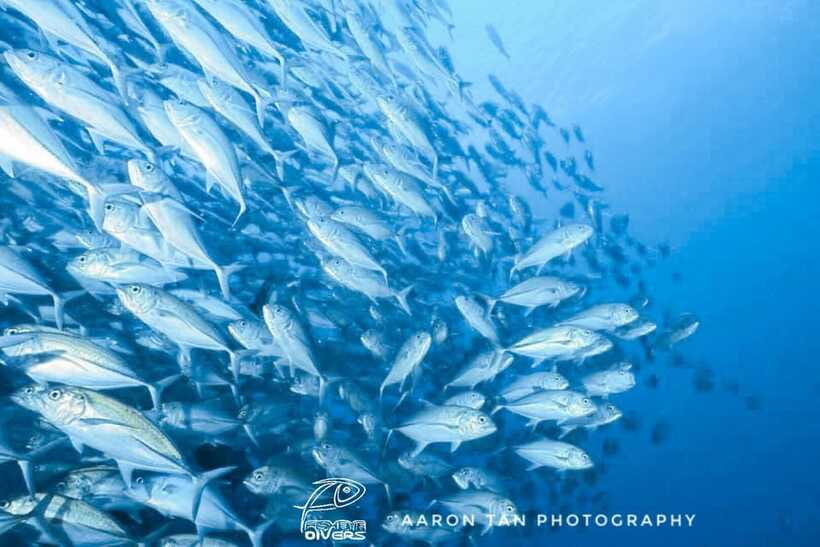
Scuba has rules, and this experience is clear about safety being a top priority. You get an instructor-led briefing and in-water skills training before you go open-water. That is what you want for a first scuba day.
One important note for your schedule is the 12 hours non-fly time after the dive. This is not a travel convenience issue. It is tied to how scuba affects your body and how air pressure changes afterward. Plan your flights carefully. If you are connecting out the next day, build in time.
Also keep the session realistic. You are learning and exploring at the same time. If you start off tense, it can take a little longer to settle your breathing and buoyancy. The good news is that the training is built for first-timers, and in real experiences, clear instruction and reassurance were called out as major positives.
Price and Value: Is $126 a Good Deal?
At $126 per person for a 3-hour experience, you are paying for more than just a boat ride and a photo. The value is in the bundle.
Here is what your price covers:
- A certified dive instructor leading training
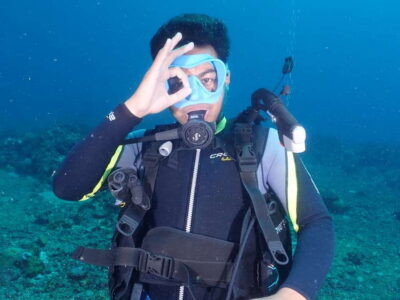
- All scuba equipment provided: mask, fins, wetsuit, BCD, regulator, and tank
- In-water skills training and a safety briefing
- A guided open-water dive at a coral reef
- Photos and videos taken during the dive
- Snacks and refreshments
- Hot and cold shower and a dry towel
- Free pick-up for guests in the Station 1 to 3 zones
When you look at it this way, the cost starts to make sense, especially if you factor in equipment rental, instruction time, and the photo/video service. If you tried to do this DIY, you would spend money anyway on gear and guidance, and you would still need someone to teach you ear equalization and buoyancy control safely.
One practical way to judge value: ask yourself whether you want the coaching and structured beginner training. If you do, you are not paying for guesswork.
In one experience, the price was described as a bit higher, but justified by quality. I agree with that logic when the instruction is actually solid and the session feels organized.
Who Should Book, and Who Should Skip
This Discover Scuba experience is built for beginners, but it is not for everyone.
Not suitable for:
- Children under 9 years
- Pregnant women
- Babies under 1 year
If you fit into those categories, do not try to force it. The training demands focus, and the safety screening is part of how these trips stay responsible.
Who it suits best:
- First-timers who want a real scuba introduction without committing to an advanced course right away
- People who care about safety and want step-by-step skills training
- Anyone who wants coral-reef views with a guided instructor and photo/video after
If your main goal is a long, advanced dive with lots of time underwater, this will feel short. But if your goal is to try scuba the right way, this is a smart first step.
The Booking Thing: Pay Attention to Terms
You may see flexible options such as reserve now and pay later in the experience info. At the same time, the operator’s details include a strict no-cancellation and no-refund note, with refunds only if the dive is canceled by the company due to bad weather or safety concerns.
Because the details conflict in the provided info, the practical move is simple: confirm the exact terms at booking before you commit your plans and flight timing.
Should You Book Fisheye Divers Discover Scuba Diving?
I’d book it if you want a first scuba try that is structured, taught, and guided, with coral reef time and clear instruction. The highlights that matter most for first-timers are the confined water skills and the emphasis on safety, plus the fact that you get photos and video so you can actually remember the moment.
Skip it if you need a long underwater session, or if you fall into the stated non-suitable groups. And whatever you do, respect the 12 hours non-fly rule so your travel plans do not turn into a scramble.
If you go in with a calm attitude and a willingness to practice buoyancy and equalize your ears, you will leave knowing how scuba feels, not just what it looks like.
FAQ
Do I need prior scuba experience?
No prior experience is needed. The program is designed for first-timers, with a classroom briefing and confined water skills training before the guided reef time.
How long is the experience?
It lasts about 3 hours, including pickup, training, and the reef portion.
What time does it start, and is pickup included?
There are multiple start times: 9:00am, 11am, 1:00pm, and 3:00pm. Free pick up is offered for first-time guests from Station 1 to 3, depending on where you are staying.
How much time will I spend underwater?
You will stay underwater for around 45 minutes during the boat dive at the coral reef.
Will I get photos or video?
Yes. A photographer takes photos and videos during the dive, and you get that content as part of the experience.
What scuba gear is provided?
All scuba equipment is provided, including mask, fins, wetsuit, BCD, regulator, and tank.
Who is it not suitable for, and can I fly after?
It is not suitable for children under 9 years, pregnant women, and babies under 1 year. Also, you need to allow 12 hours with no flying after the dive.
Newest reviews around Boracay
- Soar & Explore: Boracay Parasailing + Island Hopping★ 5.0 · 3 reviews
- Private Boracay Helicopter Tour with Hotel Pick Up★ 4.5 · 3 reviews
- Boracay Paraw Sailing★ 5.0 · 3 reviews
- Boracay Buggy Car Adventure★ 2.5 · 3 reviews
- Boracay Parasailing Experience★ 5.0 · 5 reviews
- Boracay Cliff Jumping & Snorkeling Experience (Private)★ 5.0 · 5 reviews
- Boracay ATV Tour and Kawa Hot Bath★ 3.0 · 5 reviews
- Boracay Zipline Adventure and ATV Tour★ 3.5 · 8 reviews
Scuba Diving, compared.
Helmet Diving Experience with Photos and Videos
Read our review →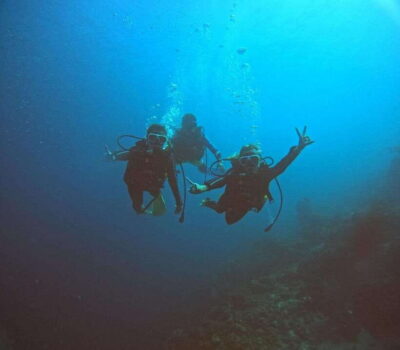
Island Hopping with Crystal Kayak & Helmet Diving
Read our review →
Discover Scuba Diving with Manta Rays in Sibaltan
Read our review →Browse the lists this tour appears in