
Reviewed · THE PHILIPPINES
WaterColors – Open Water Diver Certification in Boracay
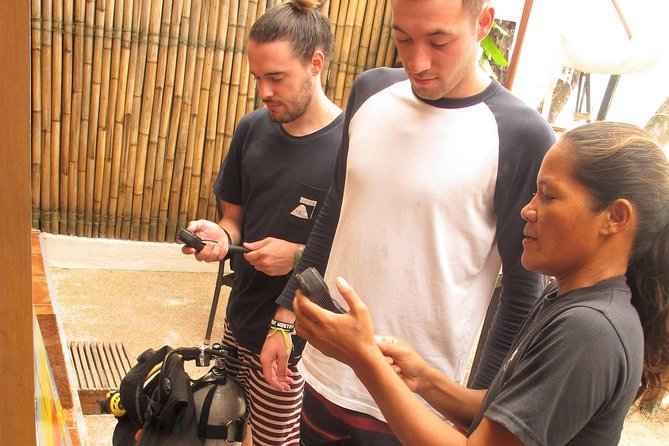
This is a smart choice if you want PADI Open Water certification and you like the idea of structured coaching, not guesswork. You start with theory, then you build skills in shallow water before heading out on a boat for your required open-water sessions around Boracay. Seeing it laid out day by day makes the whole thing feel doable.
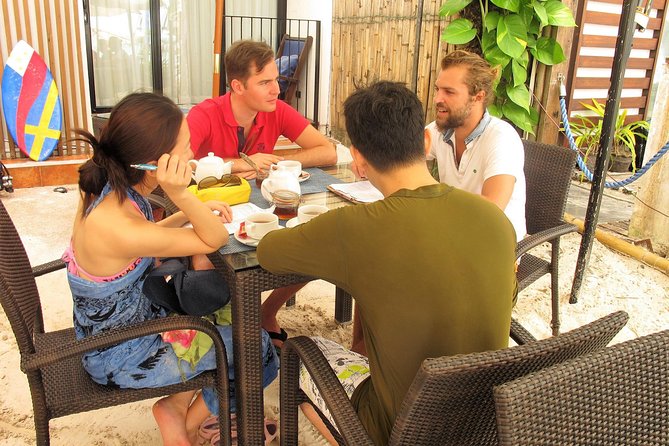
What I like most is the full instructor support from a PADI-qualified teacher, plus the fact that the course runs in a small group (max 15). That matters when you are still learning buoyancy, control, and basic procedures. One thing to consider: you are juggling a pretty packed schedule, including several theory blocks and skill check-ins, and you will be asked for key details like height and weight upfront.
If you want a clear plan for what each day feels like, and what you get for the $545 per person price, read on.
Key things to know before you start
- Small group size (max 15), which usually means more instructor attention when you need it
- Confined-water training first, so you get comfortable with skills before you go farther out
- Boat transport to and from the scuba sites, not a “figure it out yourself” setup
- PADI materials plus certification processing included, so paperwork is handled through the course flow
- Time for logging and theory built into the schedule, not dumped on you at the end
- Instructors get named a lot in the center’s feedback, with Jimmy and Darwin showing up as especially helpful and patient
WaterColors in Boracay: a practical way to earn your PADI open-water certification
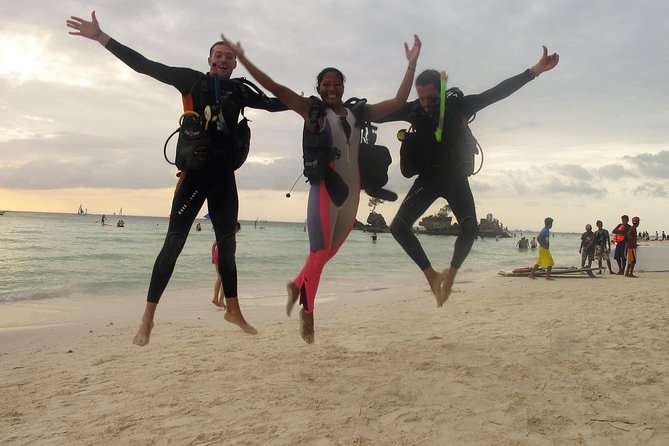
Boracay is known for good scuba conditions, but you only see the best parts of the area once you are certified. This course is built to get you there step by step, with the PADI structure doing the heavy lifting. That means you do not just “try a few things and see what happens.” You work through the defined learning sequence, with checks along the way.
I also like that the location plan is simple. You meet at WaterColors Boracay Dive Resort on Boracay Highway Central in Station 1, Balabag. The meeting point is described as beachfront near Willy’s Rock and right near the roadside next to Balabag Plaza. If you are staying in Station 1 or moving around by foot, this kind of central location can save you time and stress.
The biggest value for me is the way the course is paced. Day 1 is not just a sampler. It mixes paperwork and theory with skill practice right away, then you go to open water when you are ready. That sequencing is good for confidence, because your “first time” is not thrown into deep water without the setup.
Other days out of Panay Island people pair this with:
- Boracay Sunset Cruise with Party DJ & Unlimited Food and Drinks
★ 5.0 · 211 reviews - 4 Hour Private Boracay Island Hopping Tour
★ 5.0 · 167 reviews - Private Boracay Parasailing Adventure
★ 5.0 · 26 reviews
Price and what $545 really covers in real life
At $545 per person for about 4 days, you are paying for more than lessons. The price includes a PADI instructor, PADI course materials and certification processing, scuba equipment use, and boat transport to and from the scuba sites.
Here is what that means for your wallet when you compare it to DIY options:
- You do not have to rent gear on your own or coordinate boat logistics for training days.
- You get the PADI course workflow, including required knowledge review, theory blocks, and the final exam process for certification.
- You get instructor guidance for the skills you need to perform, not just the “watch and hope you remember” approach.
What is not included is also worth planning for. Food and drinks are not included unless specified. Hotel transfers are not included, and towels are not included either. Also, souvenir photos are available to purchase, but you should assume those cost extra.
My practical take: if you are already in Boracay and you would rather not spend extra time arranging equipment and transport, the $545 can feel more like a convenience fee wrapped inside a real course.
Day 1: registration, theory, and building confidence in shallow water
Day 1 starts with registration and documentation at 10:00 AM. That early slot is useful because it means the rest of your day is not rushed. You then move into Dive Theory at 11:00 AM, which includes briefing, video, reading, knowledge reviews, quizzes, logging, and a debriefing. The key point is that theory is not treated as homework you complete alone. It is coached and checked.
At 12:00 NN, you take a lunch break. This is more important than it sounds, because your brain is busy during theory, and fatigue makes later skills harder.
By 1:00 PM, you shift into confined-water training. The instructor takes you to the beach for shallow practice, then gradually to deeper water where you cannot stand up. This progression is exactly what you want for learning buoyancy and basic control without panicking. Instead of jumping straight to a “hard mode,” you earn comfort in steps.
Then comes the “real deal” moment of Day 1. At 3:00 PM, you do your first open-water session on a boat, at a suitable depth required by the course. The schedule is designed so you have at least one significant outdoor check before the end of the day.
You finish Day 1 around 4:30 PM with logging your training sessions and theory. I like this structure because it gives you a chance to remember what you did while it is fresh, and it helps you spot what you need to fix early.
Day 2: more skill work, a second open-water check, and a steady rhythm
Day 2 is all about momentum. You start at 8:00 AM with more confined-water training. That tells me WaterColors is prioritizing repeat practice, not just “one-and-done.” You want to reinforce the skills until they start feeling normal.
At 9:00 AM, you have Open Water Dive 2 on a boat. In plain terms, it is your second chance to prove you can apply the basics outside the quiet shallows.
Then at 11:00 AM, you have another theory block. There is a lunch break at 12:00 NN, and then at 1:30 PM you return to confined-water training again. At 3:00 PM, you do Open Water Dive 3.
The day ends at 4:00 PM with logging and theory. This pattern matters for two reasons:
- You get repeated practice in shallow water, so corrections actually happen before the next open-water session.
- You are not left wondering what went wrong until Day 4.
From the center’s feedback, instructors like Jimmy and Darwin get praised for calm explanations and patience. That kind of temperament is a big deal on Day 2, because you are often past the “first-timers are nervous” stage and moving into real skill repetition.
Something else entirely, still out of Panay Island:
- Discover Scuba Diving in Boracay with U/W Photo and Video
★ 5.0 · 14 reviews - WaterColors – PADI Scuba Diver Certification in Boracay
★ 5.0 · 12 reviews - BORACAY ISLAND HOPPING TOUR with LUNCH
★ 3.0 · 10 reviews - Boracay Island Hopping + Hot Kawa + Parasailing + Helmet Diving
★ 3.0 · 10 reviews
Day 3: theory refresh, another confined-water block, then your 4th open-water session
Day 3 begins with 8:00 AM theory. That suggests the course is checking your understanding and keeping you aligned with the next skill steps.
At 10:00 AM, you return to confined-water training. This is a useful reset after an earlier open-water day. If you had any trouble controlling breathing, buoyancy, or timing, this block is where you get to smooth those edges.
At 1:00 PM, you head out for Open Water Dive 4. You then spend 2:00 PM with more logging, theory, or catch-up work if anything was not fully completed.
That catch-up flexibility is underrated. Real life happens: seas can get choppy, someone can need an extra minute to master a specific skill, or you might move slower than planned. The course has built-in time to finish what you need for certification rather than forcing everything into a rigid schedule.
Day 4: catch-up time, final exam, and your certification paperwork
Day 4 runs from 8:00 AM to 5:00 PM, and that length is a good sign. It means the course is not pretending everyone will move at the exact same speed. You use the morning and afternoon for catch-up on skills, sessions, and theory that were not fulfilled earlier.
At some point during the day you complete the final exam, and you then handle paper work for certification, followed by the course wrap-up and celebration.
This day is also where your time management outside the course matters. If you have travel plans that require tight timing, keep your day flexible. You do not want a flight pushing on the hours you might need for final paperwork and testing.
What the instructor setup means for your safety and confidence
This course is built around a PADI-qualified instructor guiding the whole process. That matters because you are learning more than scuba basics. You are learning procedures, control, and how to respond when conditions change.
Also, the course is small, with a maximum of 15 travelers. Small group learning tends to reduce the “wait time” between you and feedback. It also helps the instructor spot issues early, instead of only noticing them when you are already halfway through an open-water session.
From the feedback style shown by the center, instructors are described as relaxed, patient, and focused on making you feel safe underwater. Names come up a lot, with Jimmy credited for supportive teaching, and Darwin credited for clear instruction and patience, especially for someone returning after eight years away from the water.
If you are newer, that teaching style can shorten the time it takes to get comfortable. If you are returning after a break, it can help you rebuild confidence without shame. And if you are the kind of person who worries you are doing everything wrong, calm instruction is not just nice. It is practical.
Where the course happens: meeting point, equipment, and boat logistics
You meet at the WaterColors Boracay Dive Resort location by Willy’s Rock in Station 1. The activity ends back at the meeting point, so you are not sent to a different part of the island at the finish.
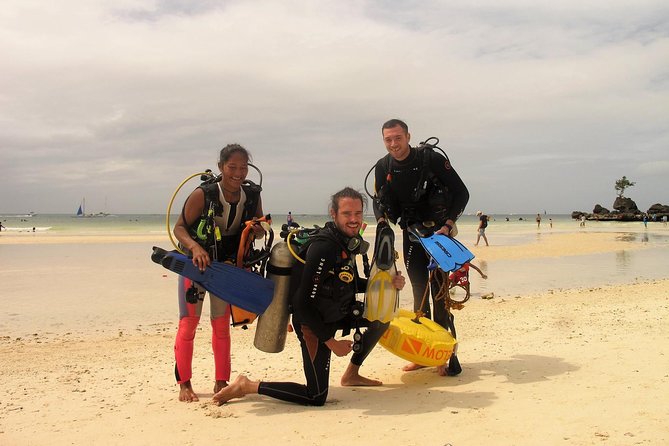
The course includes use of scuba equipment, so you only need to show up ready to learn and physically prepared. You also get transport by boat to and from the scuba site. That is a real convenience because boat timing can be tricky, and training days depend on getting to the water at the right time.
A practical note: the schedule includes both beach-based confined-water training and boat-based open-water sessions. That usually means you will spend time in wet gear. The listing notes that towels are not included, so if you like to be prepared, bring your own small towel.
Who should take this course, and who should think twice
This is a good fit if:
- You want a structured path to PADI open-water certification rather than one-off intro experiences.
- You prefer an instructor-led approach with theory, quizzes, and skill progression.
- You like the idea of practicing in shallows before the open sea sessions.
It is also suitable for many people, with most travelers able to participate and a minimum age of 10 years.
Think twice or plan carefully if:
- Your schedule is tight and you cannot spare the full 8 AM to 5 PM time window on Day 4.
- You are uncomfortable with a course that includes multiple theory and log activities, not just water time.
- You have health constraints that might require medical clearance.
Before you book, take the medical steps seriously. You are required to complete and sign the PADI diver medical form (with the provided link) and complete a health questionnaire before diving. The course also advises that if you need special medical certification, you should follow the provided physician screening guidance.
Also note the requirement to share your height and weight at booking. That is usually tied to equipment setup and fit.
Booking timing, group size, and what “small group” looks like in practice
On average, this experience is booked 107 days in advance, which tells me demand is high enough that planning early can help you get the dates you want.
The group limit of 15 travelers is the key practical detail. It suggests you are not being processed like a ticket number. Still, you should expect the course to move as a group. If you have a strong need for total flexibility, consider bringing buffer time into your Boracay schedule.
One more practical consideration: the course states it requires good weather. If poor weather cancels it, you get offered a different date or a full refund. That is normal for open-water learning, but it is worth having a flexible plan in Boracay in case your first choice date gets bumped.
Should you book WaterColors for PADI Open Water in Boracay?
I would book this if you want a step-by-step, instructor-led certification path in Boracay, with theory and skill practice baked into the schedule, and equipment plus boat transport handled. The structure across four days, ending with a final exam and certification paperwork, feels built for people who want a clear outcome.
It is especially worth it if you value patience and calm coaching, since instructors like Jimmy and Darwin show up repeatedly in feedback for being supportive, clear, and focused on safety.
Skip or reconsider if you cannot handle a packed day, especially Day 4’s full-day catch-up and exam window. Also, make sure you complete the required medical form and health questionnaire early, because that is part of being ready to participate.
If you are in Boracay already and you want your certification done the right way, this is one of the simpler ways to make it happen.
FAQ
What is included in the WaterColors WaterColors PADI open-water course?
The course includes a PADI scuba instructor, PADI course materials and certification processing, use of scuba equipment, and transport by boat to and from the scuba site.
What is not included in the price?
Food and drinks are not included unless specified, as well as souvenir photos, hotel transfers, and towels.
How long is the course?
The duration is listed as 4 days (approximately).
Where do I meet the group?
You meet at WaterColors Boracay Dive Resort at Boracay Highway Central, White Beach, Station 1, Balabag Plaza, beachfront near Willy’s Rock.
What ages can participate?
The minimum age is 10 years.
Do I need to complete any medical paperwork?
Yes. You must complete and sign the required PADI Diver Medical Form and complete a health questionnaire before diving, then bring the printed form.
Is the course offered year-round?
The meeting point opening hours are listed as 8:00 AM to 8:00 PM, Monday to Sunday within the listed date range. The activity may still depend on good weather.
Is cancellation possible if weather changes?
Yes. You can cancel up to 24 hours in advance for a full refund. If the experience is canceled due to poor weather, you will be offered a different date or a full refund.
Newest reviews around Panay Island
- WaterColors – Kids’ Discover Scuba Diving in Boracay for 10 years old and up★ 4.0 · 3 reviews
- Mandala Wellness Spa in Boracay★ 4.0 · 5 reviews
- DiveGurus -Scuba Diving for Kids(Ages 6-11yrs)★ 5.0 · 5 reviews
- Boracay Half Day Land Tour with Puka Beach★ 3.0 · 6 reviews
- Mainland ZipLine Experience in Boracay★ 5.0 · 8 reviews
- Boracay PADI Discover Scuba Diving★ 5.0 · 9 reviews
- BORACAY ISLAND HOPPING TOUR with LUNCH★ 3.0 · 10 reviews
- Boracay Island Hopping + Hot Kawa + Parasailing + Helmet Diving★ 3.0 · 10 reviews