
Reviewed · MANILA TOURS
Revolutionary Tour of Manila
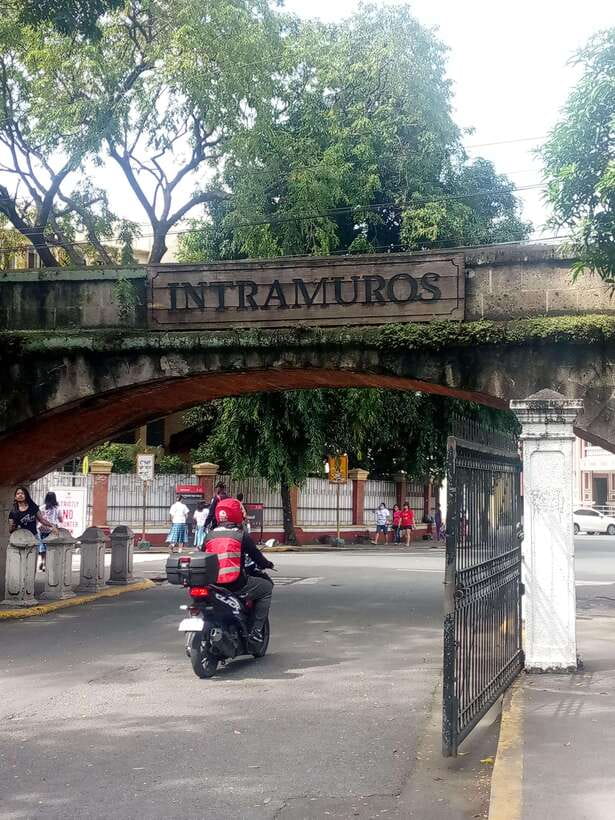
Intramuros is where Manila’s past stops being abstract and turns into walking distance, with Fort Santiago setting the tone and Intramuros itself acting like a giant classroom. I like that this tour doesn’t just rattle dates, it connects the rise of Manila to the real struggles behind independence, reform, and resistance. I also like that you get a guide who can explain both big political fights and the human scale of sacrifice.
One thing to consider: if services are going on at the churches, you might not be able to enter the way you expect, which can make the timing feel tighter.
Key Highlights Worth Marking in Your Mind
- Fort Santiago first, so the tour’s emotional center hits early, not at the end
- Jose Rizal’s last prison cell, plus the prison-chamber details that make history feel physical
- A trail of “unsung patriots”, from pre-Hispanic times through the Japanese occupation
- Manila Cathedral and a church vs. government power struggle, not just architecture talk
- General Luna Street stories tied to the Philippine-American War
- San Agustin Church resilience, through changing eras of rule and conflict
The Revolutionary Angle That Helps Intramuros Make Sense
If you’ve only heard simplified versions of Philippine history, this tour is built to correct that. It frames Manila not as a backdrop, but as a place shaped by struggle, negotiation, and conflict over centuries. You start in the thick of the story, where power was enforced, prisoners were held, and political ideas hardened into action.
I especially like how the tour traces the rise of Manila alongside the push for freedom, instead of treating “independence” like a single moment. You also get the perspective of unsung patriots, starting from pre-Hispanic times and moving through Spanish rule, American rule, and even the Japanese occupation. That arc is what makes the tour feel more complete than a basic sightseeing loop.
The practical upside is that you’ll know what you’re looking at. When you see Fort Santiago’s sites or step near key churches, you’ll understand why they mattered politically and emotionally. And yes, it’s intense at times, but it’s also clear and guide-led, not chaotic.
A few other Manila trips to line up
- Intramuros, Manila: Historical Bamboo Bike Tour
★ 4.8 · 583 reviews - Experience Intramuros with Bamboo Bicycle – Ecotours
★ 5.0 · 508 reviews - Manila: Intramuros, Chinatown, and Old Manila Half-Day Tour
★ 4.8 · 475 reviews
Fort Santiago Meets You at the Door: Where the Tour Starts
Your tour begins at Fort Santiago Gate, with the guide holding the tour poster. There are two starting location options listed for Fort Santiago at 18 Sta. Clara St, so aim to arrive a few minutes early and get your bearings fast.
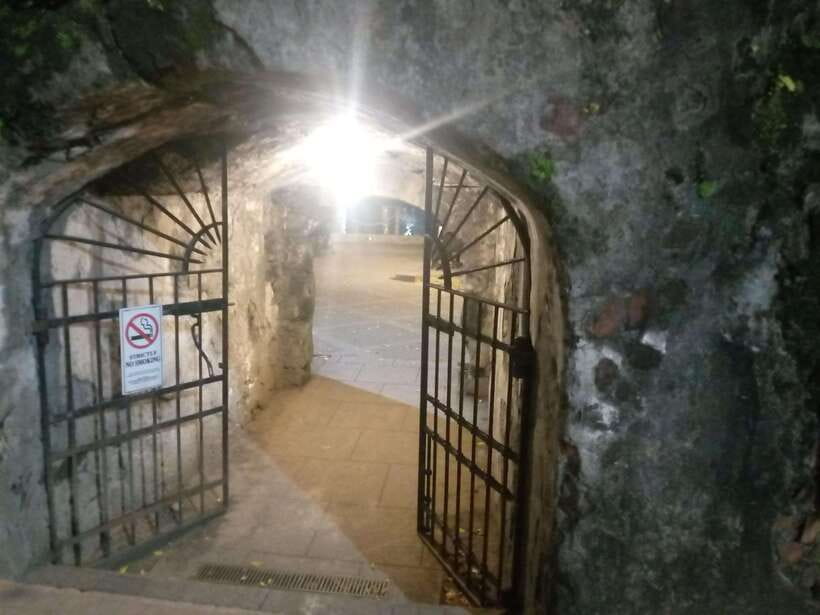
This start matters. Fort Santiago isn’t a random first stop. It is the place where imprisonment and punishment were tools of control, and it’s where the tour’s message turns sharp. You’ll get a guided visit for about an hour, which is enough time to learn key storylines without turning the experience into a blur.
Logistically, you also get skip-the-line access through a separate entrance. That’s a real value in Intramuros, where queues and crowding can eat your time. Since the tour lasts about 3 hours, those minutes matter.
If you’re with friends who like a long “big picture” intro, you might want to politely ask your guide for a quick overview at the start. One traveler found the kickoff could have been more general. You can fix that by asking early, before you get swept into the specific rooms and stories.
Inside Fort Santiago: Rizal’s Cell, Dungeons, and the Weight of POW History
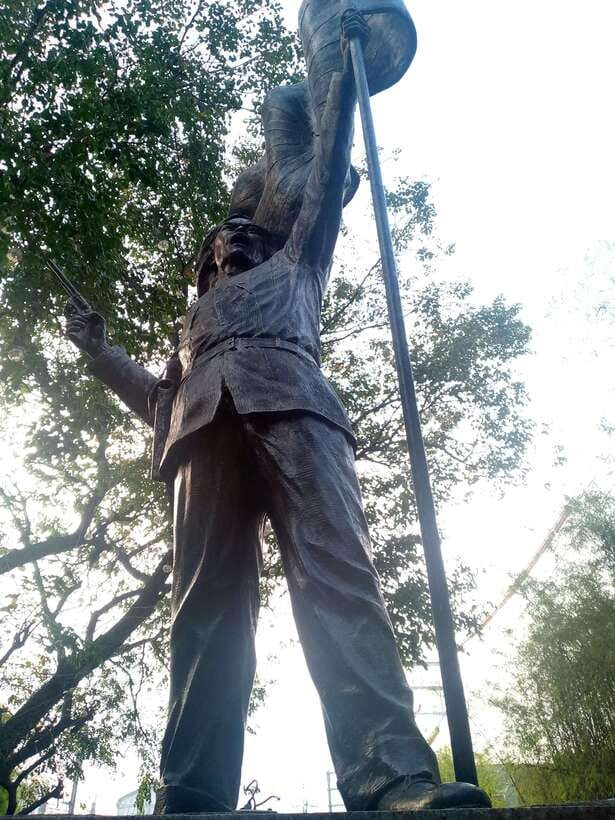
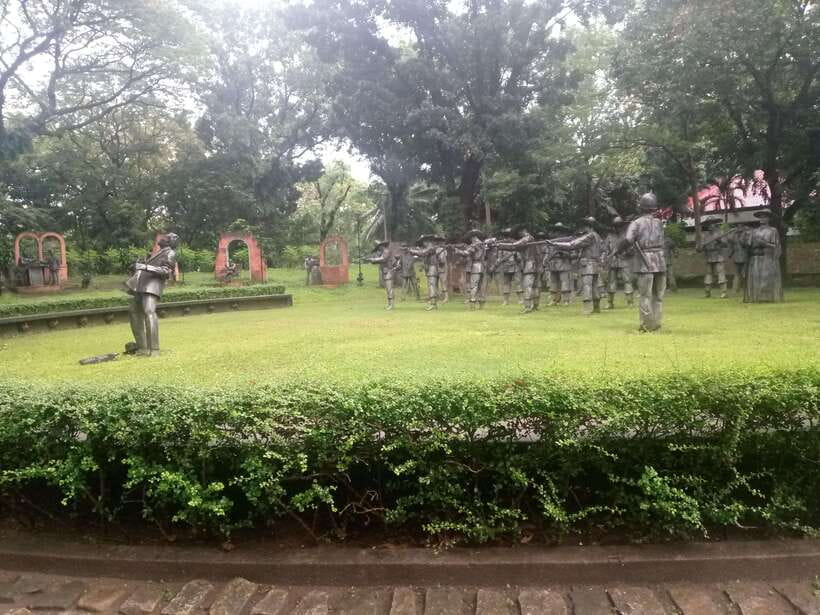
Fort Santiago is the highlight for a reason, and the tour doesn’t shy away from the darker parts. You’ll learn about the “unsung patriots” stretching back to pre-Hispanic eras and forward through major upheavals, then the story centers on the last prison cell where Dr. Jose Rizal was detained. That alone is worth the price of admission for history nerds and first-timers alike.
But the tour goes further into the prison’s physical reality. You’ll hear about the dungeons, including details about how the oxygen supply was thin in the chambers. Then you’ll walk through areas connected to the death of 600 Filipino and American civilian prisoners of war, and you’ll pay tribute at their mass grave.
This is where the tour becomes more than a facts-and-photos exercise. When you hear that the space you’re standing in held civilians, not just soldiers, the whole independence story gains moral weight. The guide’s job here is not just explanation, it’s context, so the tragedy fits into a larger pattern of control and resistance.
Practical tip: dress for the heat and for respect. Fort Santiago is not a place for flip-flops, and the rules also say no bare feet. Bring sunscreen or mosquito repellant, since the guidance specifically recommends both.
Manila Cathedral: When Religion and Politics Wrestle for Control
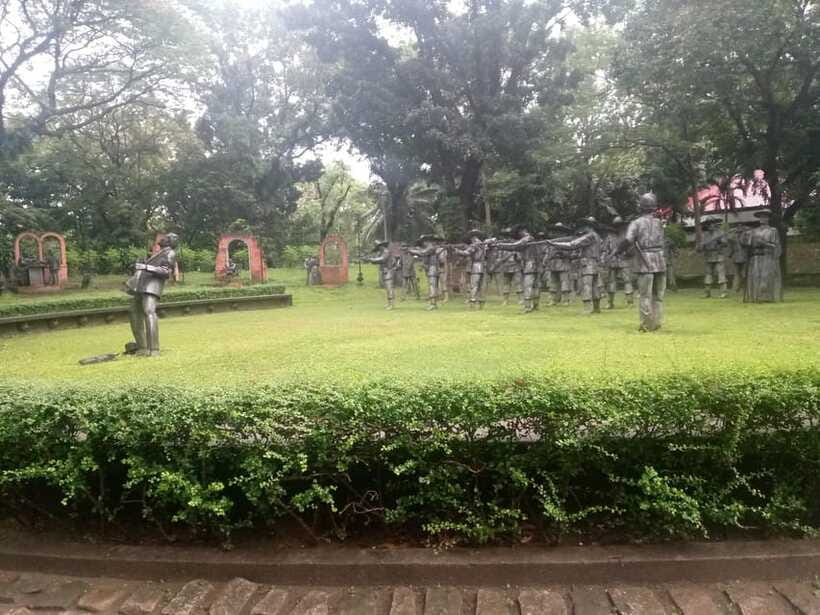
After Fort Santiago, you move to Manila Cathedral, where the focus shifts from imprisonment to influence. You’ll get a guided visit for about 30 minutes, and the tour highlights how the church and the government fought for power.
That angle is more interesting than it sounds. It helps you see how authority worked beyond armies and prisons. In many places, the church was not just spiritual leadership, it was part of public life and political legitimacy. Understanding that helps you connect colonial rule with everyday society.
One practical consideration: churches can have services. If services like Mass are happening, you may not be able to enter the way you planned. In that case, the tour might feel shorter on-site. If that happens, don’t panic. Ask the guide what you can still see and learn from the area you’re allowed to access, and let them guide you toward the parts you can still experience.
Something else entirely, still out of Manila:
- Manila: Old & New 4-Hour City Tour
★ 4.5 · 458 reviews - Manila Food Tour: Introduction to Philippine Street Food
★ 5.0 · 417 reviews - Spectacular Manila to Tagaytay: Full-Day Sightseeing Tour
★ 5.0 · 349 reviews - Discover Tagaytay’s Countryside: Half-Day Sightseeing Tour
★ 4.5 · 207 reviews
General Luna Street and the Philippine-American War Stories
Next comes a stroll along General Luna Street, where the tour slows down just enough to let stories land. You’ll hear tales of courage and sacrifice tied to the Philippine-American War, and it’s placed in the broader arc of struggling for independence from both Spanish and American rule.
This segment is valuable because it connects policy and conflict to human behavior. You’re not just learning who won battles. You’re learning how communities responded, how ideals turned into actions, and how daily life got pulled into larger power struggles.
Also, this is the moment where the tour feels like walking through a living city, not only touring monuments. Intramuros can feel like a museum zone, but street storytelling helps it feel more like a place where people once argued, suffered, and rebuilt.
If you’re the type who wants to take photos, this is a good place to do it, but keep your pace. Your guide is timing the group, and the overall tour is only about 3 hours.
San Agustin Church: Resilience Through Changing Eras
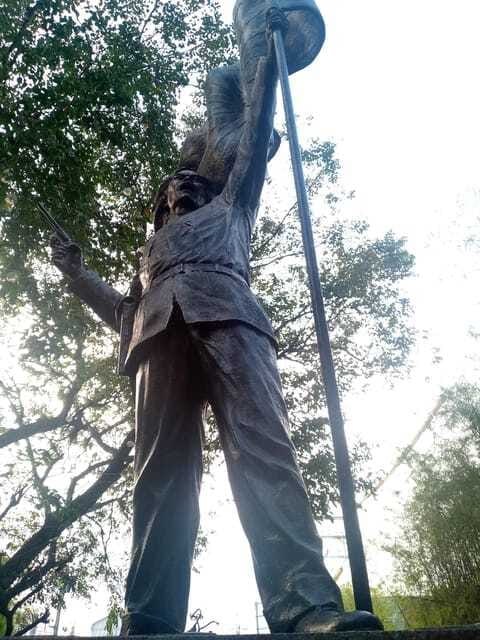
Then you head to San Agustin Church for another guided stop of about 30 minutes. The emphasis here is resilience, and that’s a good word for what you’re learning. The tour highlights how the church endured through different periods of history, meaning it survived political change, conflict, and the shifting pressures of colonial rule.
The best part of this stop is the combination of place and story. San Agustin Church isn’t just “pretty architecture.” The tour teaches you to recognize why it kept mattering, and how religious sites can become symbolic anchors when everything else is unstable.
Like Manila Cathedral, you may encounter service-related limitations. If you can’t get inside due to Mass, you can still get value from the guide’s explanation, but your experience may feel more externally focused. Plan your expectations around that, especially if you’re visiting during common service hours.
Calle Real and the Big Intramuros Contrast
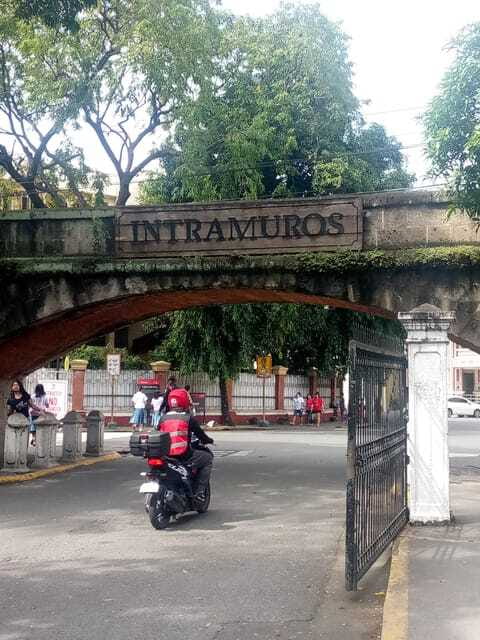
The tour ends with Calle Real, where you’re meant to see how Intramuros’ former downtown life has changed into something that feels like the opposite. This final segment matters because it gives the tour closure.
It’s one thing to learn what happened in the past. It’s another to stand in the present and notice how the city’s identity evolved. Calle Real is the payoff moment where the tour becomes memorable beyond the facts.
You’ll also benefit from having transportation included in the tour. That way you don’t spend your limited time zigzagging between sites on your own.
Price and Value: What You Get for About $60 in 3 Hours
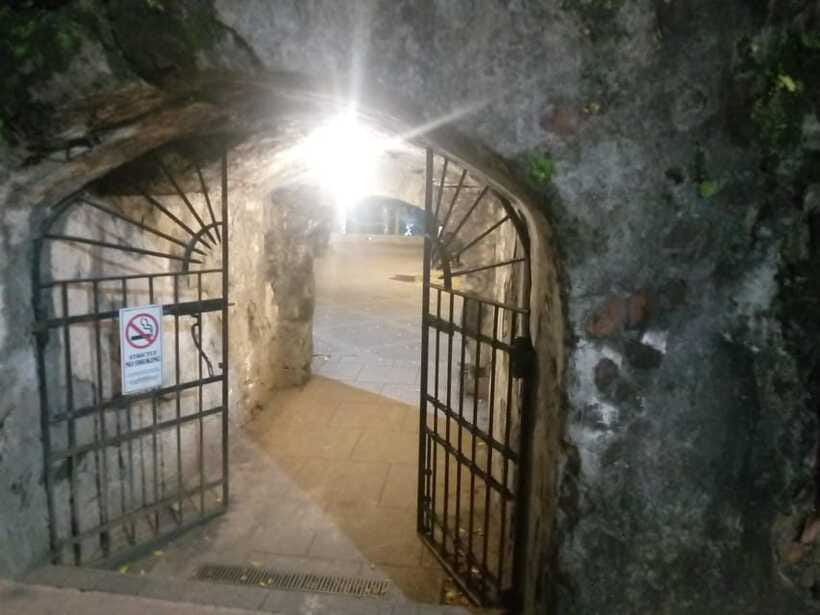
At $60 per person for about 3 hours, the value is decent, mainly because the tour packages the pieces that cost time and mental energy:
- a professional guide
- entrance fees
- transportation
- and skip-the-line access via a separate entrance
That combination matters. If you were to plan it alone, you’d likely spend extra time figuring out tickets, entry points, and the story context that makes each stop click. Here, you get the narrative built in.
Meals and drinks are not included, so budget for that separately. The good news is you’re not paying a tour price that pretends you’ll be fed, then leaving you hungry.
If you like structured history with a strong guide, this price makes sense. If you’re only looking for relaxed sightseeing, you might feel the pacing is a bit packed, especially at the two churches and the intense prison stop.
Who This Tour Fits Best in Your Trip
This is a great pick if you want a Manila history tour that doesn’t just cover colonial timelines, but explains struggle and influence, including the role of the church, political power, and resistance.
You’ll likely enjoy it most if you:
- like guided storytelling more than self-guided wandering
- want a clear route through Intramuros sites you’ll recognize (Fort Santiago, Manila Cathedral, San Agustin Church)
- appreciate context for Philippine independence and later conflicts, including the Philippine-American War
- are okay with heavier subject matter, like civilian POW deaths and mass graves
It’s also a solid option if you’re traveling with mixed interests in history. The cathedral and church stops give you visual and cultural points, while Fort Santiago gives you the emotional center.
The tour is listed as wheelchair accessible, and it does include transportation, which helps reduce fatigue in a place that can feel uneven on your own. Still, I’d make sure the guide knows your mobility needs at the start.
Tips to Make Your 3 Hours Work Smoothly
Intramuros can be hot, and the tour is focused. These small choices will help you get the most out of the time you have.
- Bring sunscreen or mosquito repellant, since those are specifically recommended.
- Wear comfortable shoes. Rules prohibit bare feet, and you’ll be walking through multiple historic zones.
- If you care about getting inside the churches, go in with flexible expectations. Service times can affect access.
- Ask your guide for the big picture early if you prefer a general introduction before the specifics.
- Keep an eye on the pace. The tour is only about 3 hours, so don’t plan to take 20-minute photo breaks at every doorway.
One more note from a highly positive experience: the guide can be excellent with languages. If you end up with Jerome, you’ll be in good hands, since he speaks English and German very well. The language match can make a big difference when the tour is describing complex history.
Should You Book This Revolutionary Tour of Manila?
If you want Intramuros with meaning, book it. This isn’t a “look at the walls” outing. It’s a guided story that links Manila’s rise to independence struggles, power fights, and the human cost of colonial rule, including the prison history tied to Dr. Jose Rizal.
I would not recommend it only if you’re looking for a light, casual walk, or if you strongly need guaranteed indoor access at the churches regardless of Mass schedules. Otherwise, the structure, the included entrance fees, the skip-the-line access, and the fact that you get a live guide make this a practical value for a short time in Manila.
FAQ
How long is the Revolutionary Tour of Manila?
The tour lasts 3 hours.
Where does the tour start?
The meeting point is Fort Santiago Gate, and the guide has the tour poster. Starting options include Fort Santiago at 18 Sta. Clara St.
What are the main stops on the tour?
You’ll visit Fort Santiago, Manila Cathedral, and San Agustin Church, plus you’ll stroll along General Luna Street and finish at Calle Real.
Is the tour guided?
Yes. It includes a live professional guide.
What is included in the price?
Included are the professional guide, entrance fee, and transportation.
What languages are available for the guide?
The live tour guide is available in English and German.
Is the tour wheelchair accessible?
Yes, the tour is listed as wheelchair accessible.
What should I avoid during the tour?
Alcohol and drugs are not allowed, and bare feet are not allowed.
Is food included?
No. Meals and drinks are not included.
Newest reviews around Manila
- TAGAYTAY DAY TOUR FROM MANILA★ 5.0 · 3 reviews
- 3 Days Private Tour in Banaue Ifugao visiting Batad Rice Terraces★ 3.5 · 3 reviews
- 4 Day Banaue Ifugao Rice Villages Private tour Trekking★ 4.5 · 3 reviews
- Bites and Sights: Tagaytay Food and Nature Excursion from Manila★ 4.0 · 3 reviews
- Embark on a 7-Day Banaue-Sagada Adventure of a Lifetime★ 5.0 · 3 reviews
- Philippines Intro 3 days 2 nights Tour Best of Manila and Beyond★ 5.0 · 3 reviews
- Tagaytay: Taal Volcano Tagaytay Private Tour w/Jeepney Ride★ 5.0 · 3 reviews
- Following the Footsteps of Anthony Bourdain★ 5.0 · 3 reviews
Manila Tours, compared.
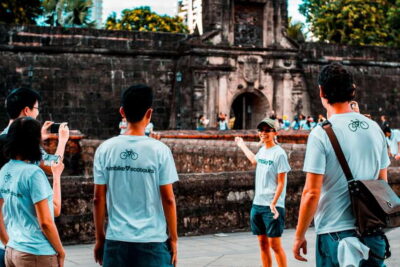
Intramuros, Manila: Historical Bamboo Bike Tour
Read our review →
Experience Intramuros with Bamboo Bicycle – Ecotours
Read our review →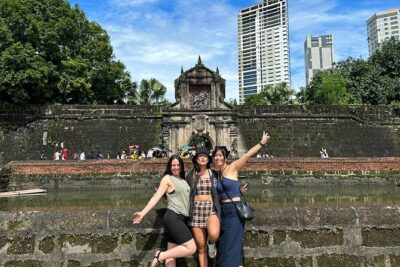
Intramuros, Chinatown, and Old Manila Half-Day Tour
Read our review →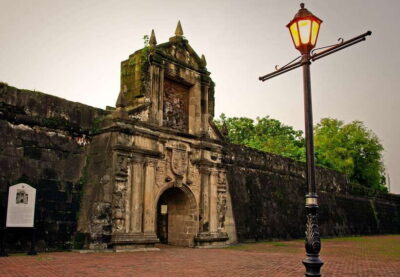

Manila Food Tour: Introduction to Philippine Street Food
Read our review →
Spectacular Manila to Tagaytay: Full-Day Sightseeing Tour
Read our review →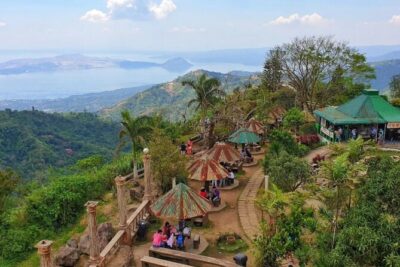
Discover Tagaytay’s Countryside: Half-Day Sightseeing Tour
Read our review →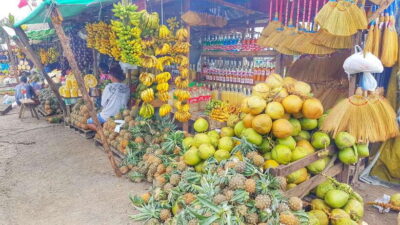
Browse the lists this tour appears in