
Reviewed · MARKETS
Explore Manila Slums and Hidden Market
Tondo is one of Manila’s oldest districts, and this tour is interesting because it shows you daily life at street level, not just postcard sights. I like how the route mixes local neighborhoods with working markets, so you actually see how people shop, live, and connect. I also like that it’s guided by people who know the streets by name, not by a generic route.
The big plus here is the human scale. Guides like Venus and Floyd are repeatedly praised for making the experience feel educational and respectful, with rides like the jeepney and tricycle adding real texture to the day. One drawback to consider: this is a slum and wet market area, so the sights, smells, and poverty can feel intense even though the tour is designed to be safe and welcoming.
Key highlights I’d plan around
- Small group size (up to 10) means you can ask questions and actually talk with your guide.
- English live guide helps you connect what you see to why it looks the way it does.
- Wet market + local residential streets give you a full picture of how daily routines work.
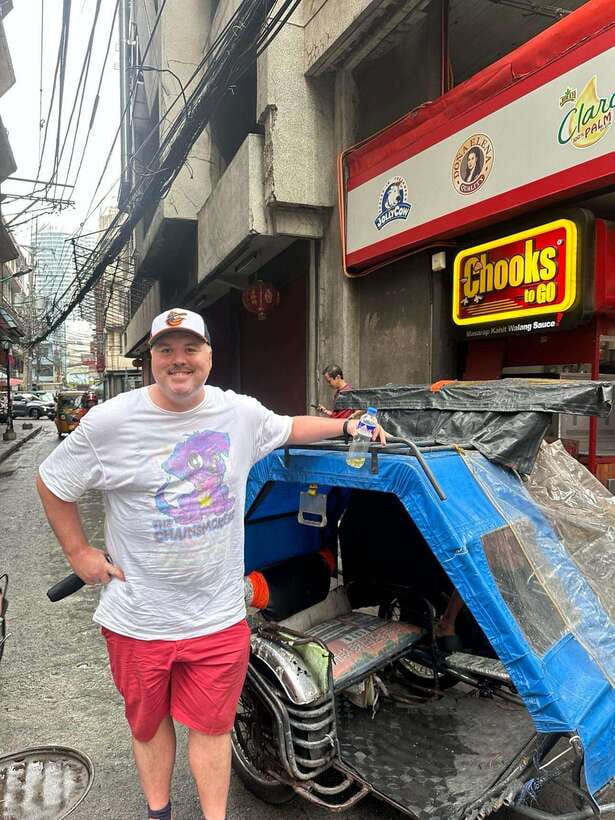
- Tricycle and jeepney rides are not just photo stops, they explain how Manila moves.
- Food stops and treats come up in guide stories, including things like bao and egg tarts.
- Old ManilA zones like Chinatown round out the contrast, from everyday life to historic trade areas.
Where this tour fits in your Manila trip
If your Manila plan is all big sights and long museum lists, this is a smart counterweight. It’s short, two hours, but it lands you in the real rhythm of the city: homes you can walk past, markets where people buy dinner ingredients, and public transport that is part of daily survival and daily joy.
Tondo can be misunderstood from afar. This tour is built to correct that. Instead of treating the area like a spectacle, the focus stays on community, problem-solving, and everyday hospitality. The guide is the difference-maker. With the right person leading, you get context for what you’re seeing and the confidence to ask questions without feeling like you’re intruding.
This tour also works well as an “adjustment day” experience. After you arrive, before you over-plan, or midway through your trip when you want something that feels personal and immediate. It’s also a good pairing with the rest of Manila, because Chinatown and historic markets are hard to “decode” without local help.
More Shopping Tours in Manila
- Manila: Guided Night Market Experience
★ 5.0 · 54 reviews - Manila’s Culinary Expedition: The Ultimate Food and Market Tour
★ 5.0 · 42 reviews - Manila Street food and Night Market Tour
★ 4.7 · 21 reviews
Starting point at Tutuban Center, and why it matters
You meet at Tutuban Center Mall near the Bonifacio Monument, close to the Lawson Convenience Store. That location is handy because it’s easy to find before you move into narrower streets where signage can get confusing fast.
I like meeting at a recognizable spot. It helps you arrive calmer and gives the group a quick moment to orient before stepping into tighter alleys. For a two-hour tour, that little setup time counts.
Walking Tondo with a local guide who knows the stories
The core of the experience is walking in Tondo, guided by someone who knows the neighborhood street by street. This is not a “look at the houses” tour. It’s a “why this place works this way” tour.
You can expect to spend time in a mix of:
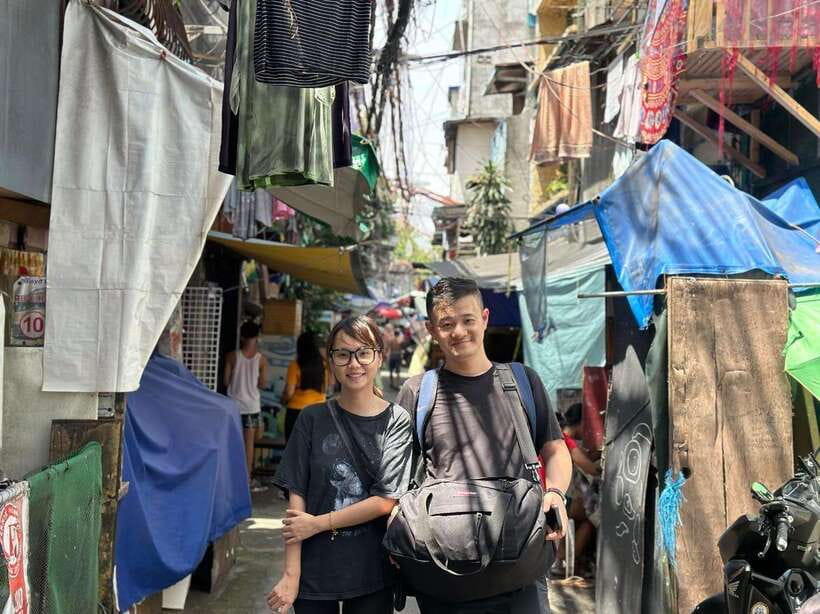
- Residential streets where you see daily life close up
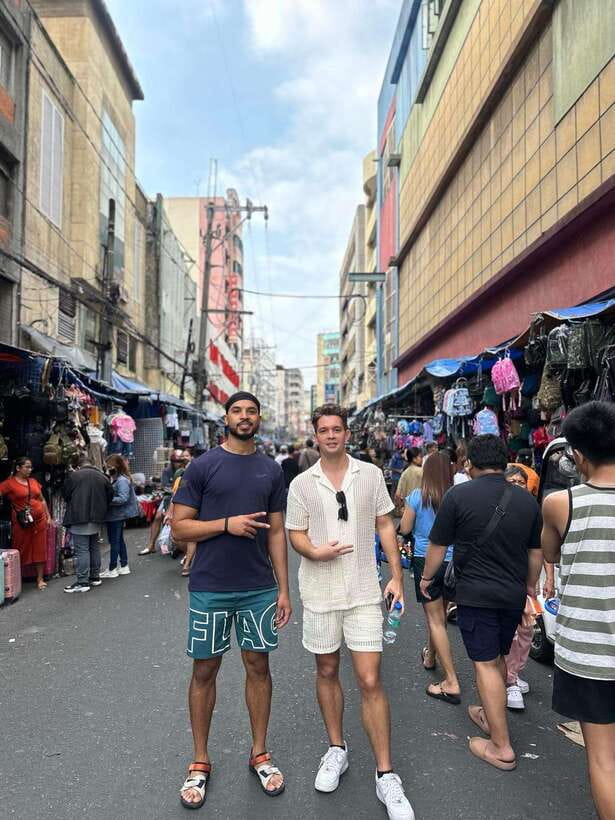
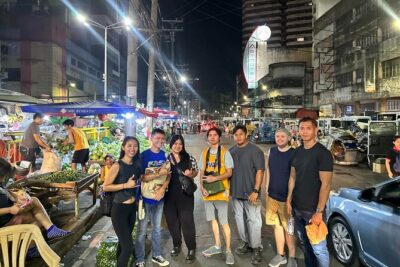
- Market areas where people run errands and choose ingredients
- Alleys and corners that feel like you’ve slowed down enough to understand the neighborhood scale
The most praised part across the guides is how they frame what you see. People mention guides sharing explanations about local life and the solutions residents develop to face everyday challenges. That matters because it turns “I saw something hard” into “I understand what I’m looking at.”
What to keep in mind while you walk
This isn’t a theme-park version of Manila. You’re moving through real areas where people are working, shopping, and living. If you go with a respectful attitude, you’ll get a lot out of it. Bring basic street sense: watch where you step on uneven pavement, keep your phone use thoughtful, and ask permission before photographing anyone if you’re unsure.
Safety is brought up often in the feedback, with guides praised for ensuring participants never felt unsafe. Still, slum tours should be approached with the same common-sense mindset you’d use anywhere crowded and local.
A few other Manila trips to line up
- Tagaytay Adventure: Volcano Views, Countryside, Market & Cruise!
★ 4.5 · 14 reviews - Manila Night Market with Local Guide
★ 4.7 · 12 reviews - Private Market Tour and Filipino Cooking Class in Manila with Isi
★ 4.5 · 15 reviews - Manila Night Market Experience with Local Guide
★ 5.0 · 10 reviews
Wet market stop: the sensory part of Manila
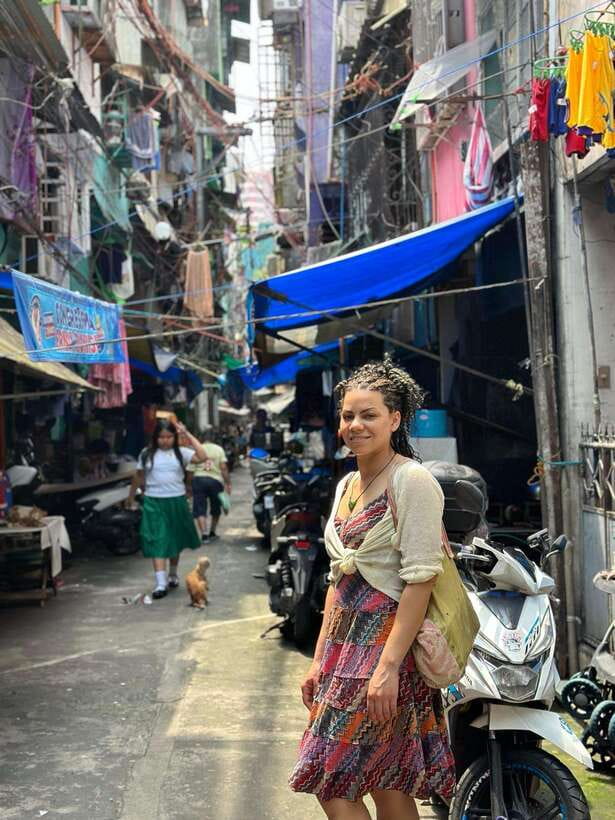
A wet market stop is one of the best reasons to choose this specific style of tour. It’s not just visual, it’s practical. You see how people stock up for meals, how stalls are organized, and how shopping works when you’re close to the source.
From the feedback, the wet market moment is described as an incredible visual experience. That fits the reality: these markets move fast, they’re colorful in their own way, and they show you the “front line” of everyday food supply.
How this helps you understand the neighborhood
Markets are the fastest way to learn what matters. You notice:
- what people buy frequently
- how sellers present their goods
- how the flow of foot traffic works
And because your guide is right there, you’re not just looking. You’re learning what the routines mean.
Local transport rides: tricycle and jeepney for real-life Manila
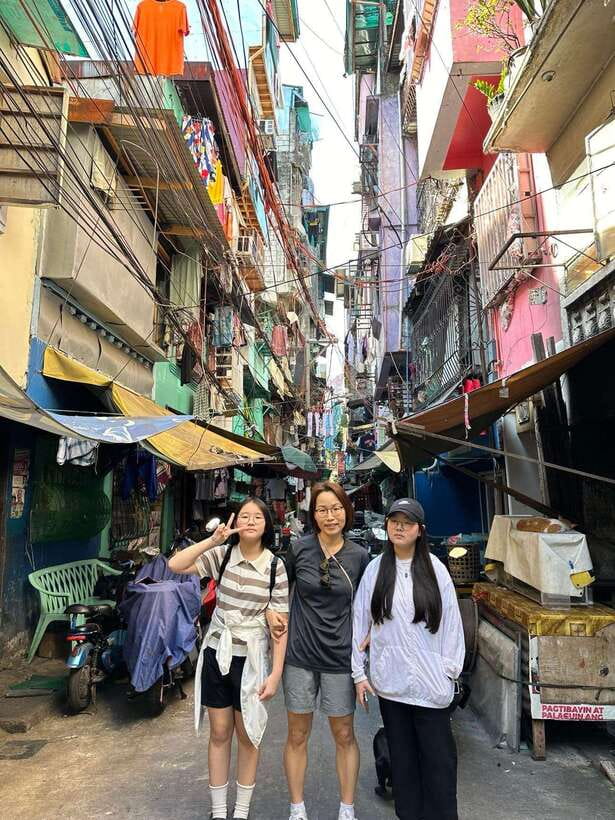
This tour includes tricycle and jeepney rides. For many visitors, that’s not the “fun” part only. It’s the context part.
Jeepney ride
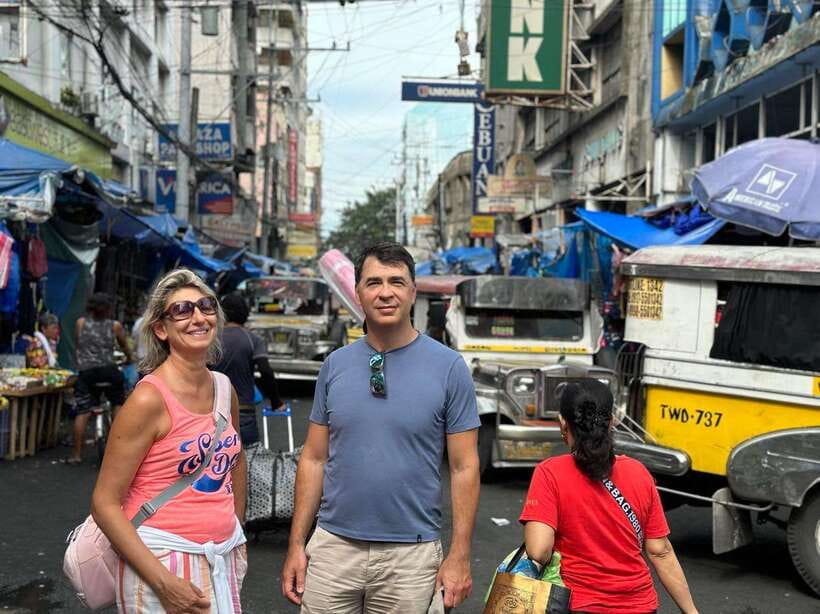
Jeepneys are part of Manila’s identity, and the route helps explain why they’re useful: they connect neighborhoods to markets and transit hubs on tight schedules and tight streets. One thing people clearly enjoy is the sheer energy of the ride.
Tricycle ride
The tricycle is the complementary piece. When streets get narrower, this is the local solution. The ride also helps you transition between areas without having to figure out every turn yourself.
I like that this is included because it reduces friction. In just two hours, you don’t want to spend time hunting for transport or waiting to be able to see the next area.
The hidden market segment and why it feels different

One of the tour highlights that shows up in feedback is a stop at a more hidden market where people sell fruits, groceries, and local food. It’s described as a “hidden market” experience, and the structure of the day makes sense: you start with walking and neighborhood context, then you add another layer with a market you might not find on your own.
This segment is valuable because it gives you variety. You’re not only seeing one type of market setup. You’re seeing how food and daily items circulate across different kinds of local vendors.
Old town, old Manila feel, and the pull of Chinatown
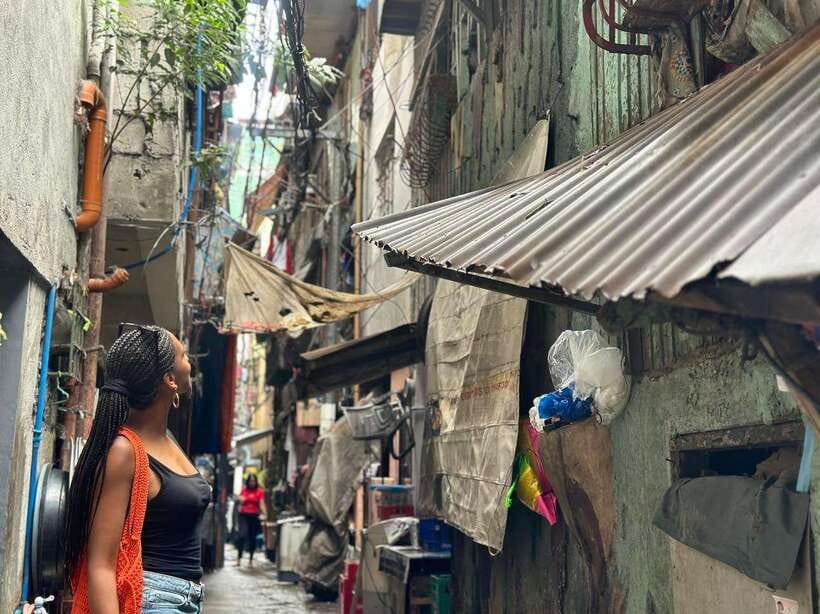
After the neighborhood streets and markets, the tour shifts toward old Manila-style areas, including places like Chinatown and historic market zones such as Divisoria. This contrast is smart. It helps you see Manila as a city of layers: commerce, community, migration, and everyday routine all stacked together.
Chinatown food moments
Food shows up strongly in people’s notes. Specific treats mentioned include egg tarts, and guides are praised for taking participants to tasty, local spots rather than generic tourist meals.
If food isn’t your main goal, you can still enjoy Chinatown for the atmosphere, street life, and how historic trading communities shape what you see. But if you do like snacking, come hungry in the best way.
Meet locals, not just see streets
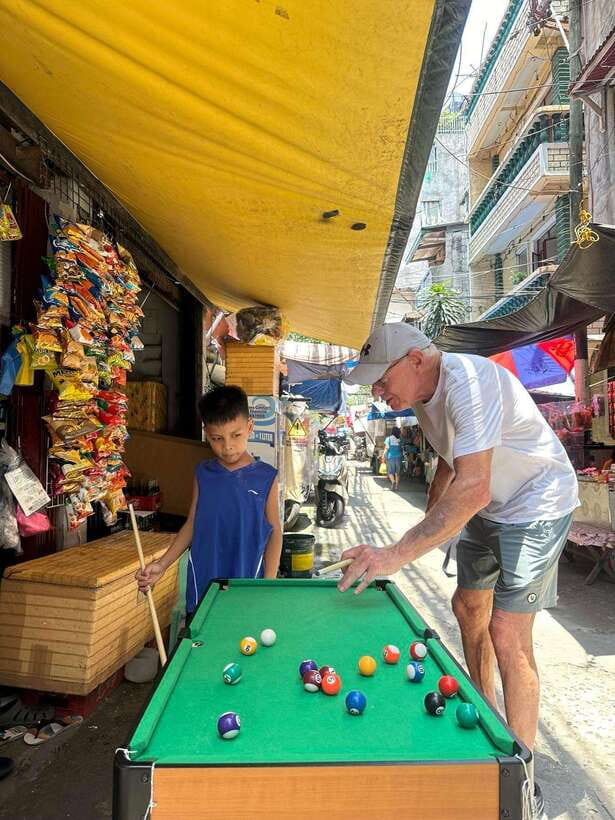
A standout theme is the emphasis on meeting locals. Guides are repeatedly praised for introductions and for making conversation feel natural. That’s not automatic in a slum tour. It depends on trust.
Some participants also mention affectionate moments with children, including chatting and friendly interactions. That’s one reason this experience can feel emotionally memorable, but also one reason you should be mindful with attention. Keep it respectful, keep it brief, and let your guide handle the flow.
Also, one concern that comes up is whether slum tours could turn voyeuristic. The response in the feedback is that guides handle it educationally, using explanations rather than turning poverty into entertainment. That’s exactly what you should look for in this type of tour: learning first, filming second, and treating people like people always.
Guides who shape the experience: Venus and Floyd
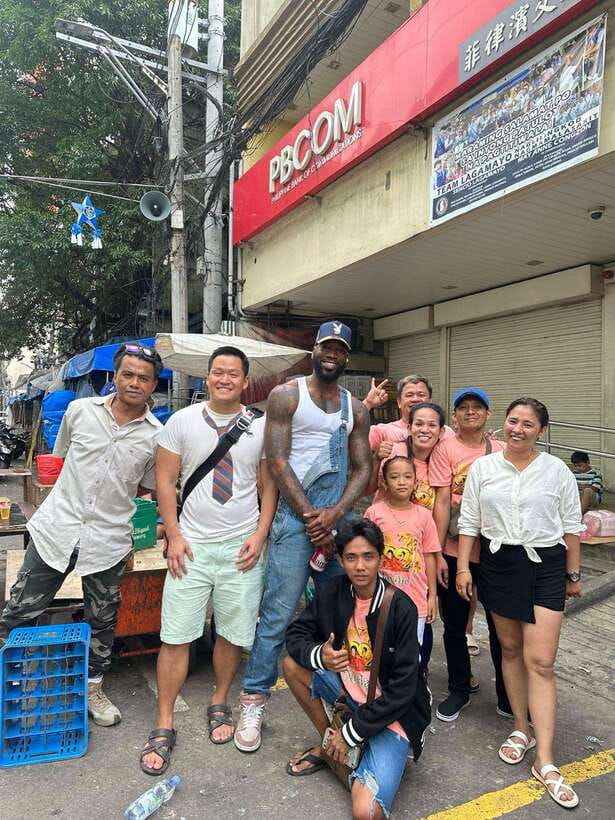
Two names come up again and again: Venus and Floyd.
- Venus is described as kind, energetic, and very welcoming, with a friend-like feel while still being professional. People mention thoughtful extra food stops and tastings and an ability to explain what they’re seeing in a way that clicks.
- Floyd is described as a serious street veteran with strong ties to the area, and his approach is highlighted as educational rather than intrusive. People also note that he takes extra time and helps you feel safe through local connections.
Even if you don’t know these names now, it’s worth booking because the guide quality is a major part of why the ratings are so high.
Price and value: what $65 buys you
At $65 per person for 2 hours, this is priced like an activity built around real labor: a live guide plus transportation. The tour also stays small, limited to 10 participants, which keeps it from feeling rushed or crowded.
Here’s why I think it’s good value:
- You get guided context in areas that are hard to interpret alone.
- You don’t have to solve transport logistics, since tricycle and jeepney rides are included.
- You’re not just walking. You’re seeing wet market life, local neighborhood routines, and a historic commerce area like Chinatown.
Is it expensive for a casual stroll? Sure. But it’s not a casual stroll. It’s a structured, guided way to understand a part of Manila most visitors skip.
Practical tips so you enjoy it (and do right by the community)
A few things will help you get the most out of the day while staying respectful:
- Wear shoes you can walk in. Alleyways and market areas are not built for sandals.
- Keep your pace patient. If you rush, you’ll miss the explanations that make the tour worthwhile.
- Bring small bills for your own snacks if you want extra tastings, but don’t pressure anyone. Let your guide guide.
- If you’re tempted to take photos, wait. Ask your guide what’s appropriate. In this kind of setting, timing and consent matter.
- Expect emotions. Even when it’s done well, it’s still a slum and wet market environment, which means it can be intense.
Should you book this tour?
Book it if you want a short, high-impact experience that connects Manila’s street life with real people and real food. This is especially worth it if you care about understanding daily routines, how locals shop and travel, and how communities survive and support each other.
Skip it if you want only “easy sights,” low emotion, and minimal intensity. Also skip if you’re not comfortable with close-up market life and residential streets.
If you book, choose it for the right reasons: to learn, to ask, to be respectful, and to let the guide lead the way through places you might otherwise misunderstand.
FAQ
Where do we meet the guide?
Meet at Tutuban Center Mall, near the Bonifacio Monument, by the Lawson Convenience Store.
How long is the experience?
It runs for about 2 hours.
What transportation is included?
The tour includes a tricycle ride and a jeepney ride.
Is there an English-speaking guide?
Yes, the live tour guide is listed as English.
How large is the group?
It’s a small group, limited to 10 participants.
What if I need to change my plans?
You can cancel up to 24 hours in advance for a full refund. There’s also reserve now and pay later, so you can book without paying immediately.
Newest reviews around Manila
- Pagsanjans Natural Wonders and Tagaytay Beauty, Full Day Journey★ 5.0 · 3 reviews
- Authentic Manila Chinatown Food Tour Exploration★ 5.0 · 3 reviews
- Private Departure Airport Transfer in Manila Bay and Makati Area★ 5.0 · 3 reviews
- Try find your better than us ! Airport transfer service in Manila HTL-APT (MNL)★ 4.0 · 4 reviews
- Banaue Rice Terraces Escape: 3 Days, 2 Nights with Transfers★ 5.0 · 4 reviews
- indigenous Forest experience Manila 2023★ 5.0 · 4 reviews
- Cruise Shore Excursion of Taal Volcano with Lunch★ 4.5 · 4 reviews
- Nagpatong Rock Day hike + Tungtong Falls(with transfers**) 2023★ 5.0 · 4 reviews
Markets, compared.
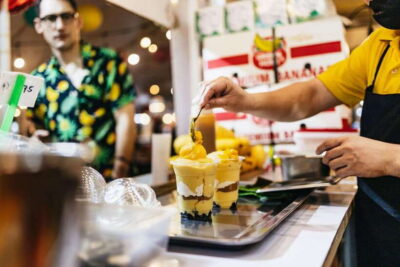
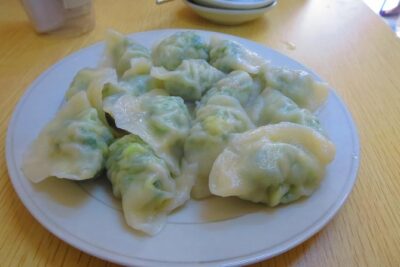
Manila’s Culinary Expedition: The Ultimate Food and Market Tour
Read our review →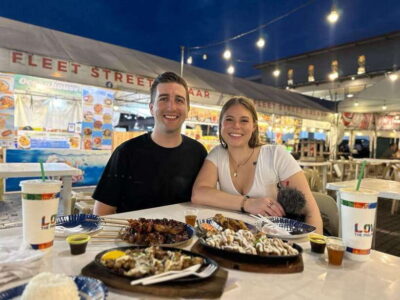

Private Market Tour and Filipino Cooking Class in Manila with Isi
Read our review →
Tagaytay Adventure: Volcano Views, Countryside, Market & Cruise!
Read our review →
Browse the lists this tour appears in