
Reviewed · MANILA TOURS
Bataan Death March memorial tour
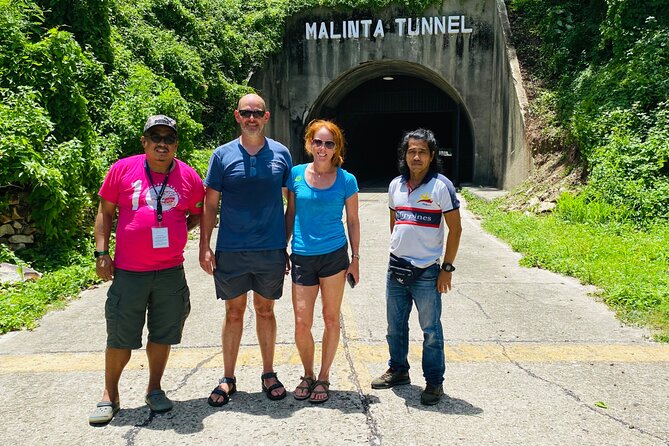
This is the kind of day trip that sticks with you, because you are not just looking at plaques. You are visiting memorial sites tied to the Bataan Death March, then hearing how the story lands inside real families. On many runs, the guide, including JB Quemado, brings a personal lens, sometimes rooted in a grandfather who lived through the POW experience.
I especially like two things about this tour: the private, flexible format (you can tailor it to your needs), and the way the day is built around the story in order, from valor and battle sites to POW concentration sites. One drawback to keep in mind is that this is a long day with plenty of road time, so if you hate being in a car, you may feel it.
Key things to know before you go
- Private group up to 4 means you are not sharing the car with strangers
- 7:00 am start and about 10 hours overall, expect a full-day schedule
- Mount Samat shrine includes an admission ticket, but it is closed on Mondays
- Bamban Museum of History is privately run and curator-led, and admission is free
- Guides can bring family stories from World War II that make the sites feel human
- Good weather matters, since the experience can be canceled due to conditions
Why the Bataan Death March memorial sites hit harder with a guide
If you care about history, you will enjoy this day trip. But if you care about meaning, you will probably feel it even more. The tour covers several World War II stops connected to the Bataan campaign and the march that followed, and the guide connects those locations into a single human story.
The big difference versus self-guided travel is how the day becomes something you can hold in your head. A guide can point out what to look for at each site, explain why it matters, and answer your questions in plain language. I also like that the experience often includes personal details shared by the guide, including family connections to the march and POW experience. That kind of framing changes your pace. You slow down without realizing it.
You are also choosing a respectful topic. This is not about tourism thrills. This is about paying attention, learning carefully, and honoring what happened.
More Corregidor and Bataan memorial days:
- Full-Day Tour in Corregidor and Bataan War Memorial from Manila
★ 4.5 · 17 reviews - Corregidor daytour Via Manila to Bataan
★ 5.0 · 5 reviews - 2 Days Private Bataan Tour with Corregidor
★ 5.0 · 5 reviews
Price and logistics: $350 per group, pickup included, and a full-day run
Let’s talk value, because $350 per group (up to 4) can sound either high or fair depending on your travel style. Here, it can be fair because you get a private setup plus transfers from hotels in the Manila area, and you are spending most of the day on route between multiple sites.
A few practical points that affect your comfort:
- The tour runs about 10 hours, starting at 7:00 am. That means early wake-up, even on vacation.
- Reviews and on-the-day experience both point to significant driving time. It is worth it, but plan on spending a big chunk of the day seated.
- It is a private tour/activity, so only your group participates. That can be a plus if you want a quieter setting for emotional topics.
- You get a mobile ticket and confirmation at booking.
- Service animals are allowed, and most travelers can participate.
If you are traveling with kids or older family members, the private format helps. You can ask the guide to keep things paced. But you still should go in knowing it is a long day.
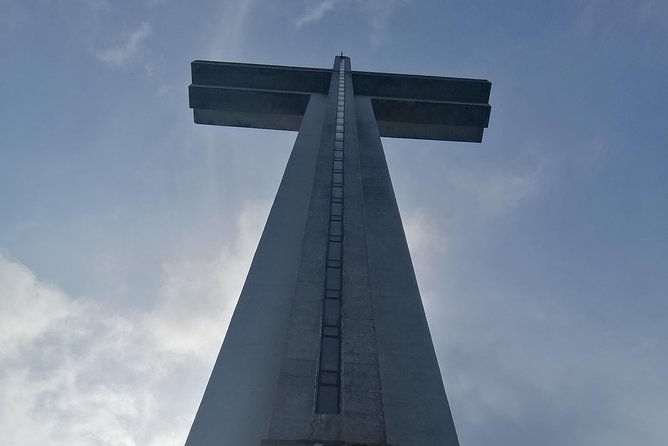
Mount Samat National Shrine (Dambana ng Kagitingan): the “valor” start and Monday closure
Most day tours like this focus on the tragedy. This one begins with a place built around commemoration and valor: Mount Samat National Shrine, Dambana ng Kagitingan. You will see it as a formal memorial site that frames the war story in terms of courage and sacrifice.
This stop also includes admission, and it is listed as 1 hour. That hour is usually enough time to orient yourself, take in the viewpoint, and understand what the shrine represents before you head toward more direct POW-related locations.
Two cautions to plan around:
- The shrine is closed on Mondays. If your trip window includes Monday, you need to confirm whether your date still works.
- You will start the day early. If you are prone to morning grogginess, bring coffee patience and a bottle of water.
Bataan World War II Museum: surrender context in a focused stop
Next up is the Bataan World War II Museum, described as the surrender site of USAFFE forces in 1942. Even if you think you already know the basics, this stop tends to reset your understanding because it is tied to a specific turning point.
This is a shorter stop, about 30 minutes, with admission included. That short duration is a clue: you are not doing museum browsing for hours. You are using the museum as an anchor point, a place to connect the names, dates, and circumstances to what you will see later.
What I like about how this stop is handled in the flow of the day is that it avoids turning the tour into a random museum hop. You get enough to orient yourself, then move on while the story stays fresh.
If you prefer a deeper museum experience, you might want to ask whether you can spend a bit longer here, within the overall schedule.
A few other Manila trips to line up
- Intramuros, Manila: Historical Bamboo Bike Tour
★ 4.8 · 583 reviews - Experience Intramuros with Bamboo Bicycle – Ecotours
★ 5.0 · 508 reviews - Manila: Intramuros, Chinatown, and Old Manila Half-Day Tour
★ 4.8 · 475 reviews - Manila: Old & New 4-Hour City Tour
★ 4.5 · 458 reviews
Capas National Shrine (Camp O Donnell): when the POW story turns concrete
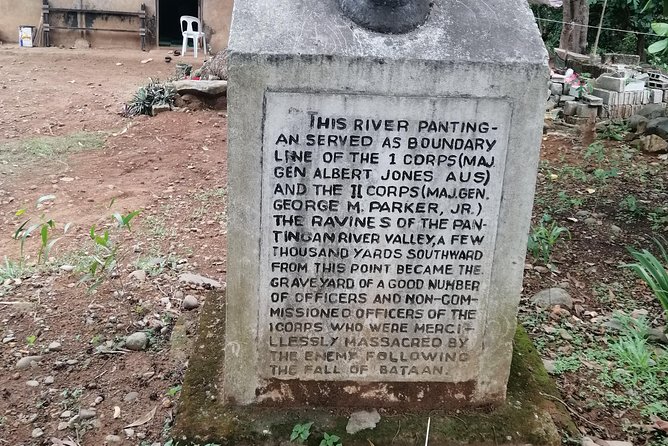
Then you reach Capas National Shrine, formerly Camp O Donnell, where Filipino POWs were held in 1942. This is one of the stops that makes the day feel heavy in a quiet, direct way.
It is also a shorter stop, around 30 minutes, with admission included. That duration can feel brief for a subject this intense, but the guide’s job here is to point you to what to notice, then explain what it meant for the people who endured it.
This is where a guide really matters. A good guide helps you avoid “history as facts only.” Instead, it becomes history with names, decisions, and consequences attached. If your guide includes family stories connected to the march or POW experience, this stop can hit hardest because it connects the physical site to human survival.
Bring a respectful mindset and give yourself permission to pause. You do not need to rush through this part to “get it done.”
Bamban Museum of History: a privately run, curator-led experience with free admission
The last museum stop is Bamban Museum of History. This one is described as privately run and carefully arranged, with a curator who shares stories about what happened in the places and personalities tied to the area. Admission here is free, and the stop is about 1 hour.
I like free admission for two reasons. First, it removes cost pressure during a heavy day. Second, it signals that the museum is more about people sharing meaning than about squeezing ticket sales.
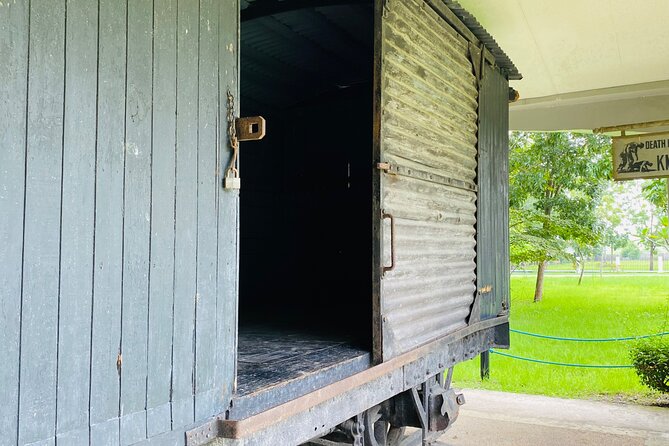
What makes this stop stand out is the curator-style storytelling. You are not just reading displays. You are getting context. One detail that stays with me from this kind of visit is how artifacts can make the abstract feel real, including items like a replica cart used to transport American WWII prisoners during the march. Even if you have seen photos before, an object in person can be different in your mind.
You should also note that this stop is longer than the museum-before-it in terms of time on site. Plan for a full hour of listening and looking.
Guides who connect family memory to the sites on your route
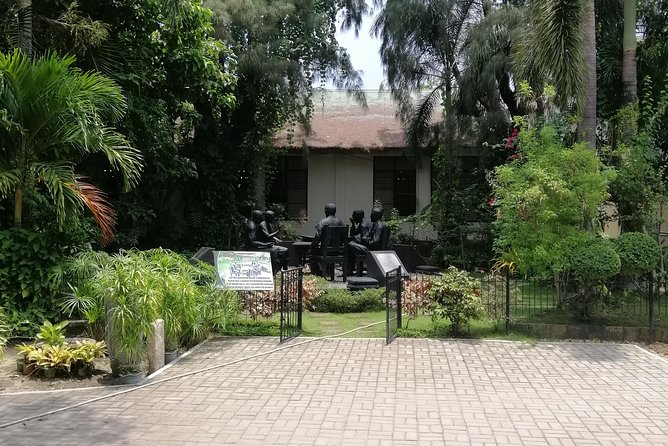
The guides can make or break a memorial tour, and this one has a strong track record. I saw names come up like JB Quemado, and also Ferdinand Contereras, both praised for being engaging and for sharing personal connections to the Bataan Death March story.
A key pattern is that the best guides do more than summarize dates. They explain why particular locations matter, and they often share a family lens on what survival, loss, and memory look like across generations. One guide experience described an approach where the story is told through the lens of a grandfather who was a survivor. That framing turns a map into something personal.
Also, some guides are highly communicative in the car, answering questions and adjusting pacing to your needs. If you want a tour that feels like a conversation, this setup can deliver.
Still, do not assume every run will feel identical. If you have specific questions, ask them early. In a private tour, you can steer the conversation.
What to expect from the route: time on the road, plus smart pacing
This is a big geography day. You are moving between sites that are not clustered right next to each other, and that creates a lot of drive time.
Here is how to make that work for you:
- Start the day well-rested. The 7:00 am start is not negotiable.
- Use the drive time to review what you learned in the last stop, then ask the guide to connect it to the next location.
- Wear comfortable clothes and shoes. Even though the museum stops are not long, you still do walking and standing.
There is also one “expect the real world” note. One part of the area can be impacted by construction, and a stop like a San Fernando station may not be included if it is not available. The practical takeaway is to confirm your itinerary details ahead of time, especially if you are pairing this with other plans.
In short, do not book this on a day when you plan to do something else later that requires energy.
How the stops fit together as one story (not random sightseeing)
A strong memorial tour helps you see connections. This day is designed around that idea:
- You start with a shrine honoring valor and sacrifice.
- Then you move to a museum tied to a surrender moment in 1942.
- After that, you go to a POW camp site, Camp O Donnell, where the march story becomes imprisonment reality.
- Finally, you end at Bamban, where the curator-led storytelling can tie together local details, artifacts, and personal accounts.
That flow matters because it builds your understanding in steps. You do not jump straight into the hardest site without context, and you also do not end the day with only broad commemoration. You end with a museum experience that gives more texture.
If you are the type who likes to take notes, this is a good day for it. If you are the type who prefers to just listen, you will still get value, because the guide-led explanations do much of the heavy lifting.
Who should book this tour, and who might want to adjust expectations
This is a great fit if you:
- Want a private, guided day focused on World War II locations tied to the Bataan Death March
- Enjoy military history and want context at each site, not just a handout
- Like guides who include personal family storytelling, like JB Quemado’s approach or Ferdinand Contereras’ memorial narratives
You might adjust your expectations if you:
- Hate long driving days. This is not a quick half-day.
- Want a deeply extended museum stay at every stop. The schedule is structured, with shorter time windows at some locations.
- Need a very specific set of extra stops beyond the core memorial itinerary. If you have must-see add-ons, ask ahead so you do not end up disappointed.
Should you book the Bataan Death March memorial tour?
Yes, if you want a respectful, story-forward day in the Manila area that focuses on the Bataan Death March through multiple key memorial stops. I think the private group format makes a difference, especially for the emotional weight of the topic. The best part is the human connection the guides bring, often through family memories tied to the march and POW experience.
Book it with two conditions in mind: plan for a long day with lots of driving, and double-check your date if it is a Monday, since Mount Samat shrine is closed then. If you show up ready to listen and ask questions, this tour delivers real learning, not just sightseeing.
FAQ
What is the group size and price for the Bataan Death March memorial tour?
The tour costs $350 per group, for up to 4 people. It is a private tour/activity, so only your group participates.
Where does pickup happen and what time does the tour start?
Hotel transfers are included from the Manila area. The start time is 7:00 am.
How long does the tour last?
The duration is listed as about 10 hours.
What stops are included during the tour?
The tour includes Mount Samat National Shrine (Dambana ng Kagitingan), Bataan World War II Museum, Capas National Shrine (Camp O Donnell), and Bamban Museum of History.
Are admission tickets included?
Admission is included for Mount Samat National Shrine, Bataan World War II Museum, and Capas National Shrine. Bamban Museum of History is free for admission.
Is there a day-of-week restriction to consider?
Mount Samat National Shrine is closed on Mondays, so you should avoid booking that day if this stop is important to your plans.
What is the cancellation and weather situation?
You can cancel for free up to 24 hours in advance for a full refund. The experience requires good weather, and if it is canceled due to poor weather, you will be offered a different date or a full refund.
Newest reviews around Manila
- TAGAYTAY DAY TOUR FROM MANILA★ 5.0 · 3 reviews
- 3 Days Private Tour in Banaue Ifugao visiting Batad Rice Terraces★ 3.5 · 3 reviews
- 4 Day Banaue Ifugao Rice Villages Private tour Trekking★ 4.5 · 3 reviews
- Bites and Sights: Tagaytay Food and Nature Excursion from Manila★ 4.0 · 3 reviews
- Embark on a 7-Day Banaue-Sagada Adventure of a Lifetime★ 5.0 · 3 reviews
- Philippines Intro 3 days 2 nights Tour Best of Manila and Beyond★ 5.0 · 3 reviews
- Tagaytay: Taal Volcano Tagaytay Private Tour w/Jeepney Ride★ 5.0 · 3 reviews
- Following the Footsteps of Anthony Bourdain★ 5.0 · 3 reviews
Manila Tours, compared.

Intramuros, Manila: Historical Bamboo Bike Tour
Read our review →
Experience Intramuros with Bamboo Bicycle – Ecotours
Read our review →
Intramuros, Chinatown, and Old Manila Half-Day Tour
Read our review →

Manila Food Tour: Introduction to Philippine Street Food
Read our review →
Spectacular Manila to Tagaytay: Full-Day Sightseeing Tour
Read our review →
Discover Tagaytay’s Countryside: Half-Day Sightseeing Tour
Read our review →
Browse the lists this tour appears in